



Yamashita Surrender Day
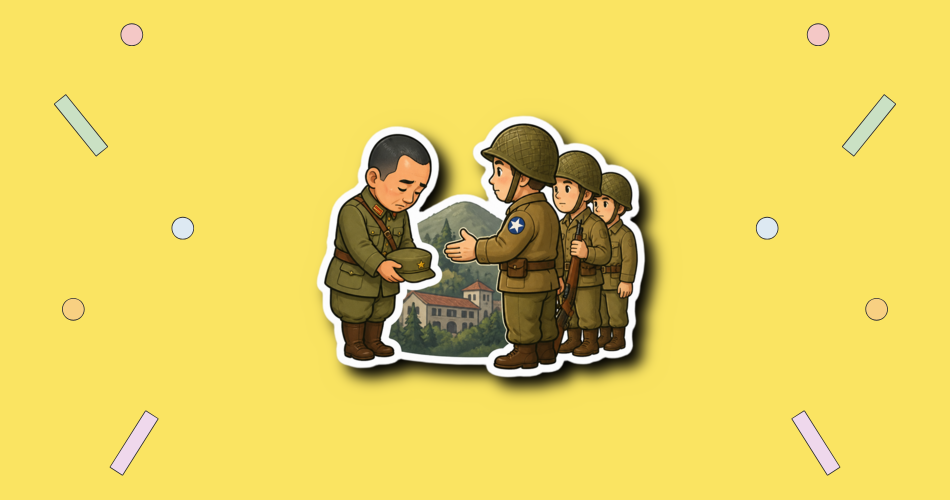
Yamashita Surrender Day is observed annually on September 3. In 2027, this date falls on a Friday. This solemn day commemorates the formal surrender of Japanese General Tomoyuki Yamashita to Allied forces in 1945, an event that effectively ended World War II in the Philippines and marked a pivotal moment in the country's liberation.
Contents
HT Meter
Does this day matter to you?
Tap the meter if it does, and say whether you will be celebrating — that is what opens the wishes from everybody else who will be.
This day matters to me
0 Be the first to say so
Just getting started
0 Let others know you’re in.
Wishes, greetings and stories
Join the celebration to share a wish, a greeting, or how this day goes in your house.
These are kept for the people celebrating this day. Say you will be celebrating to read them and to add your own.
You have already shared something here recently.
Nothing here yet. Yours would be the first.
History of Yamashita Surrender Day
On September 3, 1945, Japanese General Tomoyuki Yamashita surrendered to Allied forces in Baguio City, Philippines. Yamashita, known as the "Tiger of Malaya" for his swift conquest of Singapore in 1942, had commanded Japanese forces in the Philippines during the final brutal year of the war. His surrender came just days after Japan's formal capitulation on September 2 aboard the USS Missouri, but it held special significance for the Philippines, where fierce fighting had devastated the archipelago and caused immense suffering among civilians. The surrender ceremony took place at the residence of the American High Commissioner in Camp John Hay, with Yamashita and his staff handing over their sidearms and samurai swords to U.S. military officials.
President Rodrigo Duterte declared September 3 of every year a special working public holiday in the whole Philippines in commemoration of the surrender of General Yamashita. This official recognition ensures that the day remains a time for reflection on the sacrifices made during the war and the eventual restoration of peace. The holiday serves as a reminder of the end of Japanese occupation and the beginning of the Philippines' reconstruction as an independent nation, honoring both the Allied forces who fought for liberation and the countless Filipino civilians who endured years of hardship.
Why is Yamashita Surrender Day important?
Yamashita Surrender Day marks the definitive end of World War II in the Philippines, a conflict that claimed the lives of over a million Filipinos and left the country in ruins. The surrender of General Yamashita symbolized the collapse of Japanese military power in the region and the restoration of Allied control, paving the way for the Philippines to rebuild its society and economy. For many Filipinos, this day represents a turning point from occupation to freedom, making it a deeply meaningful observance that connects present generations to their nation's wartime history.

VJ Day
The holiday also underscores the importance of remembering historical events to prevent future conflicts. By commemorating the surrender, the Philippines honors the memory of those who fought and died, while also promoting a message of peace and reconciliation. It serves as an educational opportunity for younger generations to learn about the war's impact and the value of sovereignty.
- The surrender ended over three years of Japanese occupation in the Philippines.
- It allowed for the repatriation of Allied prisoners of war and civilian internees.
- The event facilitated the prosecution of war crimes, including Yamashita's own trial.
- It marked the beginning of the Philippines' post-war reconstruction and independence.
- The holiday reinforces national unity and remembrance of shared sacrifice.
How to Celebrate Yamashita Surrender Day
Make it yours
How would you like to spend Yamashita Surrender Day?
Tick what fits you, and we will put together ideas made for this day — not for any day.
Observing Yamashita Surrender Day involves solemn reflection and educational activities that honor the memory of those affected by World War II. Many Filipinos visit war memorials, museums, and cemeteries to pay their respects to the fallen. Schools and community organizations often hold commemorative programs featuring historical talks, exhibits, and moments of silence. It is also a time for families to share stories of the war passed down through generations, ensuring that the lessons of history are not forgotten.
For those unable to attend public events, observing the day can include reading about the Philippine campaign of World War II, watching documentaries, or participating in online discussions about the war's legacy. Some choose to volunteer with veterans' organizations or donate to charities that support war survivors. The day is a working holiday, so many people incorporate remembrance into their daily routines, perhaps by pausing for a moment of silence at the time of the surrender or by displaying the Philippine flag.
- Visit the Camp John Hay historical site in Baguio City where the surrender took place.
- Attend a commemorative ceremony or wreath-laying event at a local war memorial.
- Read firsthand accounts or books about the Battle of the Philippines and Yamashita's surrender.
- Share historical photos or stories on social media using respectful hashtags.
- Support organizations that preserve World War II history and assist veterans.
Yamashita Surrender Day Dates
| Year | Date | Day of the week |
|---|---|---|
| 2026 | September 3 | Thursday |
| 2027 next | September 3 | Friday |
| 2028 | September 3 | Sunday |
| 2029 | September 3 | Monday |
| 2030 | September 3 | Tuesday |
Philippine-American War Memorial Day
Thank you for your feedback!
Fuel the next post!
Sorry to hear you didn't enjoy this article...
Guam Liberation Day
Help us make it better!