

Za’atar Day
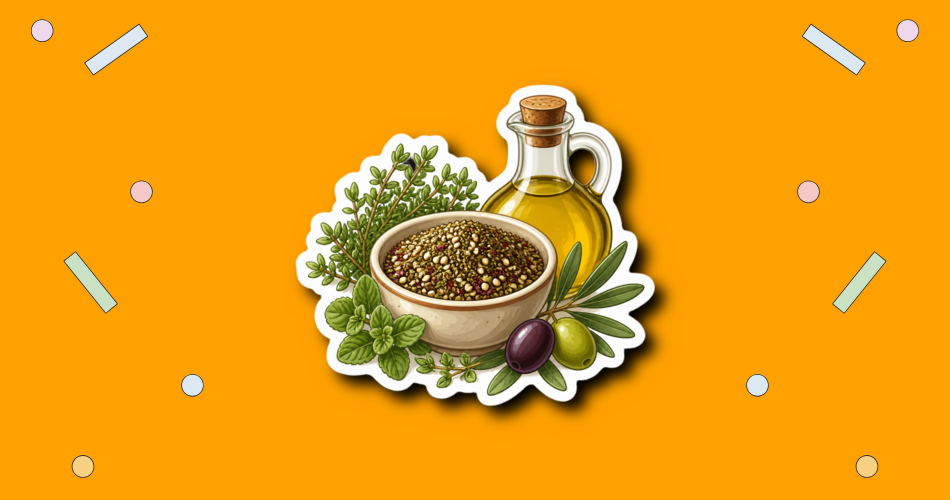
Za’atar Day is celebrated annually on September 23. In 2027, this date falls on a Thursday. This day honors the beloved Middle Eastern herb blend that has been a staple in kitchens across the Levant and North Africa for centuries. Za’atar is a versatile mixture of dried herbs, toasted sesame seeds, sumac, and salt, used in countless dishes from flatbreads to roasted vegetables.
Contents
HT Meter
Does this day matter to you?
Tap the meter if it does, and say whether you will be celebrating — that is what opens the wishes from everybody else who will be.
This day matters to me
0 Be the first to say so
Just getting started
0 Let others know you’re in.
Wishes, greetings and stories
Join the celebration to share a wish, a greeting, or how this day goes in your house.
These are kept for the people celebrating this day. Say you will be celebrating to read them and to add your own.
You have already shared something here recently.
Nothing here yet. Yours would be the first.
History of Za’atar Day
The exact origins of Za’atar Day are not well documented, but the celebration appears to have emerged from food enthusiasts and cultural organizations seeking to highlight this iconic spice blend. The day has gained traction through social media campaigns and community events, with people sharing their favorite za’atar recipes and traditions online. The holiday provides an opportunity to explore the rich culinary heritage of the Middle East.
Za’atar itself has a history stretching back thousands of years. The wild herb Origanum syriacum grows throughout the mountains of Palestine, Jordan, Syria, and Lebanon. Traditional preparation involves drying the leaves under the midday sun, then grinding them with sesame seeds and sumac. This ancient practice continues today in households across the region, where families often pass down their own unique blend recipes.
Why is Za’atar Day important?
Za’atar Day celebrates a spice blend that represents the heart of Levantine cuisine. The mixture’s tangy, nutty, and herbaceous flavors make it incredibly versatile. It can transform simple ingredients like bread and olive oil into a memorable meal. The day encourages people to appreciate traditional foodways and the cultural significance of shared meals.

International Falafel Day
This observance also highlights the importance of preserving culinary traditions. As global interest in Middle Eastern food grows, Za’atar Day helps ensure that authentic recipes and preparation methods continue to be passed down. The holiday fosters cross-cultural understanding through the universal language of food.
- Za’atar is a staple in Palestinian, Lebanese, Syrian, and Jordanian households
- The blend typically includes dried thyme, sumac, sesame seeds, and salt
- It is commonly eaten with bread dipped in olive oil
- Za’atar can be sprinkled over labneh, eggs, roasted vegetables, and grilled meats
- Making your own blend allows for customization with ingredients like marjoram or oregano
How to Celebrate Za’atar Day
Make it yours
How would you like to spend Za’atar Day?
Tick what fits you, and we will put together ideas made for this day — not for any day.
Celebrating Za’atar Day is simple and delicious. Start by making your own za’atar blend at home using dried thyme, sumac, toasted sesame seeds, and sea salt. Experiment with the ratios to find your perfect balance. Use your homemade blend to create traditional manoushe flatbread or simply dip warm pita into olive oil and then za’atar.
Share your za’atar creations on social media using the hashtag #ZaatarDay. Try incorporating za’atar into new dishes like roasted vegetables, salad dressings, or sprinkled over popcorn. Visit a Middle Eastern grocery store to explore different regional varieties. Host a tasting party where friends can sample za’atar with various foods and compare homemade versus store-bought versions.
Za’atar Day Dates
| Year | Date | Day of the week |
|---|---|---|
| 2026 | September 23 | Wednesday |
| 2027 next | September 23 | Thursday |
| 2028 | September 23 | Saturday |
| 2029 | September 23 | Sunday |
| 2030 | September 23 | Monday |

Sorry to hear you didn't enjoy this article...

International Hummus Day
Help us make it better!