



Zero Tasking Day
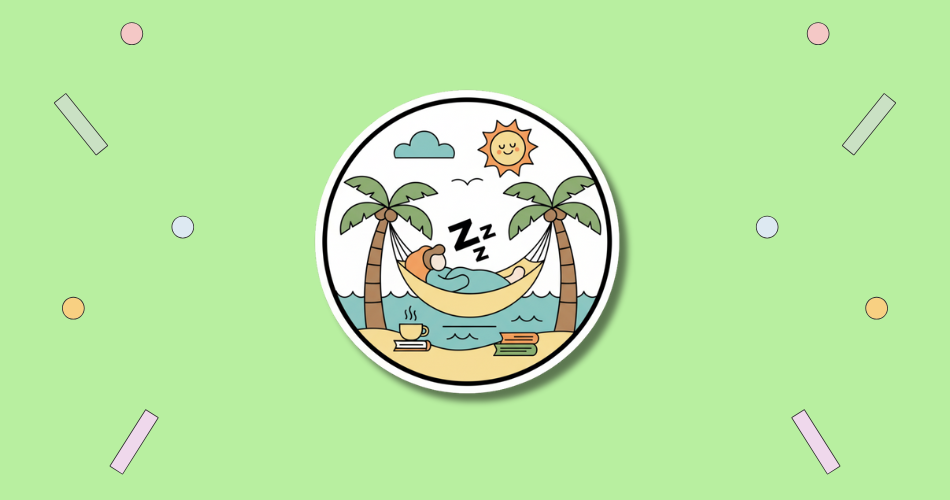
The Zero Tasking Day, observed on the first Sunday in November, invites people to spend the extra hour gained when clocks fall back from daylight saving time simply doing nothing. In 2026, this date falls on November 1.
Contents
HT Meter
Does this day matter to you?
Say that it does, and say whether you will be marking it. Both are anonymous to nobody but kind to everybody.
This day matters to me
0 Be the first to say so
Quietly remembered
0 Nobody has said so yet
Notes of remembrance
Join those marking this day to share a word, a memory, or the reason it matters to you.
These notes are kept for the people marking this day. Say you will be marking it to read them and to leave your own.
You have already shared a note here recently.
No notes yet. Yours would be the first.
History of Zero Tasking Day
The idea of Zero Tasking Day emerged in the early 2000s as a response to the growing culture of multitasking and busyness. The writer Nancy Christie is often credited with championing the idea: instead of using the “extra” hour to tackle more tasks, she suggested using it to rest, reflect, and recharge.
Because the day aligns with the return to standard time in many places, it has become a symbolic pause—an invitation to step away from productivity pressures and embrace the value of doing very little if anything at all.
Why is Zero Tasking Day important?
In a world where doing more is often equated with being more valuable, Zero Tasking Day challenges that narrative by reminding us that “less” can sometimes be exactly what we need. It underscores the idea that rest is not wasted, but essential—to creativity, mental clarity, emotional balance, and overall wellbeing.
By dedicating just one day to stepping away from the endless to-do lists, the holiday encourages us to reflect on how we live, what we value, and how we might build in more rest even beyond this one hour.
- It acknowledges that busyness is not the only measure of worth.
- It highlights the psychological and physical benefits of rest and downtime.
- It asks us to reconsider how we use time when we’re not “on task”.
- It supports mental wellbeing by validating a pause in productivity.
- It encourages learning how to “be” rather than always “do”.
How to Observe Zero Tasking Day
Make it yours
How would you like to spend Zero Tasking Day?
Tick what fits you, and we will put together ideas made for this day — not for any day.

Inbox Zero Day
Observing Zero Tasking Day means resisting the urge to fill the extra hour with chores, errands, or checking off items from a list—and instead allowing yourself to simply be present. Relaxation, reflection, gentle play, or quiet stillness all count.
You might treat the hour as a mini-retreat: a walk without a destination, sitting with a warm drink, gazing at the sky, listening to a piece of music, or simply doing nothing at all. The aim is to feel restored, rather than productive.
- Sit quietly without looking at a phone or screen.
- Take a leisurely walk unplanned and unhurried.
- Read a chapter of a book just for pleasure.
- Lie down and let your thoughts drift without agenda.
- Connect with someone casually—no tasks, just conversation.
Zero Tasking Day Dates Table
| Year | Date | Day |
|---|---|---|
| 2026 | November 1 | Sunday |
| 2027 | November 7 | Sunday |
| 2028 | November 5 | Sunday |
| 2029 | November 4 | Sunday |
| 2030 | November 3 | Sunday |
Sorry to hear you didn't enjoy this article...
Help us make it better!