




Daylight Saving Time Starts

Daylight Saving Time Starts on the second Sunday in March. In 2026, it falls on March 8. This event marks the beginning of the period when clocks are advanced by one hour to extend daylight into the evening hours during the warmer months. While the shift results in the loss of one hour of sleep on a Sunday morning, it provides an extra hour of natural light at the end of the workday, encouraging outdoor activity and potentially reducing energy consumption for household lighting.
Contents
HT Meter
Does this day matter to you?
Say that it does, and say whether you will be marking it. Both are anonymous to nobody but kind to everybody.
This day matters to me
0 Be the first to say so
Quietly remembered
0 Nobody has said so yet
Notes of remembrance
Join those marking this day to share a word, a memory, or the reason it matters to you.
These notes are kept for the people marking this day. Say you will be marking it to read them and to leave your own.
You have already shared a note here recently.
No notes yet. Yours would be the first.
History of Daylight Saving Time Starts
The concept of shifting the clock to better utilize daylight was first proposed by Benjamin Franklin in 1784, though he suggested it as a satirical way to save on candle wax. The modern version of the system was more seriously advocated by New Zealand entomologist George Hudson in 1895 and later by British builder William Willett. The first country to officially implement the change was Germany in 1916, during World War I, as a method to conserve fuel and electricity for the war effort.
In the United States, the practice was formally established through the Standard Time Act of 1918. However, it remained inconsistent across various states until the Uniform Time Act of 1966 was passed to create a synchronized schedule for the entire nation. The Energy Policy Act of 2005 eventually extended the duration of Daylight Saving Time, moving the start date from April to the second Sunday in March. Today, while most of the U.S. participates, Arizona and Hawaii remain on Standard Time year-round, citing their unique climates and energy needs.
Why is Daylight Saving Time Starts important?
The primary importance of starting Daylight Saving Time lies in its impact on public health and the economy. The shift provides more “usable” daylight in the evenings, which has been shown to increase physical activity and boost the local economy as people are more likely to shop or dine out after work. Some studies suggest that the increased visibility during evening commute times leads to a reduction in traffic accidents involving pedestrians. It also serves as a seasonal marker that prompts the transition from winter routines to spring and summer lifestyles.
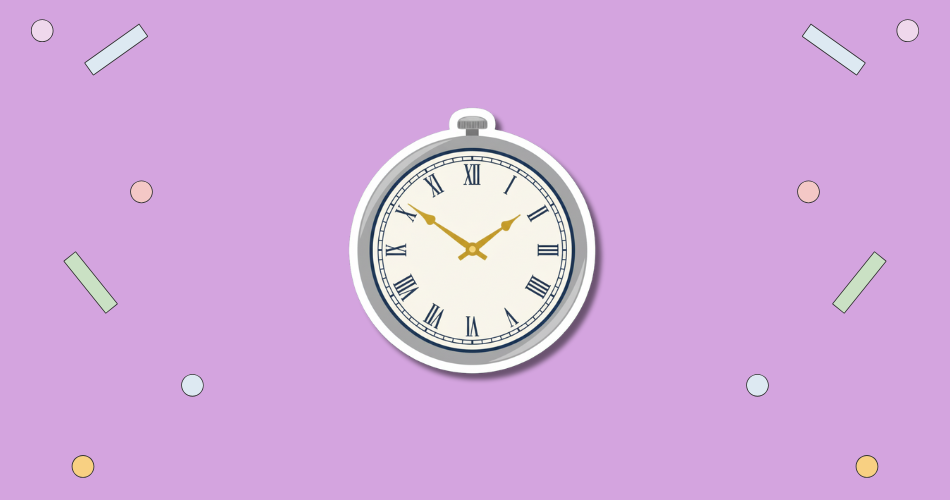
Daylight Saving Day
Environmentally, the shift was originally designed to lower energy usage. By aligning human activity with the sun’s cycle, the need for artificial lighting in homes and businesses is delayed. While modern energy studies provide conflicting data on the total amount of electricity saved, the psychological benefit of “longer days” remains a significant factor for many. It also acts as a natural reminder for home safety; many fire departments use the date to encourage residents to check their smoke detector batteries and emergency kits.
- Extra evening light encourages outdoor exercise and recreation.
- Increased visibility during rush hour can improve road safety.
- Local businesses often see higher foot traffic during daylight hours.
- It serves as a biannual reminder for essential home maintenance tasks.
- The shift signals the arrival of the spring and summer seasons.
How to Observe Daylight Saving Time Starts
Make it yours
How would you like to spend Daylight Saving Time Starts?
Tick what fits you, and we will put together ideas made for this day — not for any day.
The most practical way to observe the start of Daylight Saving Time is to manually adjust any clocks in your home that do not automatically update. This includes ovens, microwaves, car dashboards, and older wall clocks. It is best to do this on Saturday night before going to bed so that you wake up on the correct time. To mitigate the “social jet lag” caused by losing an hour, try going to bed twenty minutes earlier for a few nights leading up to the Sunday shift.
You can also use the extra hour of evening light to reconnect with nature or start a new outdoor habit. Take a walk after dinner, begin preparing your garden for spring, or simply enjoy the sunset from a porch. Since the change can disrupt sleep patterns, use the day to focus on rest and hydration. It is an ideal time to synchronize your household schedule and ensure that everyone is prepared for the earlier wake-up call on Monday morning.
- Set your manual clocks forward one hour before sleeping on Saturday.
- Spend the first extended evening outdoors to adjust to the new light.
- Check the batteries in your smoke and carbon monoxide detectors.
- Adjust your morning alarm slightly earlier to ease into the work week.
- Prepare a healthy breakfast the night before to save time on Monday.
Daylight Saving Time Starts Dates Table
| Year | Date | Day of the week |
|---|---|---|
| 2026 | March 8 | Sunday |
| 2027 next | March 14 | Sunday |
| 2028 | March 12 | Sunday |
| 2029 | March 11 | Sunday |
| 2030 | March 10 | Sunday |

British Summer Time Begins

Summertime Ends (Daylight Savings Ends)
Sorry to hear you didn't enjoy this article...
Help us make it better!