




International Day of Remembrance of the Victims of Slavery and the Transatlantic Slave Trade

The International Day of Remembrance of the Victims of Slavery and the Transatlantic Slave Trade is a United Nations observance that is observed on March 25. In 2027, this date falls on a Thursday. This solemn day honors the memory of the estimated 15 million men, women, and children who suffered and died during the four-century-long transatlantic slave trade. It serves as a global platform to acknowledge the “triangular trade” as a crime against humanity and to educate the public about the historical causes and enduring consequences of this forced migration, including the systemic racism that persists in modern society.
Contents
- History of International Day of Remembrance of the Victims of Slavery and the Transatlantic Slave Trade
- Why is International Day of Remembrance of the Victims of Slavery and the Transatlantic Slave Trade important?
- How to Observe International Day of Remembrance of the Victims of Slavery and the Transatlantic Slave Trade
- International Day of Remembrance of the Victims of Slavery and the Transatlantic Slave Trade Dates Table
HT Meter
Does this day matter to you?
Say that it does, and say whether you will be marking it. Both are anonymous to nobody but kind to everybody.
This day matters to me
0 Be the first to say so
Quietly remembered
0 Nobody has said so yet
Notes of remembrance
Join those marking this day to share a word, a memory, or the reason it matters to you.
These notes are kept for the people marking this day. Say you will be marking it to read them and to leave your own.
You have already shared a note here recently.
No notes yet. Yours would be the first.
Read also about International Day for the Abolition of Slavery
History of International Day of Remembrance of the Victims of Slavery and the Transatlantic Slave Trade
The establishment of this day resulted from a 2007 UN General Assembly resolution intended to ensure the horrors of the slave trade are never forgotten. While the world had previously marked August 23 as the International Day for the Remembrance of the Slave Trade and its Abolition, the UN sought a specific annual event to focus on the victims and the transatlantic route specifically. The inaugural celebration took place in 2008, following a year of commemorative events marking the 200th anniversary of the abolition of the trans-Atlantic slave trade in the British Empire. 1

Day for Remembrance of the Slave Trade and Its Abolition
A significant milestone in the holiday’s history occurred in 2015 with the unveiling of “The Ark of Return,” a permanent memorial located at the United Nations Headquarters in New York. Designed by Rodney Leon, the memorial serves as a physical space for reflection and a reminder of the tragic legacy of the Middle Passage. Since its inception, the Outreach Programme on the Transatlantic Slave Trade and Slavery has worked to create educational materials and organized global events that highlight the bravery of those who resisted enslavement and the contributions of the African diaspora to modern civilization.
Why is International Day of Remembrance of the Victims of Slavery and the Transatlantic Slave Trade important?
This day is vital because it addresses one of the most prolonged and brutal violations of human rights in history. It provides a formal opportunity to discuss the “triangular trade” that connected the economies of Africa, the Americas, and Europe at the cost of millions of lives. By focusing on the victims, the observance helps restore the human dignity of those who were treated as chattel and stripped of their identities. It ensures that the historical facts of the trade—including its role in building the wealth of colonizing nations—remain part of the public record.
The importance of the day also lies in its focus on the present. The UN uses this platform to draw direct links between the history of slavery and contemporary issues like systemic racism, racial discrimination, and modern forms of human trafficking. It emphasizes that the prejudices used to justify the slave trade for over 400 years did not disappear with abolition. By educating the world’s youth about this dark chapter, the holiday aims to foster a future built on equality and justice, encouraging societies to dismantle the structural inequalities that were rooted in the era of enslavement.
- It honors the 15 million people victimized by the transatlantic slave trade
- It acknowledges the historical role of slavery in global economic development
- It highlights the resistance and resilience of enslaved Africans
- It educates the public on the connection between slavery and modern racism
- It serves as a call to action against all forms of contemporary enslavement
How to Observe International Day of Remembrance of the Victims of Slavery and the Transatlantic Slave Trade
Make it yours
How would you like to spend International Day of Remembrance of the Victims of Slavery and the Transatlantic Slave Trade?
Tick what fits you, and we will put together ideas made for this day — not for any day.
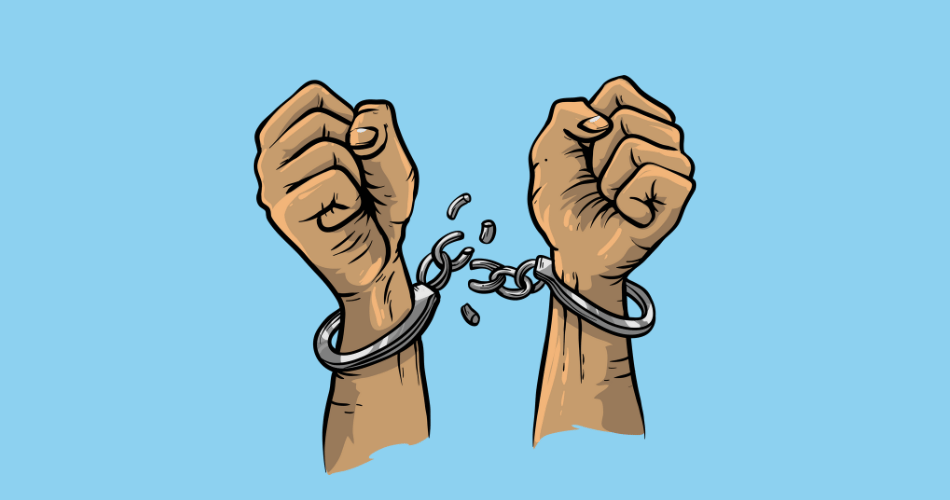
Slavery Remembrance Day
Observing this day involves participating in commemorative events organized by the United Nations, government agencies, and educational institutions. Many people visit the “Ark of Return” memorial in New York or local museums and historical sites dedicated to the history of the African diaspora. Schools often hold special assemblies or workshops to discuss the Middle Passage and the abolitionist movements. Watching documentaries or reading historical accounts written by formerly enslaved individuals, such as Olaudah Equiano or Frederick Douglass, provides a deep, personal understanding of the tragedy.
Practical ways to mark the occasion include engaging in community discussions about racial justice and the ongoing impacts of the slave trade’s legacy. Many choose to support organizations that work toward the elimination of modern-day slavery and human trafficking. Sharing educational resources on social media helps spread awareness of the holiday’s purpose and the stories of those who fought for freedom. Whether through a moment of silence or active participation in a public lecture, the goal is to reflect on the past while committing to a more equitable and inclusive future for all people.
- Attend a virtual or in-person commemorative event hosted by the UN
- Visit a museum exhibit focused on the transatlantic slave trade
- Read historical narratives written by people who survived enslavement
- Watch a documentary about the history and legacy of the Middle Passage
- Participate in educational workshops about the dangers of racism and prejudice
International Day of Remembrance of the Victims of Slavery and the Transatlantic Slave Trade Dates Table
| Year | Date | Day |
|---|---|---|
| 2026 | March 25 | Wednesday |
| 2027 | March 25 | Thursday |
| 2028 | March 25 | Saturday |
| 2029 | March 25 | Sunday |
| 2030 | March 25 | Monday |

International Day for the Abolition of Slavery
Thank you for your feedback!
Fuel the next post!