



World Folklore Day
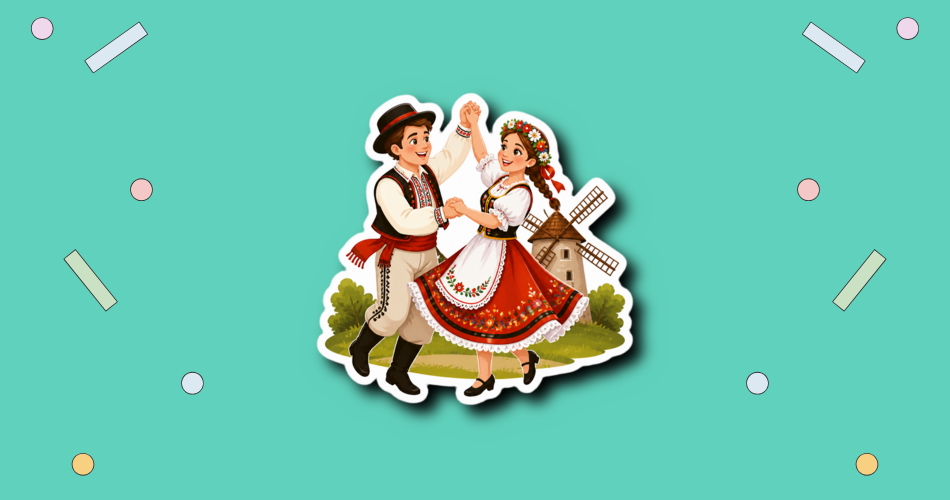
World Folklore Day is celebrated annually on August 22. In 2027, this date falls on a Sunday. This global observance honors the vast tapestry of oral traditions, stories, music, dances, and customs that communities have passed down through generations. It serves as a reminder of the importance of preserving cultural heritage and sharing the unique traditions that define different communities around the world.
Contents
HT Meter
Does this day matter to you?
Tap the meter if it does, and say whether you will be celebrating — that is what opens the wishes from everybody else who will be.
This day matters to me
0 Be the first to say so
Just getting started
0 Let others know you’re in.
Wishes, greetings and stories
Join the celebration to share a wish, a greeting, or how this day goes in your house.
These are kept for the people celebrating this day. Say you will be celebrating to read them and to add your own.
You have already shared something here recently.
Nothing here yet. Yours would be the first.
History of World Folklore Day
The term "folklore" was first coined on August 22, 1846, by the British writer William G. Thoms. He combined the words "folk" (meaning people) and "lore" (meaning knowledge or tradition) to describe the traditional beliefs, customs, and stories of common people. This date is now recognized as the foundation for World Folklore Day, marking the moment when the study of folk traditions gained a formal name and academic recognition.
Since then, folklore studies have grown into a respected academic field, with organizations like the American Folklore Society and the Folklore Society in the United Kingdom dedicated to researching and preserving these cultural expressions. The day has evolved from a scholarly observance into a worldwide celebration that encourages people to explore and appreciate the folk traditions of their own communities and those of others.
Why is World Folklore Day important?
Folklore represents the collective wisdom and creativity of ordinary people throughout history. These traditions include everything from fairy tales and legends to folk songs, dances, and festivals that have been shared orally for centuries. Preserving folklore helps maintain cultural diversity in an increasingly globalized world, ensuring that unique local traditions are not lost to time.
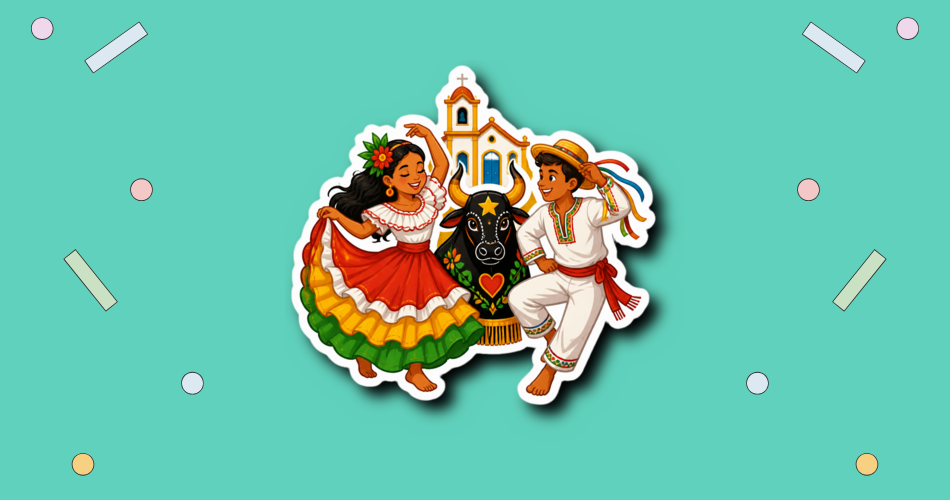
Folklore Day
World Folklore Day also highlights the role of folklore in teaching moral lessons, preserving historical events, and strengthening community bonds. These traditions often carry deep cultural meanings and provide a sense of identity and belonging for communities around the world.
- Folklore preserves cultural heritage and keeps ancient traditions alive for future generations.
- It promotes understanding and respect between different cultures by sharing unique stories and customs.
- Folk traditions often contain valuable lessons about history, morality, and human nature.
- Celebrating folklore supports local artists, musicians, and storytellers who keep these traditions vibrant.
- It encourages people to document and share their own family and community traditions.
How to Celebrate World Folklore Day
Make it yours
How would you like to spend World Folklore Day?
Tick what fits you, and we will put together ideas made for this day — not for any day.
World Folklore Day offers many opportunities to engage with folk traditions in meaningful ways. You can attend local folk festivals, storytelling events, or cultural performances that showcase traditional music, dance, and crafts. Many libraries and community centers host special programs on this day, including storytelling sessions and workshops on traditional crafts.
Another wonderful way to celebrate is by sharing your own family traditions or learning about the folklore of other cultures. You might read folktales from different countries, listen to traditional folk music, or try cooking a traditional dish from your heritage. Social media platforms also provide a space to share folklore-related content and connect with others who appreciate these cultural treasures.
- Attend a local folklore festival or cultural event in your community.
- Read folktales from different cultures with your family or friends.
- Learn a traditional folk dance or song from your heritage.
- Visit a museum or library that features folklore exhibits.
- Share your family's folk traditions on social media using relevant hashtags.
World Folklore Day Dates
| Year | Date | Day of the week |
|---|---|---|
| 2026 | August 22 | Saturday |
| 2027 next | August 22 | Sunday |
| 2028 | August 22 | Tuesday |
| 2029 | August 22 | Wednesday |
| 2030 | August 22 | Thursday |

Sorry to hear you didn't enjoy this article...

International Fairy Day
Help us make it better!