
World Orca Day
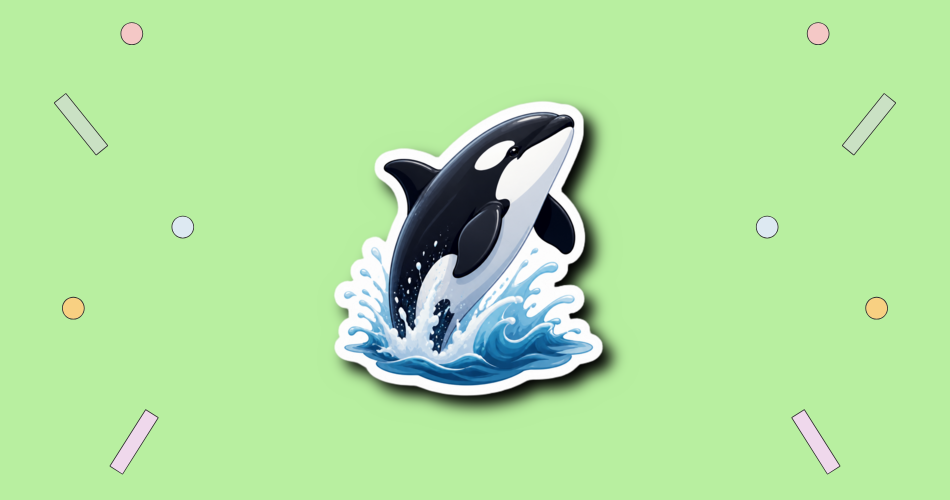
World Orca Day is marked on August 14. In 2027, this date falls on a Saturday. This international observance shines a spotlight on the intelligence and social complexity of orcas, also known as killer whales, and emphasizes the urgent need to safeguard their ocean habitats. The day encourages people around the globe to learn about these remarkable marine mammals and take action to protect them from threats such as pollution, overfishing, and captivity.
Contents
HT Meter
Does this day matter to you?
Say that it does, and say whether you will be marking it. Both are anonymous to nobody but kind to everybody.
This day matters to me
0 Be the first to say so
Quietly remembered
0 Nobody has said so yet
Notes of remembrance
Join those marking this day to share a word, a memory, or the reason it matters to you.
These notes are kept for the people marking this day. Say you will be marking it to read them and to leave your own.
You have already shared a note here recently.
No notes yet. Yours would be the first.
History of World Orca Day
The origins of World Orca Day can be traced to the growing public awareness of orca welfare issues that emerged in the late twentieth and early twenty-first centuries. As orca populations in the wild faced increasing pressure from human activities, conservationists and marine biologists recognized the need for a dedicated day to educate the public. The exact founding of the day is not formally documented, but it was established by a coalition of marine conservation organizations and orca advocacy groups. These groups aimed to create an annual moment for global reflection on the plight of orcas.
Over time, World Orca Day has grown from a small grassroots effort into an internationally recognized event. Zoos, aquariums, and marine research centers now participate by offering educational programs and special exhibits. Social media campaigns amplify the message, reaching millions of people each year. The day has also become a focal point for fundraising efforts that support orca research, habitat restoration, and the fight against the captivity industry. While the holiday lacks an official proclamation, its annual recurrence has cemented its place on the environmental calendar.
Orcas Quiz ❓️
Why is World Orca Day important?
Orcas are apex predators that play a crucial role in maintaining the balance of marine ecosystems. Their hunting behavior influences the population dynamics of fish, seals, and even other whales. A healthy orca population often signals a healthy ocean. Yet these sentient beings face numerous man-made dangers. Chemical pollutants accumulate in their blubber, causing reproductive and immune system problems. Underwater noise from ships and construction interferes with their echolocation and communication. Entanglement in fishing gear and ship strikes also take a heavy toll. Captivity remains a significant ethical concern, as orcas in marine parks often suffer from physical and psychological distress.
World Whale Day
World Orca Day matters because it turns public attention toward these threats and offers a platform for action. Without widespread awareness, the gradual decline of orca populations might go unnoticed. The day empowers individuals to make informed choices, such as avoiding tourist attractions that keep orcas in concrete tanks and supporting sustainable seafood. It also pressures policymakers to strengthen marine protected areas and enforce stricter pollution regulations. By highlighting the interconnectedness of all ocean life, World Orca Day fosters a sense of collective responsibility.
- Orcas are highly intelligent with complex social structures and distinct cultural traditions.
- Several orca populations are listed as endangered or threatened under national and international laws.
- The captivity industry subjects orcas to unnatural living conditions that shorten their lifespans.
- Noise pollution from shipping and military sonar disorients orcas and disrupts their feeding.
- Plastic and chemical pollution contaminate the food chain, harming orca health and reproduction.
How to Observe World Orca Day
Make it yours
How would you like to spend World Orca Day?
Tick what fits you, and we will put together ideas made for this day — not for any day.
Celebrating World Orca Day can be both educational and impactful. Start by learning about the differences between wild and captive orcas. Documentaries and reputable online resources provide insight into their natural behaviors and the challenges they face. You can also support organizations that work on orca conservation through donations or volunteer work. Many groups offer symbolic adoptions that fund research and rescue efforts. If you live near the coast, consider joining a beach cleanup to reduce ocean pollution.
Another meaningful way to celebrate is to share what you have learned with others. Use social media to post about orca facts, tag conservation groups, and encourage friends to explore the issue. For families, reading books about orcas with children can spark lifelong curiosity about the ocean. Avoid venues that keep orcas in captivity; instead, visit marine sanctuaries or whale-watching tours that follow ethical guidelines. Every small action contributes to a safer world for these magnificent animals.
- Watch a documentary about orca behavior and the history of captivity.
- Donate to a reputable orca conservation organization.
- Reduce your use of single-use plastics to prevent ocean pollution.
- Sign petitions to end orca captivity and expand marine protected areas.
- Organize a local beach or river cleanup to remove debris that threatens marine life.
World Orca Day Dates
| Year | Date | Day of the week |
|---|---|---|
| 2026 | August 14 | Friday |
| 2027 next | August 14 | Saturday |
| 2028 | August 14 | Monday |
| 2029 | August 14 | Tuesday |
| 2030 | August 14 | Wednesday |
Sorry to hear you didn't enjoy this article...

World Octopus Day
Help us make it better!