

National Mother Goose Day
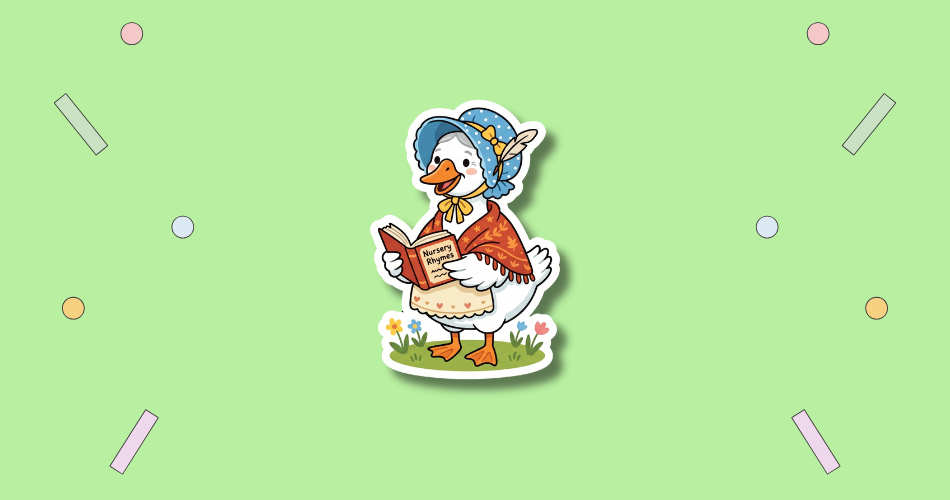
National Mother Goose Day is observed annually on May 1. This holiday honors the imaginary author of countless nursery rhymes and fairy tales that have served as the foundation for children’s literature in the English-speaking world for centuries.
Contents
See also: International Children’s Book Day, National Children’s Picture Book Day, National Support Teen Literature Day, Reading is Funny Day, International Read To Me Day, World Read Aloud Day
HT Meter
Does this day matter to you?
Say that it does, and say whether you will be marking it. Both are anonymous to nobody but kind to everybody.
This day matters to me
0 Be the first to say so
Quietly remembered
0 Nobody has said so yet
Notes of remembrance
Join those marking this day to share a word, a memory, or the reason it matters to you.
These notes are kept for the people marking this day. Say you will be marking it to read them and to leave your own.
You have already shared a note here recently.
No notes yet. Yours would be the first.
History of National Mother Goose Day
Gloria T. Delamar founded National Mother Goose Day in 1987 in conjunction with the publication of her book, “Mother Goose: From Nursery to Literature.” Her goal was to encourage families and educators to re-appreciate the classic rhymes that are often passed down orally before children ever learn to read. The day provides a structured opportunity to celebrate the “warmth of Mother Goose’s embrace” through the reading of traditional verses.
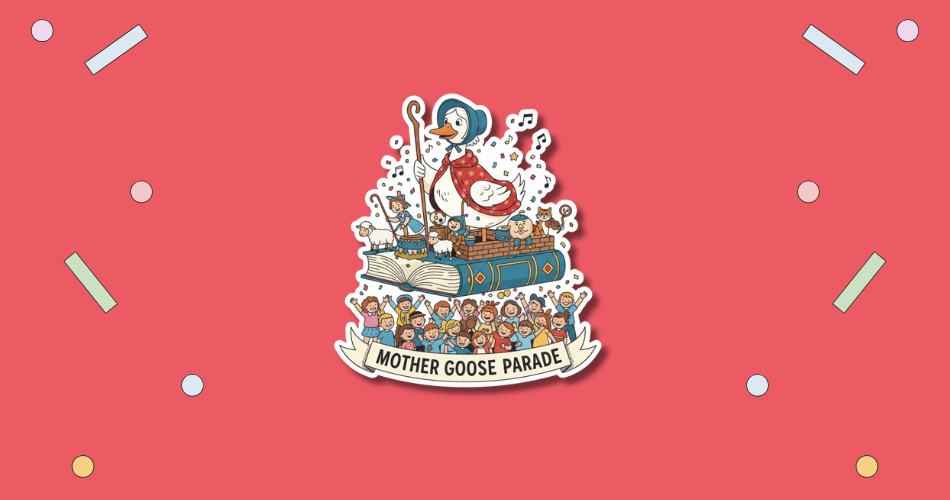
Mother Goose Parade Day
The origins of Mother Goose herself are debated, with some tracing the name back to a French collection by Charles Perrault titled “Contes de ma Mère l’Oye” in 1695. Others point to a Bostonian woman named Elizabeth Goose who reportedly sang ditties to her grandchildren in the 1700s. Regardless of her true identity, the figure became a permanent fixture in publishing after John Newbery’s “Mother Goose’s Melody” was released in the late 18th century, cementing the character’s association with children’s poetry.
Why is National Mother Goose Day important?
Nursery rhymes play a vital role in early childhood development by introducing young listeners to the phonics and rhythms of language. The repetitive structures and rhyming patterns found in Mother Goose stories help children predict what comes next, which is a fundamental skill in learning to read. These stories also provide a shared cultural vocabulary, as references to characters like Humpty Dumpty or Jack and Jill appear frequently in adult literature and everyday conversation.
Beyond literacy, the day preserves a unique form of historical folk wisdom and storytelling. Many of the rhymes originated as social commentary or simplified versions of historical events that were transformed into catchy verses to ensure they were remembered. By celebrating this day, communities ensure that these ancestral poems are not lost to time but continue to be utilized as tools for bonding between generations.
- It encourages parents and children to engage in daily reading habits.
- The day highlights the importance of rhythm and rhyme in early literacy.
- It honors the historical transition from oral traditions to printed literature.
- These stories provide a sense of nostalgia and continuity for many adults.
- It introduces children to classic characters that populate modern pop culture.
How to Observe National Mother Goose Day
Make it yours
How would you like to spend National Mother Goose Day?
Tick what fits you, and we will put together ideas made for this day — not for any day.

National Children’s Picture Book Day
Celebrating this day typically involves revisiting a favorite collection of nursery rhymes and reading them aloud. Families can make the experience more interactive by using finger puppets or acting out the scenes from stories like “Little Miss Muffet” or “The Three Little Kittens.” Many local libraries host special storytime sessions on May 1, where librarians read various editions of Mother Goose to show how different artists have interpreted the characters over the last century.
Another practical way to observe the holiday is to incorporate the rhymes into sensory play or crafts. Children can create paper-plate bonnets similar to those seen in classic illustrations or bake treats mentioned in the verses, such as “Pease Porridge” or “Curds and Whey.” Sharing a favorite poem on social media or donating a new book of fairy tales to a local daycare center helps spread the joy of these timeless stories to a new audience.
- Read a collection of illustrated nursery rhymes with a child.
- Visit a local library for a Mother Goose-themed story hour.
- Draw or color pictures of characters like Old King Cole or Bo-Peep.
- Memorize a short poem to recite for friends or family members.
- Act out a nursery rhyme using simple costumes or hand puppets.
National Mother Goose Day Dates Table
| Year | Date | Day |
|---|---|---|
| 2026 | May 1 | Friday |
| 2027 | May 1 | Saturday |
| 2028 | May 1 | Monday |
| 2029 | May 1 | Tuesday |
| 2030 | May 1 | Wednesday |