

Cuckoo Warning Day
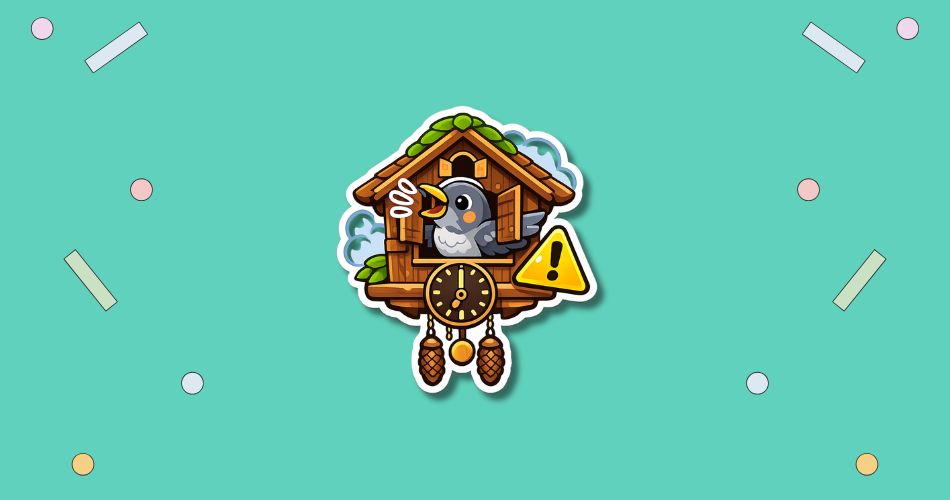
Cuckoo Warning Day is observed on the first day of summer, traditionally June 21. In 2027, this date falls on a Monday. This informal weather-folklore day centers on a simple old belief: if a cuckoo is heard calling on this date, a wet summer may be ahead. The day is not a formal public holiday, but it gives readers a light, seasonal way to notice birdsong, old sayings, and the long-standing human habit of looking to nature for signs. It is best treated as a fun folklore observance rather than a serious weather forecast.
Contents
See also: National Find a Rainbow Day, Nature Photography Day, June Bug Day
HT Meter
Does this day matter to you?
Tap the meter if it does, and say whether you will be celebrating — that is what opens the wishes from everybody else who will be.
This day matters to me
0 Be the first to say so
Just getting started
0 Let others know you’re in.
Wishes, greetings and stories
Join the celebration to share a wish, a greeting, or how this day goes in your house.
These are kept for the people celebrating this day. Say you will be celebrating to read them and to add your own.
You have already shared something here recently.
Nothing here yet. Yours would be the first.
History of Cuckoo Warning Day
Cuckoo Warning Day is tied to the traditional first day of summer and to a piece of weather lore about the cuckoo’s call. Several modern references connect the day with June 21 and the idea that hearing a cuckoo on that date predicts a rainy or wet summer. No clearly documented founder, sponsoring organization, or first official observance is widely identified, so the safest history is not a formal origin story but the older folk practice behind the day. In European seasonal folklore, birds, insects, winds, and plant changes were often watched as signs of coming weather, especially before modern forecasting was available.
Observe the Weather Day
The cuckoo itself has a long cultural presence because of its distinctive call and unusual nesting habits. In many parts of Europe, the sound of the cuckoo has been associated with spring and early summer, making it a natural fit for seasonal sayings. Cuckoo Warning Day keeps that connection in a playful form: listen for a bird, remember the old prediction, and compare it with what the season actually brings. Today, the day sits somewhere between nature appreciation, weather folklore, and quirky calendar fun.
Why is Cuckoo Warning Day important?
Cuckoo Warning Day is important because it preserves a small piece of folk weather tradition. It shows how people once paid close attention to the natural world for clues about planting, travel, storms, and seasonal change. Even when the prediction is not scientifically reliable, the habit behind it has value: stop, listen, observe, and notice what is happening outdoors. The day also gives people a friendly reason to learn more about birds and the arrival of astronomical summer.
The observance also points to the difference between folklore and forecasting. A cuckoo call cannot replace radar, climate data, or a local weather report, but old sayings often reveal what people noticed over generations. They connect weather with daily life, farming, migration, and seasonal rhythms. Cuckoo Warning Day works best when it is enjoyed with curiosity rather than taken as a literal forecast.
- It keeps an old seasonal saying alive.
- It draws attention to birdsong and summer nature.
- It makes weather folklore easy to understand.
- It invites people to compare tradition with real weather.
- It adds a playful note to the start of summer.
How to Celebrate Cuckoo Warning Day
Make it yours
How would you like to spend Cuckoo Warning Day?
Tick what fits you, and we will put together ideas made for this day — not for any day.
Rain Day
Step outside early in the day and listen carefully for birdsong. A walk through a park, woodland edge, garden, or quiet rural road is more fitting than trying to force a celebration indoors. If cuckoos do not live in the area, use the day to learn what local birds are calling instead. A cuckoo clock, bird guide, or recording of a cuckoo call can also bring the folklore into the day without pretending it is a real forecast.
Families, classrooms, and nature groups can use the day as a small lesson in observation. Compare the old prediction with the actual summer weather over the next few weeks, or keep a simple weather journal. The day can also lead into conversations about migration, bird behavior, and why certain animals became symbols in seasonal traditions. Keep the tone light, curious, and grounded in nature.
- Listen for birds during a morning walk.
- Look up whether cuckoos live in your region.
- Compare the folklore with your local forecast.
- Read a short poem or old saying about cuckoos.
- Start a simple summer weather journal.
Cuckoo Warning Day Dates
| Year | Date | Day of the week |
|---|---|---|
| 2026 | June 21 | Sunday |
| 2027 next | June 21 | Monday |
| 2028 | June 21 | Wednesday |
| 2029 | June 21 | Thursday |
| 2030 | June 21 | Friday |