
Canada’s National Indigenous Peoples Day
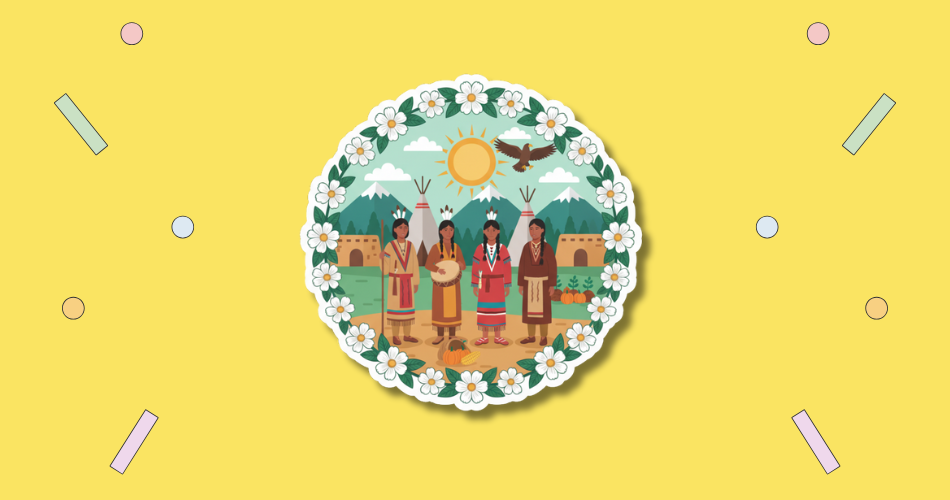
Canada’s National Indigenous Peoples Day is observed every year on June 21. In 2027, this date falls on a Monday. The day recognizes the cultures, traditions, languages, histories, and contributions of First Nations, Inuit, and Métis Peoples. It is connected with the summer solstice, a time of cultural and spiritual significance for many Indigenous communities. Across Canada, people mark the day through community gatherings, cultural learning, performances, public events, and reflection on the ongoing work of respect and reconciliation. 1 2
Contents
See also: Indigenous Peoples’ Day, National Day of Awareness for Missing and Murdered Indigenous Women and Girls
HT Meter
Does this day matter to you?
Tap the meter if it does, and say whether you will be celebrating — that is what opens the wishes from everybody else who will be.
This day matters to me
0 Be the first to say so
Just getting started
0 Let others know you’re in.
Wishes, greetings and stories
Join the celebration to share a wish, a greeting, or how this day goes in your house.
These are kept for the people celebrating this day. Say you will be celebrating to read them and to add your own.
You have already shared something here recently.
Nothing here yet. Yours would be the first.
History of Canada’s National Indigenous Peoples Day
National Indigenous Peoples Day was first proclaimed in 1996 as National Aboriginal Day by Governor General Roméo LeBlanc. The proclamation declared June 21 of each year as a day to mark and celebrate the contributions of Aboriginal peoples of Canada and to recognize their different cultures. The date was chosen in connection with the summer solstice, which carries important symbolism in many Indigenous cultures. The day followed years of calls for national recognition, including support from Indigenous organizations, the Sacred Assembly, and the Royal Commission on Aboriginal Peoples.
Canadian Multiculturalism Day
Today, the observance is known as National Indigenous Peoples Day and is part of a broader period of learning and recognition during National Indigenous History Month in June. It is a national observance across Canada and a statutory holiday in Yukon and the Northwest Territories, but not in every province and territory. The day focuses on the distinct identities and living traditions of First Nations, Inuit, and Métis Peoples. It also invites non-Indigenous Canadians to learn with care, listen respectfully, and recognize the depth of Indigenous presence, knowledge, and contributions.
Why is Canada’s National Indigenous Peoples Day important?
Canada’s National Indigenous Peoples Day matters because it puts attention on cultures and communities that have shaped the land now called Canada since long before Confederation. First Nations, Inuit, and Métis Peoples have distinct histories, languages, governments, art forms, legal traditions, foodways, and relationships with land and water. Recognizing those differences helps avoid treating Indigenous peoples as one single group. The day also gives public space to Indigenous voices, celebrations, and community-led events.
The observance has a broader educational purpose as well. Learning about Indigenous histories includes celebrating resilience and creativity, but it also requires honesty about colonial policies, residential schools, displacement, and continuing inequities. A respectful approach does not reduce the day to entertainment or symbolism. It connects celebration with responsibility, including listening, supporting Indigenous-led work, and understanding how reconciliation must be lived beyond one date on the calendar.
- It honors First Nations, Inuit, and Métis cultures.
- It recognizes Indigenous contributions across Canada.
- It supports learning about distinct traditions and languages.
- It connects celebration with respectful reflection.
- It encourages stronger relationships between communities.
How to Celebrate Canada’s National Indigenous Peoples Day
Make it yours
How would you like to spend Canada's National Indigenous Peoples Day?
Tick what fits you, and we will put together ideas made for this day — not for any day.
National Respect Canada Day
Attend a local Indigenous-led event, public gathering, cultural performance, market, or community celebration when one is open to the public. Many events include music, dance, storytelling, art, food, ceremony, or educational programming, and visitors should follow any guidance shared by organizers. Reading books by Indigenous authors, watching films by Indigenous creators, or visiting a local cultural center can also be thoughtful ways to learn. When buying art, crafts, or food, choose Indigenous artists, makers, businesses, and organizations directly.
Respectful celebration also means paying attention to place. Learn whose traditional territory, treaty area, or homeland you live on, and look for information from Indigenous nations and organizations in your region. Parents and teachers can use the day to share age-appropriate resources about First Nations, Inuit, and Métis Peoples. Workplaces and public institutions can mark the date by inviting Indigenous speakers, supporting Indigenous-led programs, and avoiding shallow gestures that do not lead to deeper understanding.
- Look for Indigenous-led events in your community.
- Read a book by an Indigenous author.
- Support Indigenous artists, makers, and businesses.
- Learn whose land or treaty area you live on.
- Share reliable educational resources with others.
Canada’s National Indigenous Peoples Day Dates
| Year | Date | Day of the week |
|---|---|---|
| 2026 | June 21 | Sunday |
| 2027 next | June 21 | Monday |
| 2028 | June 21 | Wednesday |
| 2029 | June 21 | Thursday |
| 2030 | June 21 | Friday |