



Anne and Samantha Day

Anne and Samantha Day is observed on the summer solstice and the winter solstice. In 2026, this date falls on December 21. The observance honors Anne Frank and Samantha Smith, two young people remembered for their words, courage, and connection to peace. Anne Frank’s diary became one of the most widely read personal accounts of Jewish life in hiding during the Holocaust. Samantha Smith became known during the Cold War after writing to Soviet leader Yuri Andropov and asking a direct child’s question about nuclear war. The day has a reflective tone, with attention on hope, young voices, and the lasting power of honest writing. 1 2
Contents
See also: Anne and Samantha Day (winter), Benjamin Franklin Day, Thomas Jefferson Day, International Mobilization Day against Nuclear War
HT Meter
Does this day matter to you?
Say that it does, and say whether you will be marking it. Both are anonymous to nobody but kind to everybody.
This day matters to me
0 Be the first to say so
Quietly remembered
0 Nobody has said so yet
Notes of remembrance
Join those marking this day to share a word, a memory, or the reason it matters to you.
These notes are kept for the people marking this day. Say you will be marking it to read them and to leave your own.
You have already shared a note here recently.
No notes yet. Yours would be the first.
History of Anne and Samantha Day
Anne and Samantha Day is connected with a campaign to support U.S. postage stamps honoring Anne Frank and Samantha Smith. The observance is placed on the summer and winter solstices, dates often associated with turning points, renewal, and reflection. A single official founder is not clearly identified, but the purpose of the day is consistent: to remember two girls whose short lives carried unusual public meaning. The day is not a federal holiday, but it is recognized as an unofficial observance in the United States.
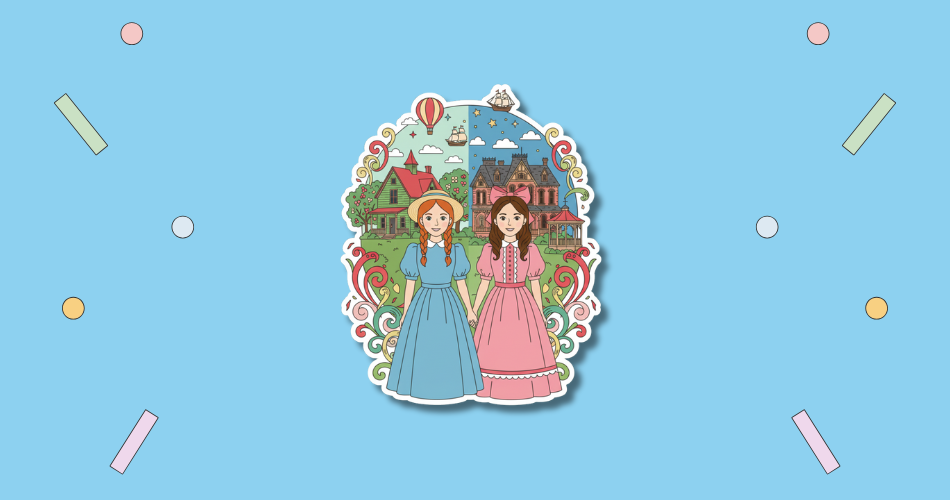
Anne and Samantha Day
Anne Frank was born in Frankfurt am Main in 1929 and later moved with her family to Amsterdam. During the Nazi occupation of the Netherlands, she went into hiding with her family and others, writing about daily life, fear, hope, and her inner world in a diary she received for her thirteenth birthday. Samantha Smith was a ten-year-old from Manchester, Maine, who wrote to Yuri Andropov in 1982 because she was frightened by the possibility of nuclear war. Her letter and the response she received led to a visit to the Soviet Union and made her a widely recognized symbol of citizen diplomacy and childlike moral clarity.
Why is Anne and Samantha Day important?
Anne and Samantha Day matters because it places young voices at the center of history. Anne Frank did not write as a historian or public official; she wrote as a teenager trying to understand confinement, persecution, family tension, fear, and hope. Samantha Smith did not approach the Cold War as a diplomat; she asked a question many adults were afraid to ask plainly. Their stories show that writing can carry moral weight even when it begins in a diary, a schoolchild’s letter, or a private moment of worry.
The observance also connects two very different historical settings: the Holocaust and the Cold War. One story is rooted in genocide, antisemitism, occupation, and loss; the other in nuclear fear, international suspicion, and the possibility of dialogue. Holding them together does not make their experiences the same. Instead, the day invites careful attention to what young people notice when the adult world becomes dangerous, divided, or cruel.
- It keeps Anne Frank’s voice connected to Holocaust memory.
- It honors Samantha Smith’s direct appeal for peace.
- It shows why children’s questions deserve serious attention.
- It links reading, writing, history, and moral courage.
- It gives families and classrooms a focused reason to discuss peace.
How to Observe Anne and Samantha Day
Make it yours
How would you like to spend Anne and Samantha Day?
Tick what fits you, and we will put together ideas made for this day — not for any day.

Susan B Anthony Day
Read a selection from Anne Frank’s diary or learn more about the Secret Annex, the people who hid there, and the helpers who risked their safety. Read about Samantha Smith’s letter, her trip to the Soviet Union, and the Cold War fears that shaped her childhood. A classroom, library, or family discussion can focus on one practical question: what happens when a young person tells the truth simply and clearly? The day is also a fitting time to write a letter, not as a symbolic gesture, but as a real act of communication with someone who needs to hear from you.
Use the observance with care, especially when discussing Anne Frank’s life and death. Her story belongs within the history of the Holocaust, antisemitism, Nazi persecution, and the murder of millions of Jews and others targeted by the regime. Samantha Smith’s story belongs within the nuclear anxiety of the 1980s and the tense relationship between the United States and the Soviet Union. Together, the two stories can help readers think about fear, responsibility, and the way a young person’s words can outlive a short life.
- Read a chapter from The Diary of a Young Girl.
- Learn the basic timeline of Anne Frank’s life.
- Read Samantha Smith’s letter to Yuri Andropov.
- Discuss how children experience war and political fear.
- Write a thoughtful letter about peace, safety, or justice.