


Indigenous Peoples’ Day
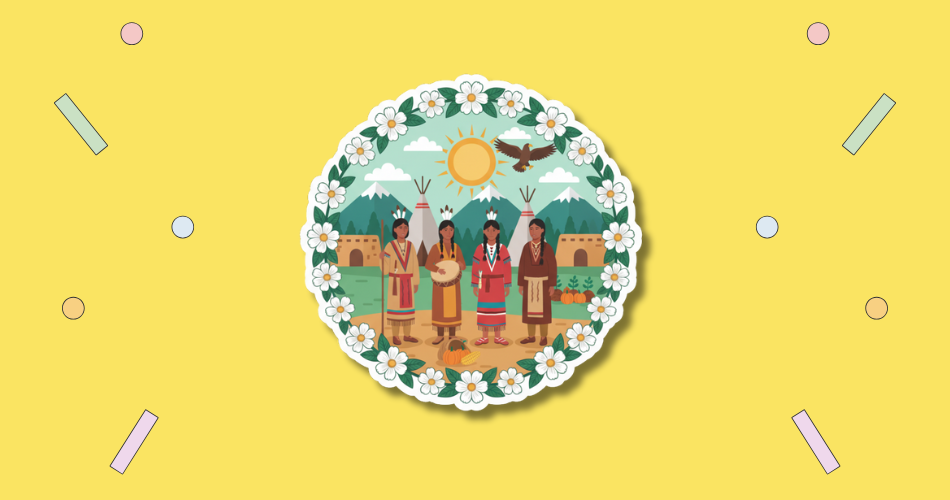
Indigenous Peoples’ Day is observed in many parts of the United States on the second Monday in October, often in place of or alongside Columbus Day. In 2026, this date falls on October 12.
Contents
HT Meter
Does this day matter to you?
Say that it does, and say whether you will be marking it. Both are anonymous to nobody but kind to everybody.
This day matters to me
0 Be the first to say so
Quietly remembered
0 Nobody has said so yet
Notes of remembrance
Join those marking this day to share a word, a memory, or the reason it matters to you.
These notes are kept for the people marking this day. Say you will be marking it to read them and to leave your own.
You have already shared a note here recently.
No notes yet. Yours would be the first.
History of Indigenous Peoples’ Day
The idea for Indigenous Peoples’ Day first emerged in 1977, when delegates to a United Nations–sponsored conference on discrimination against Indigenous populations proposed creating a day to counterbalance celebrations that honored European colonizers. Over the following years, Indigenous activists and allies began advocating for a shift in public commemoration to center the voices, histories, and rights of Native communities.
In 1992, Berkeley, California became one of the first U.S. cities to formally replace Columbus Day observances with Indigenous Peoples’ Day. In 1989, South Dakota became the first state to officially replace Columbus Day with a holiday honoring Native Americans. Gradually, more cities and states followed suit. While Indigenous Peoples’ Day is not yet a federal holiday in the U.S., President Joe Biden issued the first presidential proclamation recognizing it in 2021, lending greater visibility to the movement.
Why is Indigenous Peoples’ Day important?
At its heart, Indigenous Peoples’ Day offers a corrective to a historical narrative that has long marginalized Indigenous communities. By marking this day, people acknowledge that the lands on which modern societies exist had been home to vibrant, sovereign Indigenous nations for millennia. Recognizing this helps open space for more truthful conversations about colonization, identity, and justice.
The day also celebrates resilience, creativity, and survival. Despite centuries of displacement, trauma, and forced assimilation, Indigenous peoples today continue to sustain cultures, languages, knowledge systems, and deep relationships with land. Indigenous Peoples’ Day encourages honoring that ongoing presence rather than treating Indigenous histories as relics of the past.
National Native American Day
Some of what this holiday draws attention to:
- stories and histories that were excluded or suppressed
- how colonial actions caused loss of land, language, life
- the survival and revival of Indigenous cultures
- the need for equity, land justice, and self-determination
- honoring contemporary Indigenous communities and leadership
How to Observe Indigenous Peoples’ Day
Make it yours
How would you like to spend Indigenous Peoples' Day?
Tick what fits you, and we will put together ideas made for this day — not for any day.
Observing Indigenous Peoples’ Day means doing more than symbolic gestures—it means listening, learning, and acting. You might attend events or ceremonies hosted by Indigenous communities: traditional dances, storytelling, art shows, panel discussions, or film screenings. These create opportunities to engage respectfully with Indigenous voices and experiences.
You can also use the day (or the weeks around it) to challenge what you thought you knew: read books by Indigenous authors, seek resources produced by Native-led organizations, support Indigenous businesses and artists, and use your platform to amplify Indigenous perspectives. In educational settings, it can be a pivot point to revise how history is taught, giving space to Indigenous knowledge rather than presenting only colonial narratives.
Here are some simple ideas you might try
- attend or support a local Indigenous event or cultural gathering
- read a book or listen to a podcast by an Indigenous creator
- share Indigenous-led resources or stories with your community
- buy art, crafts, or products from Indigenous makers
- reflect on local Indigenous history and land relationships
Indigenous Peoples’ Day Dates Table
| Year | Date | Day of the week |
|---|---|---|
| 2026 next | October 12 | Monday |
| 2027 | October 11 | Monday |
| 2028 | October 9 | Monday |
| 2029 | October 8 | Monday |
| 2030 | October 14 | Monday |
Sorry to hear you didn't enjoy this article...
Canada's National Indigenous Peoples Day
Help us make it better!