

Chinese Language Day
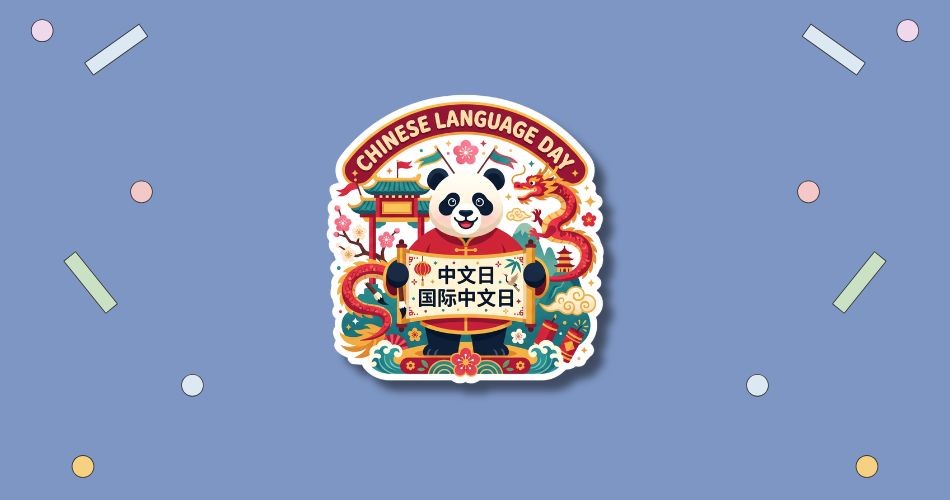
Chinese Language Day is a global celebration of the linguistic and cultural wealth of the Chinese language, and it is observed on April 20. In 2027, this date falls on a Tuesday. One of the six official languages of the United Nations, Chinese is spoken by over a billion people, and this day serves to promote multilingualism, cultural diversity, and the equal use of all official UN languages.
Contents
See also: Chinese New Year, National Chinese Take-Out Day, French Language Day, World Arabic Language Day, Day of the Finnish Language
HT Meter
Does this day matter to you?
Tap the meter if it does, and say whether you will be celebrating — that is what opens the wishes from everybody else who will be.
This day matters to me
0 Be the first to say so
Just getting started
0 Let others know you’re in.
Wishes, greetings and stories
Join the celebration to share a wish, a greeting, or how this day goes in your house.
These are kept for the people celebrating this day. Say you will be celebrating to read them and to add your own.
You have already shared something here recently.
Nothing here yet. Yours would be the first.
History of Chinese Language Day
The United Nations Department of Public Information established Chinese Language Day in 2010. The date, April 20, was chosen to coincide with Guyu (“Rain of Millet”), the sixth of the twenty-four solar terms in the traditional Chinese calendar. This timing pays tribute to Cangjie, a legendary figure in ancient China who is credited with inventing Chinese characters approximately 5,000 years ago. 1

International English Language Day
According to legend, when Cangjie developed the writing system, the gods were so moved that it rained millet from the sky, marking the birth of a new era of record-keeping and literature. Since the first celebration in 2010, the UN and various cultural institutes worldwide have used this day to host exhibitions, workshops, and lectures that highlight the evolution of Chinese script—from ancient oracle bone inscriptions to modern simplified characters.
Why is Chinese Language Day important?
This day is important because it highlights the role of the Chinese language as a bridge for international cooperation and diplomacy. As the world’s oldest continuously used writing system, Chinese offers a unique window into thousands of years of history, philosophy, and art. By celebrating the language, the holiday encourages a deeper understanding of Chinese culture, helping to dispel misconceptions and foster global harmony.
The observance also emphasizes the linguistic complexity of the language, which includes numerous dialects and the unique tonal system that gives it its musical quality. In a rapidly globalizing world, proficiency in Chinese is increasingly seen as a valuable skill in trade, science, and technology. Chinese Language Day provides a platform for learners to celebrate their progress and for native speakers to share the poetic beauty of their mother tongue.
- It honors the legendary inventor Cangjie and the history of Chinese characters.
- The day promotes the UN’s goal of multilingualism and cultural parity.
- It highlights the artistic beauty of Chinese calligraphy and literature.
- Public awareness encourages the study of Chinese as a second language.
- It celebrates the “Guyu” solar term and its connection to agricultural history.
How to Celebrate Chinese Language Day
Make it yours
How would you like to spend Chinese Language Day?
Tick what fits you, and we will put together ideas made for this day — not for any day.

French Language Day
One of the most engaging ways to celebrate is by trying your hand at Chinese calligraphy. Using a brush and ink to write basic characters like “永” (yǒng, meaning “forever”) allows you to appreciate the balance and stroke order that define the script. Many cultural centers and universities host “open house” events on April 20, offering introductory lessons in Mandarin, traditional tea ceremonies, and musical performances using instruments like the guzheng.
For language learners, the day is an excellent opportunity to practice speaking or to watch a Chinese-language film with subtitles to improve listening skills. Sharing a favorite Chinese proverb or a beautifully written character on social media using #ChineseLanguageDay helps spread the celebration. You can also observe the day by exploring Chinese literature, perhaps by reading the works of Tang Dynasty poets or modern novelists to see how the language has adapted over millennia.
- Practice writing your name or basic phrases in Chinese characters.
- Listen to a podcast or watch a documentary about Chinese history and linguistics.
- Visit a local museum to view ancient Chinese artifacts or scrolls.
- Try a traditional Chinese dish and learn the name of its ingredients in Mandarin.
- Share a meaningful Chinese idiom (chengyu) with friends or colleagues.
Chinese Language Day Dates Table
| Year | Date | Day of the week |
|---|---|---|
| 2026 | April 20 | Monday |
| 2027 next | April 20 | Tuesday |
| 2028 | April 20 | Thursday |
| 2029 | April 20 | Friday |
| 2030 | April 20 | Saturday |