


Côte d’Ivoire Independence Day
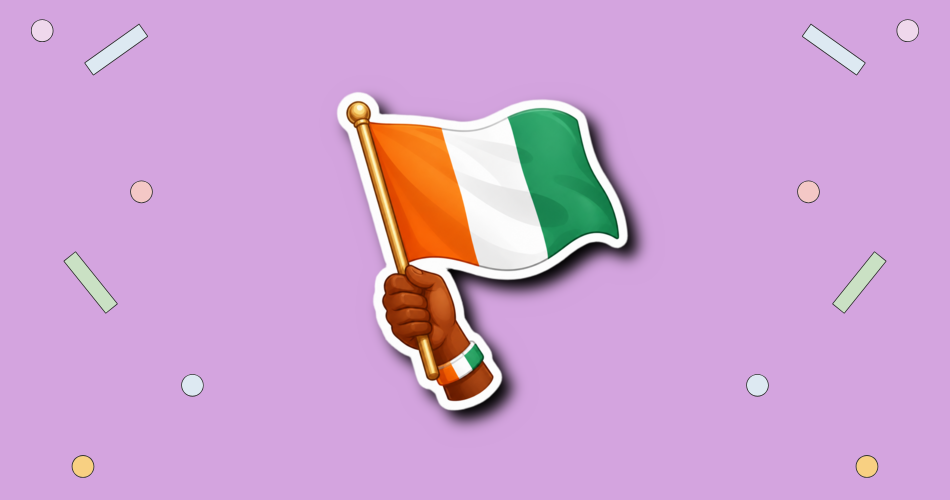
Côte d'Ivoire Independence Day is celebrated annually on August 7. In 2027, this date falls on a Saturday. The day honors the country's declaration of independence from French colonial rule in 1960, marking a pivotal moment in West African history.
Contents
HT Meter
Does this day matter to you?
Tap the meter if it does, and say whether you will be celebrating — that is what opens the wishes from everybody else who will be.
This day matters to me
0 Be the first to say so
Just getting started
0 Let others know you’re in.
Wishes, greetings and stories
Join the celebration to share a wish, a greeting, or how this day goes in your house.
These are kept for the people celebrating this day. Say you will be celebrating to read them and to add your own.
You have already shared something here recently.
Nothing here yet. Yours would be the first.
History of Côte d'Ivoire Independence Day
Côte d'Ivoire, also known as Ivory Coast, was a French colony for much of the late 19th and early 20th centuries. French colonial administration exploited the region's cocoa, coffee, and timber resources while imposing French language and culture. After World War II, a growing independence movement emerged across French West Africa, led by figures like Félix Houphouët-Boigny, who later became the country's first president. The movement gained momentum through peaceful negotiations and political organizing.
On August 7, 1960, Côte d'Ivoire formally achieved full independence from France. The date commemorates the country's sovereignty and its emergence as a self-governing nation. This event was part of a broader wave of decolonization across Africa. The anniversary has been observed as a national holiday ever since, celebrating the country's freedom and continued growth.
Why is Côte d'Ivoire Independence Day important?
This national holiday represents the culmination of a long struggle for self-determination and national identity. The day is a reminder of the courage and resilience of the Ivorian people in their quest for freedom. It also highlights the nation's cultural richness and diversity, which flourished after independence.
Burkina Faso Independence Day
Independence Day reinforces national unity and pride among Ivorians at home and abroad. It is a time to reflect on the progress made since 1960 and to honor the sacrifices of those who fought for independence. The celebration also serves as an opportunity to educate younger generations about their heritage.
- It marks the end of French colonial rule in Côte d'Ivoire.
- It celebrates the country's sovereignty and independence.
- It honors the leaders and citizens who worked for freedom.
- It strengthens national identity and unity.
- It highlights the country's diverse cultural traditions.
How to Celebrate Côte d'Ivoire Independence Day
Make it yours
How would you like to spend Côte d'Ivoire Independence Day?
Tick what fits you, and we will put together ideas made for this day — not for any day.
Celebrations across the country feature vibrant parades, cultural performances, and traditional music and dance. Many Ivorians wear the national colors of orange, white, and green. Communities gather for feasts of local dishes such as attiéké, grilled fish, and aloco. Public speeches by officials emphasize national pride and progress. Festivities often include sporting events, fireworks, and family gatherings.
Ivorians abroad also mark the day with community events, exhibitions, and flag-raising ceremonies. Schools and cultural organizations host educational programs about the country's history and independence. Social media campaigns share stories of Ivorian achievements and heritage. The day is a joyful expression of gratitude for freedom and a hopeful look toward the future.
- Attend a local parade or cultural festival.
- Prepare traditional Ivorian dishes like attiéké or alloco.
- Display the national flag and wear the country's colors.
- Watch or share documentaries about Côte d'Ivoire's history.
- Join community events organized by Ivorian diaspora groups.
Côte d'Ivoire Independence Day Dates
| Year | Date | Day of the week |
|---|---|---|
| 2026 | August 7 | Friday |
| 2027 next | August 7 | Saturday |
| 2028 | August 7 | Monday |
| 2029 | August 7 | Tuesday |
| 2030 | August 7 | Wednesday |

Sorry to hear you didn't enjoy this article...

Guinea Independence Day
Help us make it better!