


Independence Day in Cape Verde

Independence Day in Cape Verde is celebrated on July 5 every year. In 2027, this date falls on a Monday. The day marks the formal transfer of independence instruments in 1975 and is observed across the islands and in Cape Verdean communities abroad as a time of national pride and cultural celebration.
Contents
HT Meter
Does this day matter to you?
Tap the meter if it does, and say whether you will be celebrating — that is what opens the wishes from everybody else who will be.
This day matters to me
0 Be the first to say so
Just getting started
0 Let others know you’re in.
Wishes, greetings and stories
Join the celebration to share a wish, a greeting, or how this day goes in your house.
These are kept for the people celebrating this day. Say you will be celebrating to read them and to add your own.
You have already shared something here recently.
Nothing here yet. Yours would be the first.
History of Independence Day in Cape Verde
The islands that make up Cape Verde were uninhabited when Portuguese navigators arrived in the mid-fifteenth century, and Portuguese settlement began in the 1400s. Over roughly five centuries of colonial rule the archipelago became a hub in Atlantic trade networks and developed a population and culture shaped by both African and European influences.
Organised nationalist activity emerged in the mid-20th century with the founding of the African Party for the Independence of Guinea and Cape Verde (PAIGC) in 1956. The movement gained momentum through the 1960s and early 1970s; its leader Amílcar Cabral was assassinated in January 1973. After Portugal’s Carnation Revolution in April 1974, a transitional administration was created, Cape Verdeans elected a National Assembly on June 30, 1975, and on July 5, 1975 the assembly received the instruments of independence at a ceremony in Praia’s Estádio da Várzea. Aristides Pereira became the first president and Pedro Pires the first prime minister.
Why is Independence Day in Cape Verde important?
Independence Day marks the end of colonial administration and the start of self-governance for the nation created in 1975. The date is a focal point for civic rituals that recognize the political changes brought by independence and the long struggle that preceded it.
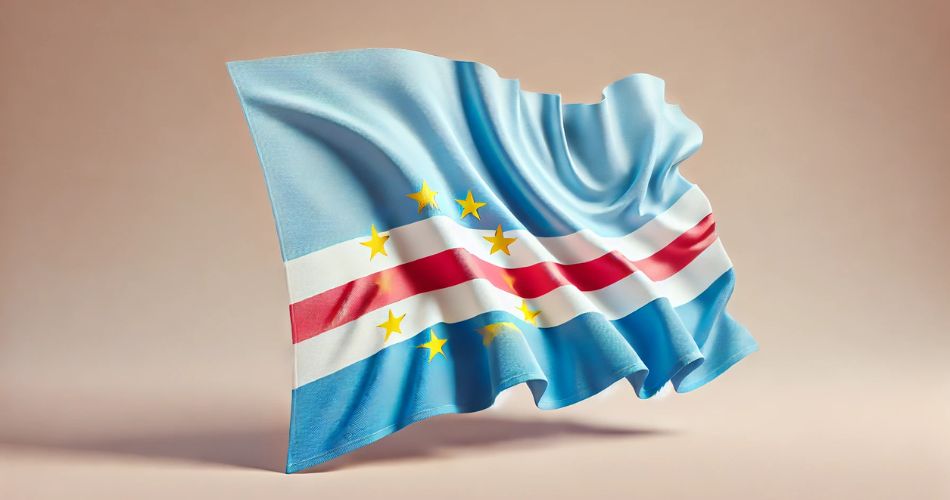
Democracy Day in Cape Verde
The holiday also reinforces national identity rooted in the islands’ mixed African and European heritage and provides an occasion for communities at home and overseas to express cultural pride. Large diaspora celebrations help keep connections between Cape Verdeans and the islands alive.
- It commemorates the formal creation of the Republic of Cape Verde on July 5, 1975.
- It recognizes the end of roughly five centuries of Portuguese colonial rule.
- It honors the political movement and figures involved in the independence process.
- It strengthens cultural ties among island residents and diaspora communities.
- It serves as an annual public holiday observed across all inhabited islands.
How to Celebrate Independence Day in Cape Verde
Make it yours
How would you like to spend Independence Day in Cape Verde?
Tick what fits you, and we will put together ideas made for this day — not for any day.
Celebrations mix official ceremonies with lively community events. Municipal and national leaders often take part in formal gatherings, while neighbourhoods host music, dance, and street festivities that highlight Cape Verdean cultural traditions.
Music plays a central role: events commonly feature traditional genres and community performances. Food is another way people celebrate; shared meals and local dishes figure in many gatherings, and families often come together to enjoy cuisine associated with Cape Verdean identity.
Mozambique Independence Day
Diaspora communities host festivals and parades that echo island celebrations, providing a chance to connect with Cape Verdean culture abroad. Wherever the day is marked, the mood tends to be joyful and outward-looking, blending remembrance with celebration and cultural pride.
- Attend or observe formal memorial segments during public ceremonies.
- Take part in educational programs that explore the history of colonial rule and the independence movement.
- Hold moments of silence or wreath-laying at memorial sites connected to the struggle.
- Organize community discussions about development goals and social needs tied to the nation’s history.
- Support local cultural institutions or causes that preserve historical memory and heritage.
Independence Day in Cape Verde Dates
| Year | Date | Day of the week |
|---|---|---|
| 2026 | July 5 | Sunday |
| 2027 next | July 5 | Monday |
| 2028 | July 5 | Wednesday |
| 2029 | July 5 | Thursday |
| 2030 | July 5 | Friday |
Côte d'Ivoire Independence Day
Sorry to hear you didn't enjoy this article...
Help us make it better!