



Independence Day in Algeria
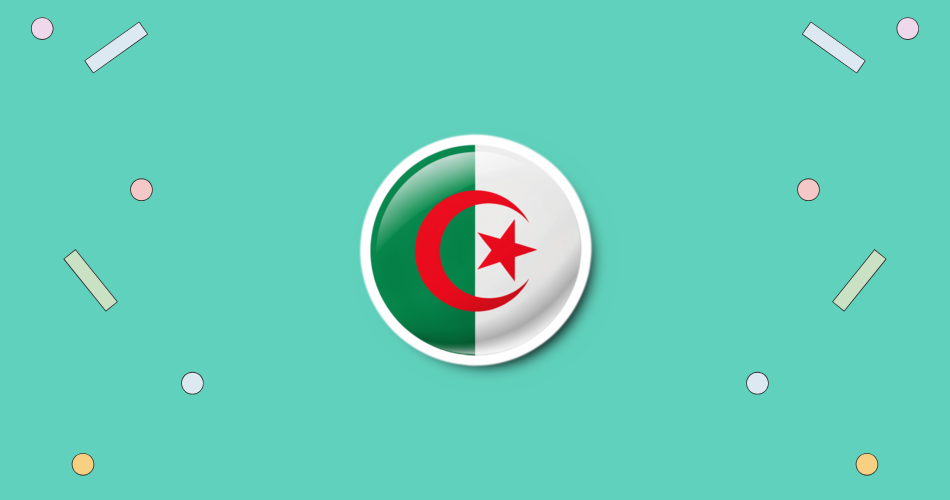
Independence Day in Algeria is celebrated on 5 July every year. In 2027, this date falls on a Monday. The green-and-white flag is flown across towns and cities as a symbol of freedom, and the day brings communities together to recall the long struggle that led to sovereignty in 1962. Official events are centered in Algiers, while Algerian communities abroad gather for cultural programs and family observances that reinforce national identity and pride.
Contents
HT Meter
Does this day matter to you?
Tap the meter if it does, and say whether you will be celebrating — that is what opens the wishes from everybody else who will be.
This day matters to me
0 Be the first to say so
Just getting started
0 Let others know you’re in.
Wishes, greetings and stories
Join the celebration to share a wish, a greeting, or how this day goes in your house.
These are kept for the people celebrating this day. Say you will be celebrating to read them and to add your own.
You have already shared something here recently.
Nothing here yet. Yours would be the first.
History of Independence Day in Algeria
The path to Algeria’s independence began with the capture of Algiers by French forces on 5 July 1830, a date that the provisional government later inverted when choosing the independence anniversary. After more than a century of colonial rule, a sustained nationalist movement emerged in the twentieth century and culminated in a full-scale war of independence launched on 1 November 1954 by the Front de Libération Nationale (FLN). The conflict was protracted and costly, and it drew international attention as a major anti-colonial struggle.
Negotiations and diplomatic moves shaped the end of the conflict. A ceasefire was agreed at Évian in March 1962, and a referendum on independence held on 1 July 1962 produced an overwhelming vote in favour. French President Charles de Gaulle formally recognised Algerian independence in early July 1962, and the provisional government selected 5 July as the official date so that the day that once marked the start of occupation would now mark its end.
Why is Independence Day in Algeria important?
Independence Day marks the restoration of Algeria’s sovereignty after a long period of foreign rule and a violent struggle for self-determination. The anniversary is central to national memory because it signals both the political achievement of independence and the social transformation that followed decolonisation. Commemorations help new generations understand the costs and significance of that transition.
Independence Day (Flag Day) in Albania
The day also reinforces unity among Algerians at home and in the diaspora. Public ceremonies, cultural events, and educational programming underline shared history and foster pride in Algerian institutions and culture. The flag’s colours and national symbols are prominent as reminders of faith, hope, and peace.
- It marks the end of more than a century of colonial rule and the establishment of national sovereignty.
- It commemorates the years of armed struggle and the sacrifices made during the war of independence.
- It reinforces national identity through public ceremonies and displays of the national flag.
- It brings together Algerian communities abroad for cultural and family celebrations.
- It provides an occasion for museums, schools, and cultural bodies to present history and heritage programs.
How to Celebrate Independence Day in Algeria
Make it yours
How would you like to spend Independence Day in Algeria?
Tick what fits you, and we will put together ideas made for this day — not for any day.
Celebrations blend festive and cultural activities. Cities host parades, official ceremonies, musical performances, and exhibitions that spotlight Algerian history, arts, and traditions. Cultural centres and museums often stage special programs that welcome families and visitors to learn more about the nation’s heritage.
At home, people join community meals and events that feature traditional dishes and music. Wearing the national colours—green and white—is a simple way to show participation. Local organisations and diaspora associations schedule seminars, film screenings, and concerts to mark the day and to share Algerian culture with wider audiences.
- Attend or observe moments of silence and official remembrance ceremonies for those lost in the conflict.
- Visit memorials, museums, or exhibitions that document the war of independence and its social impact.
- Take part in educational events, lectures, or screenings that present historical perspectives on the struggle for independence.
- Support veterans’ families, relief groups, or cultural preservation projects that keep memory and heritage alive.
- Use the day to foster respectful dialogue about history and its legacies in local communities.
Independence Day in Algeria Dates
| Year | Date | Day of the week |
|---|---|---|
| 2026 | July 5 | Sunday |
| 2027 next | July 5 | Monday |
| 2028 | July 5 | Wednesday |
| 2029 | July 5 | Thursday |
| 2030 | July 5 | Friday |
Sorry to hear you didn't enjoy this article...
Independence Day of Senegal
Help us make it better!