


National Workaholics Day
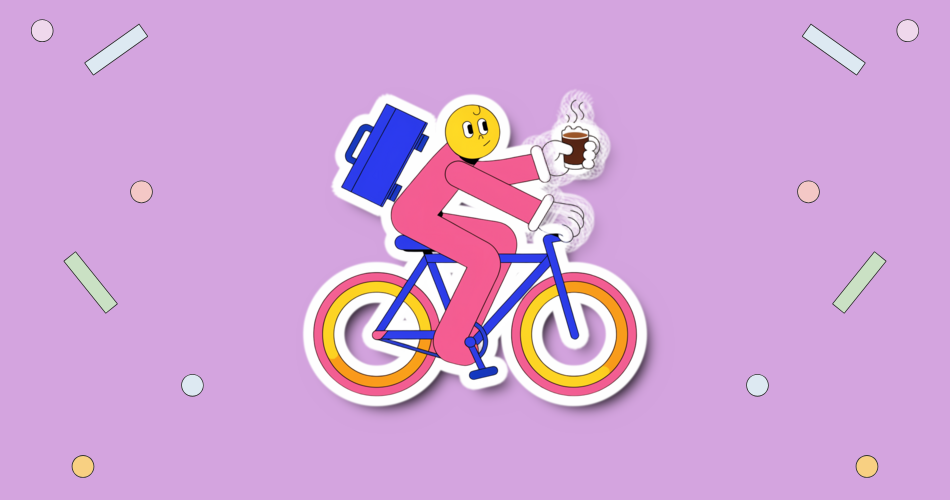
National Workaholics Day falls on July 5 each year. In 2027, this date falls on a Monday. This light-hearted observance nudges people who struggle to switch off from work to take a break, reconnect with family or friends, and recharge before returning to routine tasks. The day’s timing, immediately after July 4 in the United States, underlines its cheeky purpose: to call out the habit of working through a holiday weekend and to encourage a healthier balance between professional demands and personal time.
Contents
HT Meter
Does this day matter to you?
Tap the meter if it does, and say whether you will be celebrating — that is what opens the wishes from everybody else who will be.
This day matters to me
0 Be the first to say so
Just getting started
0 Let others know you’re in.
Wishes, greetings and stories
Join the celebration to share a wish, a greeting, or how this day goes in your house.
These are kept for the people celebrating this day. Say you will be celebrating to read them and to add your own.
You have already shared something here recently.
Nothing here yet. Yours would be the first.
History of National Workaholics Day
The precise origin of National Workaholics Day is unclear and no single founder is credited with creating it. The observance grew as a cultural response to long-hours workplace habits and the temptation to keep working through national holidays, with organizers and wellbeing groups adopting July 5 as a natural moment to remind people to log off.
The word “workaholic” itself has a longer traceable history. Early print uses date back to the mid-20th century, and the idea was popularized in literature on compulsive work in the early 1970s. Over time the term moved from clinical and academic discussion into everyday language, giving the awareness day its memorable name.
Why is National Workaholics Day important?
Behind the playful tone of the day lies a serious public-health message. Chronic overwork is linked to higher levels of stress, sleep disruption, and burnout. Observing a single day to unplug can prompt individuals and employers to consider policies and habits that protect wellbeing and reduce the risk of longer-term health problems.
National Work From Home Day
The day also offers a practical conversation starter for workplaces and families. It highlights how easy it is to let work crowd out relationships, rest, and hobbies, and it invites people to set small, maintainable boundaries that improve quality of life.
- Signals the need to prevent burnout and reduce chronic stress
- Encourages better sleep habits by promoting downtime away from work
- Reminds people to nurture relationships that work can erode
- Provides a chance for employers to model healthier expectations
- Offers a simple prompt to reassess the balance between tasks and leisure
How to Celebrate National Workaholics Day
Make it yours
How would you like to spend National Workaholics Day?
Tick what fits you, and we will put together ideas made for this day — not for any day.
Marking National Workaholics Day is about doing the opposite of habitual overwork: disconnect, relax, and enjoy non-work pleasures. Simple actions—like turning off email notifications for a day, taking a long walk, or sharing a meal with loved ones—help reclaim time that often disappears under endless to-dos.
Communities and businesses can use July 5 as an opportunity to create supportive rituals. Organize a no-meeting afternoon, offer discounted wellness or meditation sessions, or plan a team picnic to celebrate stepping away from screens and deadlines.
- Take a day off or schedule a proper afternoon free from work messages
- Share a meal with family or friends and leave devices in another room
- Try a restorative activity: a short hike, a yoga class, or a guided meditation
- Start a workplace habit: set an automatic out-of-office reply after hours
- Treat yourself to a hobby hour—read, cook, play music, or watch a favorite show
National Workaholics Day Dates
| Year | Date | Day of the week |
|---|---|---|
| 2026 | July 5 | Sunday |
| 2027 next | July 5 | Monday |
| 2028 | July 5 | Wednesday |
| 2029 | July 5 | Thursday |
| 2030 | July 5 | Friday |
Sorry to hear you didn't enjoy this article...

National Fun at Work Day
Help us make it better!