
Croatia Independence Day
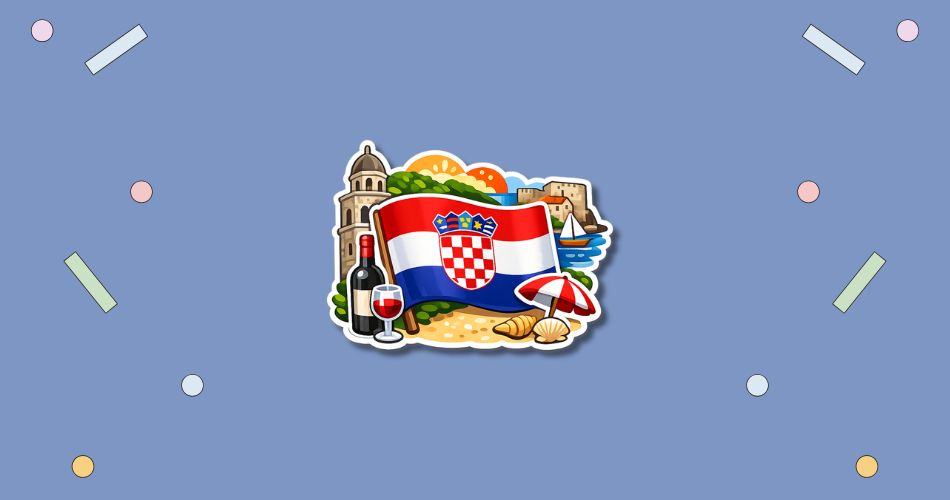
Croatia Independence Day is observed every year on June 25. In 2027, this date falls on a Friday. It is a Croatian memorial day connected with the Parliament’s historic decision on June 25, 1991, to begin the process of separation from the other Yugoslav republics. The day is not currently a public holiday, but it remains an important date in Croatia’s modern national history. It is best understood as a respectful observance of sovereignty, democratic choice, and the difficult path from Yugoslavia to an independent Croatian state. 1
Contents
HT Meter
Does this day matter to you?
Say that it does, and say whether you will be marking it. Both are anonymous to nobody but kind to everybody.
This day matters to me
0 Be the first to say so
Quietly remembered
0 Nobody has said so yet
Notes of remembrance
Join those marking this day to share a word, a memory, or the reason it matters to you.
These notes are kept for the people marking this day. Say you will be marking it to read them and to leave your own.
You have already shared a note here recently.
No notes yet. Yours would be the first.
See also: International Recognition Day in Croatia, National Croatian Wine Day
History of Croatia Independence Day
Croatia Independence Day is rooted in the events of 1991, when Croatia was still part of the Socialist Federal Republic of Yugoslavia. On May 19, 1991, Croatian citizens voted in a referendum on the country’s future status, with a very large majority supporting sovereignty and independence. On June 25, 1991, the Croatian Parliament adopted the Constitutional Decision on Sovereignty and Independence and the Declaration on the Establishment of the Sovereign and Independent Republic of Croatia. Those acts began the legal and political process of separating Croatia from Yugoslavia and seeking international recognition.
International Recognition Day in Croatia
The date has changed in public meaning over time. For years, June 25 was associated with Statehood Day, while October 8 was observed as Independence Day because that was the date in 1991 when Croatia severed its remaining state and legal ties with Yugoslavia after a three-month moratorium. Croatia later reorganized its calendar of national holidays and memorial days, and June 25 is now marked as Independence Day. Today, the observance focuses on the parliamentary decision that formally launched Croatia’s independence process, while other dates in the Croatian calendar recognize related moments in statehood, international recognition, remembrance, and the Homeland War.
Why is Croatia Independence Day important?
Croatia Independence Day matters because it marks a central legal and political step in the creation of the modern Republic of Croatia. The decision of June 25, 1991, did not happen in isolation; it followed a referendum, political negotiations, and rising tensions within a disintegrating Yugoslavia. Remembering the date helps explain why Croatia’s independence story includes several connected milestones rather than a single simple moment. It also gives readers a clearer view of why Croatia marks Statehood Day, Independence Day, and Croatian Parliament Day separately.
The observance also carries a broader civic meaning. It points to the role of public decision-making, parliamentary action, and national self-determination in a period of major political change in southeastern Europe. For Croatians and people of Croatian heritage, the day can be a moment to reflect on identity, family history, democratic institutions, and the cost of independence. For others, it offers a useful entry point into modern European history and the breakup of Yugoslavia.
- It marks a decisive step toward Croatian sovereignty.
- It connects the referendum with parliamentary action.
- It helps explain Croatia’s modern national calendar.
- It honors a serious period in Croatian history.
- It encourages careful learning about independence and statehood.
How to Observe Croatia Independence Day
Make it yours
How would you like to spend Croatia Independence Day?
Tick what fits you, and we will put together ideas made for this day — not for any day.
National Croatian Wine Day
Read about the events of 1991 and the role of the Croatian Parliament in the independence process. A good observance can include learning the difference between June 25, October 8, May 30, January 15, and August 5 in Croatia’s national calendar. People with Croatian family roots may use the day to ask relatives about migration, memory, language, or family experiences connected with Croatia. Schools, cultural groups, and community organizations can mark the date with a short discussion, a timeline, or a presentation on Croatia’s path to independence.
A more personal observance can focus on culture as well as history. Listening to Croatian music, preparing a Croatian meal, reading Croatian literature, or learning a few Croatian phrases can place the historical date within a living culture rather than treating it only as a political anniversary. Those who visit Croatia or follow Croatian affairs can also use the day to learn about Zagreb, the Sabor, and the country’s post-1991 development. The tone should remain respectful, especially because the independence period is closely connected with conflict, loss, and national remembrance.
- Read a timeline of Croatia’s independence process.
- Learn what the Croatian Sabor does.
- Look up the 1991 independence referendum.
- Talk with someone from the Croatian diaspora.
- Prepare a Croatian dish and discuss its regional roots.
Croatia Independence Day Dates
| Year | Date | Day of the week |
|---|---|---|
| 2026 | June 25 | Thursday |
| 2027 next | June 25 | Friday |
| 2028 | June 25 | Sunday |
| 2029 | June 25 | Monday |
| 2030 | June 25 | Tuesday |