
Statehood Day Slovenia
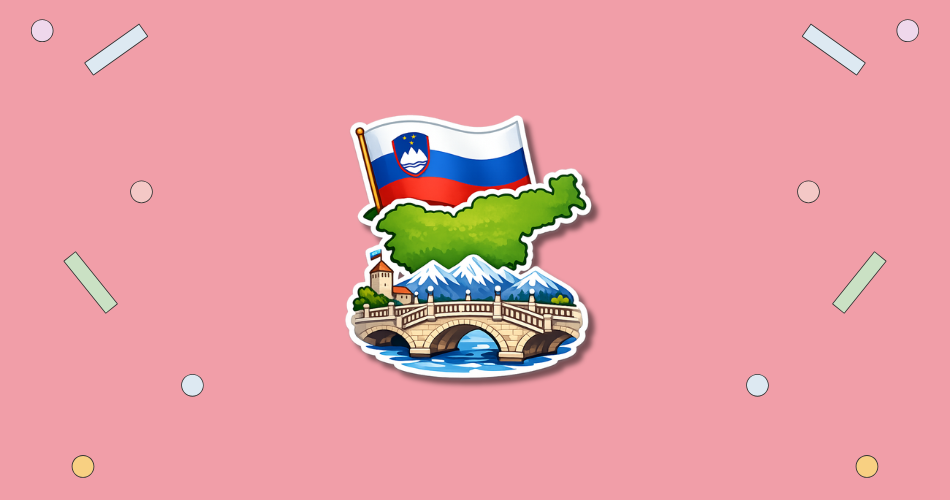
Statehood Day Slovenia is observed every year on June 25. In 2027, this date falls on a Friday. It is a Slovenian national holiday that commemorates the country’s declaration of independence and the adoption of key independence acts in 1991. The day has a civic and historical tone, with attention on statehood, national symbols, and the development of the modern Republic of Slovenia. It is a day for national pride, public remembrance, and learning about the events that moved Slovenia from a Yugoslav republic to an independent state. 1 2 3
Contents
See also: Sovereignty Day in Slovenia, Slovenia Independence and Unity Day
HT Meter
Does this day matter to you?
Tap the meter if it does, and say whether you will be celebrating — that is what opens the wishes from everybody else who will be.
This day matters to me
0 Be the first to say so
Just getting started
0 Let others know you’re in.
Wishes, greetings and stories
Join the celebration to share a wish, a greeting, or how this day goes in your house.
These are kept for the people celebrating this day. Say you will be celebrating to read them and to add your own.
You have already shared something here recently.
Nothing here yet. Yours would be the first.
History of Statehood Day Slovenia
Slovenia’s move toward independence followed major political changes at the end of the 1980s and the first multi-party elections held in April 1990. A plebiscite on independence took place on December 23, 1990, and a large majority of voters supported an independent Slovenia. On June 25, 1991, the Slovenian Assembly adopted the fundamental independence acts, including the Declaration of Independence and the Basic Constitutional Charter on the Sovereignty and Independence of the Republic of Slovenia. The formal public declaration followed on June 26, and the Yugoslav People’s Army attacked on June 27, beginning the Ten-Day War.
Slovenia Independence and Unity Day
Statehood Day is tied to June 25 because that was the day the central legal steps toward independence were adopted. The holiday is known in Slovenian as Dan državnosti and is recognized as a national holiday in the Republic of Slovenia. It is distinct from Independence and Unity Day on December 26, which is connected with the announcement of the 1990 plebiscite results. Today, the day connects Slovenia’s modern statehood with public ceremonies, flag display, civic reflection, and the memory of a decisive moment in the country’s recent history.
Why is Statehood Day Slovenia important?
Statehood Day matters because it marks the legal and political moment when Slovenia took the decisive step toward becoming an independent state. The holiday gives citizens a clear annual date for remembering the choices, institutions, and public support behind that transition. It also places attention on the responsibilities that come with statehood, including democratic government, national symbols, public service, and the protection of civic life. For visitors and younger generations, the day is a useful entry point into Slovenia’s twentieth-century history.
The holiday also helps explain why independence in Slovenia is remembered through more than one public date. June 25 is connected with the adoption of independence acts, while December 26 recalls the announcement of the plebiscite results that showed popular support for independence. Together, those dates show that Slovenia’s statehood was both a legal process and a public decision. Statehood Day therefore carries meaning beyond a day off work; it is part of how the country tells the story of its modern political identity.
- It marks Slovenia’s declaration of independence in 1991.
- It honors the legal foundations of the modern Slovenian state.
- It keeps recent national history visible to younger generations.
- It highlights the role of democratic choice in independence.
- It connects public ceremonies with national symbols and civic memory.
How to Celebrate Statehood Day Slovenia
Make it yours
How would you like to spend Statehood Day Slovenia?
Tick what fits you, and we will put together ideas made for this day — not for any day.
Sovereignty Day in Slovenia
Display the Slovenian flag where it is appropriate, read a short account of the independence period, or watch a public address or cultural program connected with the holiday. Families can use the day to talk about what happened in 1990 and 1991, especially the plebiscite, the independence acts, and the Ten-Day War. Schools, community groups, and cultural organizations can approach the holiday through history lessons, exhibitions, music, speeches, or visits to places connected with public life. Travelers in Slovenia should remember that Statehood Day is a public holiday, so many offices, schools, and businesses may be closed.
A thoughtful celebration does not need to be formal. Reading about Slovenia’s national symbols, listening to Slovenian music, visiting a museum, or learning a few words in Slovene can make the day more meaningful. People with Slovenian heritage may use the holiday to explore family history or share stories about migration, language, and identity. The strongest approach is respectful and informed, with attention to both the achievement of independence and the difficult period that followed it.
- Raise or display the Slovenian flag respectfully.
- Read about the events of June 1991.
- Visit a museum or historical exhibition in Slovenia.
- Learn the meaning of Dan državnosti.
- Share a conversation about Slovenian identity and statehood.
Statehood Day Slovenia Dates
| Year | Date | Day of the week |
|---|---|---|
| 2026 | June 25 | Thursday |
| 2027 next | June 25 | Friday |
| 2028 | June 25 | Sunday |
| 2029 | June 25 | Monday |
| 2030 | June 25 | Tuesday |