
Independence Day in Slovakia
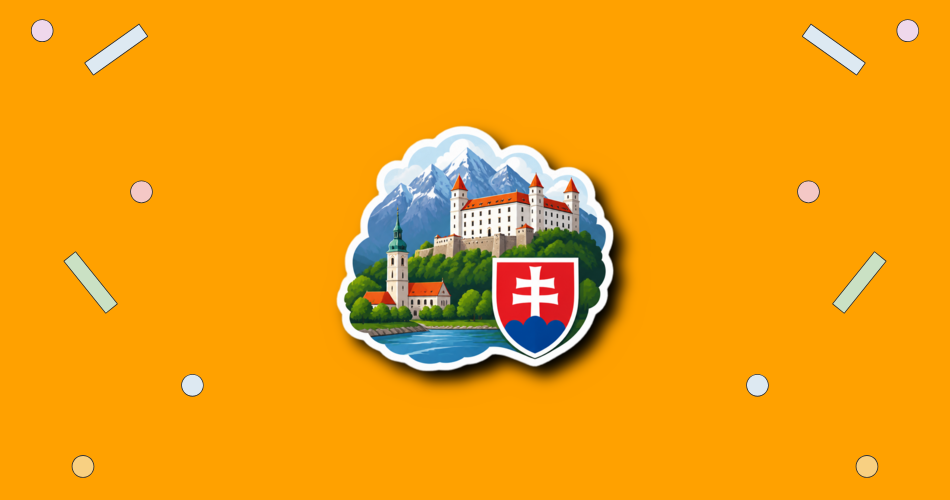
Independence Day in Slovakia is celebrated on July 17. In 2027, this date falls on a Saturday. This day commemorates the adoption of the Declaration of Sovereignty by the National Council of the Slovak Republic in 1992 and stands as a moment to remember Slovakia’s path toward statehood while recognizing the later formal establishment of the independent Slovak Republic at the start of 1993. The date is observed as a day of national remembrance rather than a full public holiday that suspends work nationwide.
Contents
HT Meter
Does this day matter to you?
Tap the meter if it does, and say whether you will be celebrating — that is what opens the wishes from everybody else who will be.
This day matters to me
0 Be the first to say so
Just getting started
0 Let others know you’re in.
Wishes, greetings and stories
Join the celebration to share a wish, a greeting, or how this day goes in your house.
These are kept for the people celebrating this day. Say you will be celebrating to read them and to add your own.
You have already shared something here recently.
Nothing here yet. Yours would be the first.
History of Independence Day in Slovakia
The modern origins of this observance trace to political changes after 1989, when the Velvet Revolution ended the communist regime and set the stage for constitutional and national discussions. In 1990 the federal arrangement of Czechoslovakia recognized the Czech Republic and the Slovak Republic as constituent parts, and national debates over sovereignty continued through the early 1990s.
Following the 1992 parliamentary elections, the National Council of the Slovak Republic adopted the Declaration of Sovereignty on July 17, 1992. This declaration asserted Slovak institutions’ authority and identity within the federation; the final, peaceful dissolution of Czechoslovakia took effect on January 1, 1993, when Slovakia became an independent state in its current form.
Why is Independence Day in Slovakia important?
The day offers a focal point for reflecting on constitutional change and the political steps that led to the Slovak Republic’s modern status. It recalls a period of rapid transition in which new laws and institutions were discussed and put into effect, shaping the country’s democratic development.
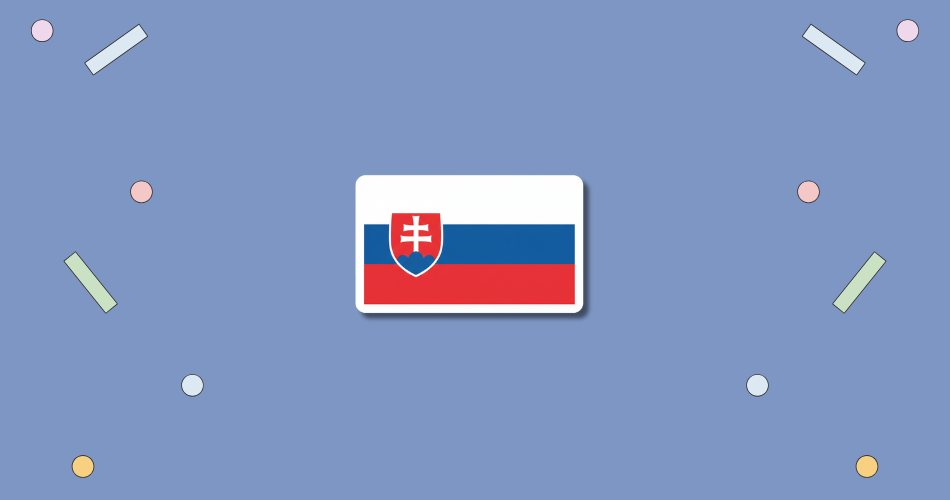
Day of the Establishment of the Slovak Republic
Even though the full establishment of statehood is observed on January 1, the July 17 anniversary matters because it marks the formal declaration that set sovereignty as a political goal. It remains a day for civic reflection and for understanding the legal and political decisions that preceded formal independence.
- It highlights the Declaration of Sovereignty adopted by the National Council on July 17, 1992.
- It connects recent democratic reforms to the legal steps taken during the early 1990s.
- It provides an occasion for civic education about the country’s constitutional evolution.
- It distinguishes a political milestone from the legal date of full independence, observed on January 1, 1993.
- It is observed as a remembrance day even though it is generally a working day.
How to Celebrate Independence Day in Slovakia
Make it yours
How would you like to spend Independence Day in Slovakia?
Tick what fits you, and we will put together ideas made for this day — not for any day.
Celebrate the day by taking part in local cultural offerings and community events that highlight Slovak history and arts. Small public concerts, exhibitions at museums or cultural centers, and community gatherings can be ways to mark the anniversary with positive attention to national literature, music, and visual arts.
Families and friends can share meals that bring people together and use the occasion to discuss civic history with younger generations. Civic groups and educational organizations often use the date to run talks or workshops that explain the declaration’s role and the subsequent steps that led to the Slovak Republic’s establishment.
- Attend a local cultural program or visit a museum exhibit focused on modern Slovak history.
- Fly the national flag or display modest decorations to show civic pride and unity.
- Share a meal with family and talk about recent national history and civic responsibilities.
- Participate in or organize a community talk, reading, or educational event about the 1992 declaration.
- Support or visit local artists and cultural institutions that present Slovak heritage and contemporary work.
Independence Day in Slovakia Dates
| Year | Date | Day of the week |
|---|---|---|
| 2026 | July 17 | Friday |
| 2027 next | July 17 | Saturday |
| 2028 | July 17 | Monday |
| 2029 | July 17 | Tuesday |
| 2030 | July 17 | Wednesday |
Sorry to hear you didn't enjoy this article...
Anniversary of the Declaration of the Slovak Nation
Help us make it better!