
America’s Kids Day
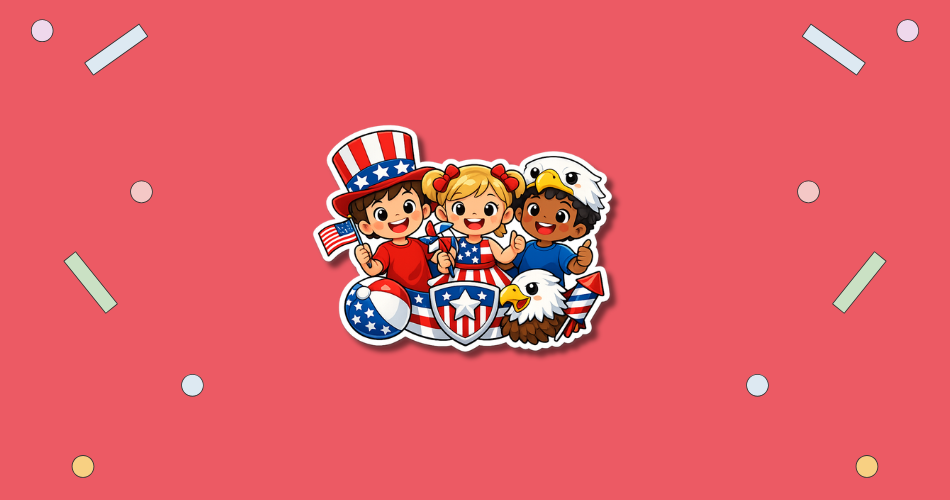
America’s Kids Day is observed on the fourth Sunday in June. In 2027, this date falls on June 27. The day focuses on helping children learn about American history, civic values, national symbols, and the people who shaped the country. It also places attention on children as future citizens, neighbors, students, and leaders. Because it falls near Independence Day, the observance naturally connects family learning with the ideas, documents, and stories behind the United States. 1
Contents
See also: Global Hug Your Kids Day, National Children’s Day, World Children’s Day (Universal Children’s Day), Stand For Children Day, Children of Fallen Patriots Day, National Love Our Children Day
HT Meter
Does this day matter to you?
Say that it does, and say whether you will be marking it. Both are anonymous to nobody but kind to everybody.
This day matters to me
0 Be the first to say so
Quietly remembered
0 Nobody has said so yet
Notes of remembrance
Join those marking this day to share a word, a memory, or the reason it matters to you.
These notes are kept for the people marking this day. Say you will be marking it to read them and to leave your own.
You have already shared a note here recently.
No notes yet. Yours would be the first.
History of America’s Kids Day
America’s Kids Day is tied to a children-and-family awareness effort from the late 1990s associated with Judith Natale and the National Children & Family Awareness Council of America*USA. Early materials connected with the observance describe it as part of Children’s Awareness Month and identify the fourth Sunday in June as the annual date. A 2001 America’s Kids Day/Week proclamation framed the observance around teaching children about their heritage and the Declaration of Independence. Those materials also carried a more serious note, asking families to remember children lost to violence, drowning, abduction, and other tragedies.

National Children’s Day
The modern focus of America’s Kids Day is educational and civic rather than commercial. It points families toward American history, public service, historic sites, museums, and the responsibilities that come with citizenship. The day is not a federal holiday, and it is not widely marked with large public ceremonies. Its usefulness comes from its simple purpose: helping adults slow down long enough to teach children about the country they are growing up in.
Why is America’s Kids Day important?
America’s Kids Day matters because children often first understand civic life through family conversations, school lessons, local places, and stories about real people. Learning about the Declaration of Independence, the Constitution, the flag, voting, public service, and national leaders can make history feel less distant. It also gives children a clearer sense that citizenship includes both rights and responsibilities. A thoughtful observance can turn abstract words into questions, examples, and experiences that children can understand.
The day also recognizes that children are not only students of history; they are part of the country’s future. Talking with them about courage, fairness, service, freedom, and responsibility gives those values practical meaning. The observance can be especially useful when it includes many kinds of American stories, including people from different backgrounds, regions, and communities. That wider approach helps children see the country as something shaped by many voices.
- Children learn civic ideas through real conversations.
- Families can connect history with daily life.
- Local places can make national stories easier to understand.
- The day supports curiosity about rights and responsibilities.
- It gives adults a reason to listen to children’s questions.
How to Observe America’s Kids Day
Make it yours
How would you like to spend America's Kids Day?
Tick what fits you, and we will put together ideas made for this day — not for any day.
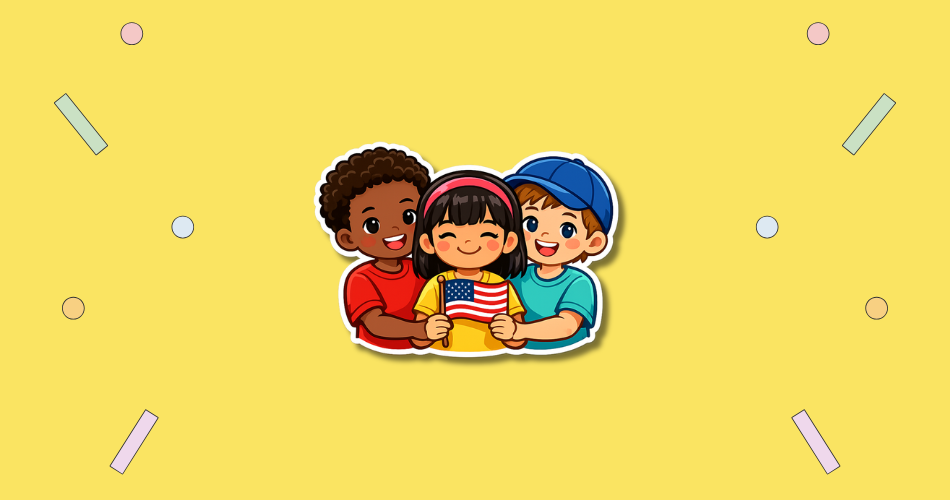
Multicultural American Child Awareness Day
Read a short passage from the Declaration of Independence, look at a child-friendly copy of the Constitution, or talk about what the flag, national anthem, and Pledge of Allegiance mean. Visit a local museum, historic marker, courthouse, library, veterans memorial, fire station, or post office to show how history and public service connect with everyday community life. A family can also choose one American figure to learn about together, from a president or inventor to a civil rights leader, explorer, artist, or local community builder. Keep the conversation age-appropriate and invite children to ask what seems fair, confusing, inspiring, or important.
The day can also include reflection on children’s safety, dignity, and well-being. Early materials for the observance included remembrance for children who died or went missing, so a respectful tone fits alongside the civic learning. Adults can use the day to check in with children, ask what makes them feel safe, and talk about how communities protect young people. A small service project, thank-you note, or family discussion about helping others can give the observance a practical purpose.
- Read a children’s book about American history.
- Visit a nearby historic site or public building.
- Talk about one right and one responsibility.
- Learn the story behind a national symbol.
- Help a child write a question about America.
America’s Kids Day Dates
| Year | Date | Day of the week |
|---|---|---|
| 2026 | June 28 | Sunday |
| 2027 next | June 27 | Sunday |
| 2028 | June 25 | Sunday |
| 2029 | June 24 | Sunday |
| 2030 | June 23 | Sunday |