
Emergency Medical Services for Children Day (EMSC)
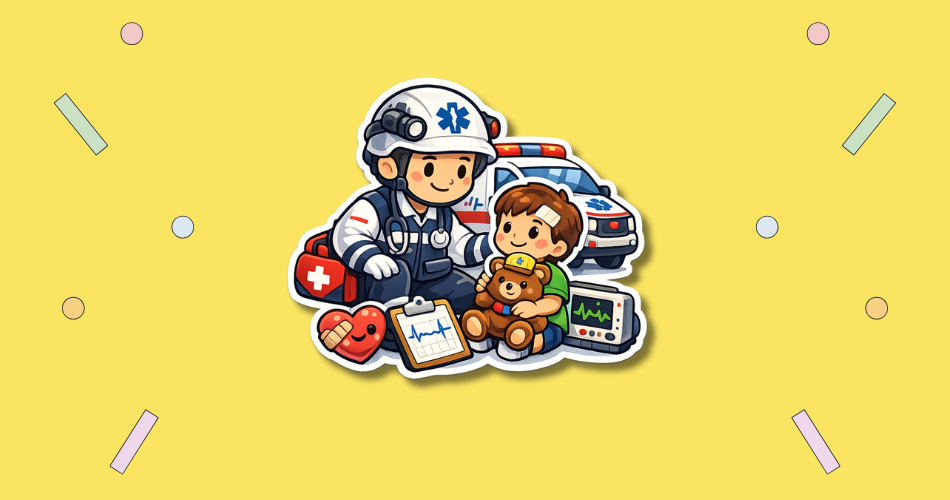
Emergency Medical Services for Children Day (EMSC) is observed on the third Wednesday of May. In 2027, this date falls on May 19. The observance focuses on pediatric emergency care and the EMS clinicians, emergency nurses, physicians, dispatchers, transport teams, and public health partners who help children during medical crises. It is connected with National EMS Week and highlights the fact that children need equipment, training, communication, and treatment plans designed for their age and size. The tone of the day is appreciative, educational, and awareness-based rather than festive. 1
Contents
HT Meter
Does this day matter to you?
Say that it does, and say whether you will be marking it. Both are anonymous to nobody but kind to everybody.
This day matters to me
0 Be the first to say so
Quietly remembered
0 Nobody has said so yet
Notes of remembrance
Join those marking this day to share a word, a memory, or the reason it matters to you.
These notes are kept for the people marking this day. Say you will be marking it to read them and to leave your own.
You have already shared a note here recently.
No notes yet. Yours would be the first.
History of Emergency Medical Services for Children Day (EMSC)
Emergency Medical Services for Children grew from a real gap in emergency care. Early EMS systems in the United States were shaped largely around adult emergencies, including cardiac arrest and trauma response, while pediatric needs were often less visible. In the late 1970s, Calvin Sia, MD, and other pediatric advocates pushed for EMS systems that could better reduce illness, injury, disability, and death in children. Federal EMSC legislation followed in 1984, and the program began building state-level capacity for pediatric emergency care.
Emergency Medical Services for Children Day later became part of National EMS Week. The day places attention on the child-specific side of emergency medicine: pediatric equipment in ambulances and emergency departments, age-appropriate assessment, pediatric medication safety, trauma care, disaster readiness, and transfer systems for children who need specialized care. Today, the observance is closely tied to pediatric readiness and to the work of the federal EMSC Program, which supports research, partnerships, and improvement efforts across emergency care systems. It is also a moment to recognize the professionals who care for children before they reach the hospital and after they arrive.
Why is Emergency Medical Services for Children Day (EMSC) important?
Children are not simply smaller adults in emergency medicine. Their airways, medication doses, vital signs, emotional responses, and injury patterns can differ greatly from those of adults, which means emergency teams need pediatric training and properly sized tools. A child in respiratory distress, a toddler with a head injury, or a teen in a mental health crisis may require different preparation than an adult patient. EMSC Day helps keep those practical needs in public view.
Emergency Medical Services Day
The observance also matters because emergency care depends on systems, not only individual skill. Dispatchers, EMS crews, emergency departments, trauma centers, nurses, physicians, state EMS offices, and families all affect what happens during the first minutes and hours of a pediatric emergency. Strong pediatric readiness can improve communication, reduce delays, and help children receive the right care at the right place. The day gives communities a reason to ask whether their local emergency systems are prepared for children.
- Children need emergency care built around their bodies and development.
- Pediatric equipment and medication dosing must be ready before a crisis.
- EMS clinicians deserve recognition for difficult child emergencies.
- Families benefit when emergency systems communicate clearly.
- Prepared communities can respond faster and more safely.
How to Observe Emergency Medical Services for Children Day (EMSC)
Make it yours
How would you like to spend Emergency Medical Services for Children Day (EMSC)?
Tick what fits you, and we will put together ideas made for this day — not for any day.
Thank local EMS clinicians, emergency department staff, pediatric transport teams, and dispatchers who serve children in urgent situations. Health care organizations can use the day for pediatric readiness reviews, skills refreshers, equipment checks, or short training sessions on child-specific emergencies. Parents and caregivers can review basic emergency information, including when to call 911, where local pediatric emergency services are available, and what medical details should be shared during an emergency. Schools, childcare providers, and youth programs can also update emergency contacts and care plans for children with special health needs.
A thoughtful observance should focus on preparation, respect, and practical awareness. Community agencies can share child safety information, support injury prevention efforts, or invite EMS professionals to speak about what families can do before help arrives. Medical teams can use the day to strengthen relationships between EMS, hospitals, public health, and pediatric specialists. Even a simple message of thanks can matter, especially for professionals who handle stressful calls involving children.
- Check pediatric supplies in emergency kits.
- Thank an EMS crew in your community.
- Review a child’s emergency medical information.
- Share local 911 guidance with caregivers.
- Support pediatric readiness training when possible.
Emergency Medical Services for Children Day (EMSC) Dates
| Year | Date | Day of the week |
|---|---|---|
| 2026 | May 20 | Wednesday |
| 2027 next | May 19 | Wednesday |
| 2028 | May 17 | Wednesday |
| 2029 | May 16 | Wednesday |
| 2030 | May 15 | Wednesday |
Sorry to hear you didn't enjoy this article...
Emergency Nurses Day
Help us make it better!