



Feast of the Assumption
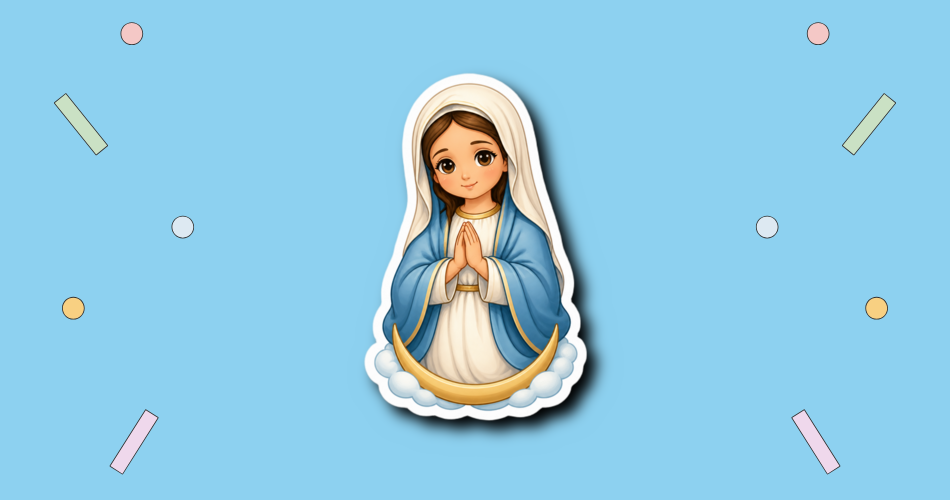
Feast of the Assumption is celebrated annually on August 15. In 2027, this date falls on a Sunday. Catholics and many Christians worldwide observe this solemn yet joyous holy day, which commemorates the Virgin Mary’s bodily ascent into heaven at the end of her earthly life.
Contents
HT Meter
Does this day matter to you?
Tap the meter if it does, and say whether you will be celebrating — that is what opens the wishes from everybody else who will be.
This day matters to me
0 Be the first to say so
Just getting started
0 Let others know you’re in.
Wishes, greetings and stories
Join the celebration to share a wish, a greeting, or how this day goes in your house.
These are kept for the people celebrating this day. Say you will be celebrating to read them and to add your own.
You have already shared something here recently.
Nothing here yet. Yours would be the first.
History of Feast of the Assumption
The Feast of the Assumption has roots that stretch back to the early centuries of Christianity. In the third and early fourth centuries, apocryphal writings mused upon the Dormition and Assumption of Mary, though none attained dogmatic status. Bishop Epiphanius of Salamis, writing in the fourth century, identified three factions of belief but could not establish a broad consensus, concluding, “No one knows her end.” By the eighth century, an apocryphal text called the “Transitus Mariae” had become so generally accepted that John of Damascus was able to establish its storyline as the official account within the church.
In the West, Pope Sergius I encouraged celebrations for the Feast of the Assumption in the eighth century, and Pope Leo IV later confirmed the feast as official. The church never pointed to concrete historical or explicit Biblical evidence—the Biblical citations are metaphorical—nor fully admitted the story’s reliance on apocrypha. Despite this, the holiday has thrived. In 1950, Pope Pius XII defined the Assumption of Mary as a dogma of faith through the apostolic constitution Munificentissimus Deus.
Why is Feast of the Assumption important?
The Feast of the Assumption is a major part of the Catholic faith. Catholics believe that the decaying of the human body after death results from the decedent’s sins during life. Since Mary was without sin, it makes canonical sense for her to have ascended bodily. The New Advent Encyclopedia states that the Feast of the Assumption was first celebrated before the year 500 in Palestine, making the holiday over 1,500 years old.
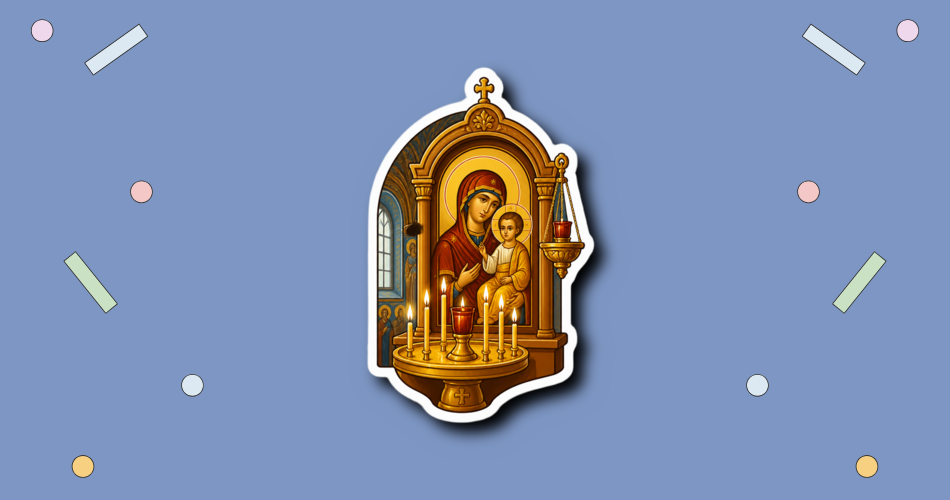
St Mary's Day
John of Damascus wrote that although Mary had died with the apostles nearby, when her body was later requested by the Roman Emperor and the tomb was opened, the tomb was empty. This led the apostles to believe that Mary had miraculously been taken up to heaven. The day also holds deep cultural significance, with traditions varying across countries.
- It commemorates the Virgin Mary’s bodily ascent into heaven, a central dogma of the Catholic faith.
- The holiday has been celebrated for over 1,500 years, dating back to before the year 500 in Palestine.
- The Assumption is distinct from the Ascension: the Assumption refers to Mary’s ascent by God’s power, while the Ascension marks Jesus’s own ascent by his divine power.
- In many countries, the day is marked with colorful festivals, street processions, and fireworks displays.
- The Virgin Mary is honored as the first believer in the resurrection of Christ and “the first fruit” of a great future harvest.
How to Celebrate Feast of the Assumption
Make it yours
How would you like to spend Feast of the Assumption?
Tick what fits you, and we will put together ideas made for this day — not for any day.
Catholics are encouraged to attend Mass, as it is a Holy Day of Obligation in many years. However, in 2026, because August 15 falls on a Saturday, the obligation to attend Mass is abrogated for dioceses in the United States according to the USCCB liturgical calendar. Still, many faithful choose to participate in mass, local processions, or offer prayers to honor the event. You can also plant a Mary garden—a tradition in Europe—with a small statue of Mary standing over common herbs. The day is called a “Feast” for a reason, so making plans for a special meal, cooking at home, or volunteering at a soup kitchen are all fitting ways to observe.
Every country that celebrates the Feast of the Assumption has its charming traditions. In Poland, it is known as the Feast of Our Lady of Herbs, with bouquets of blossoms and herbs taken to church. In Sicily, partial or complete abstinence from fruit is observed during the first two weeks of August, and on the feast day, all types of fruit are blessed at church and indulged. In France, the statue of Mary is carried in processions with great splendor, accompanied by peals of church bells and hymns. Many communities host parades with marching bands, funfairs, games, races, and costume contests.
- Attend a Mass at your local Catholic church to honor the Virgin Mary.
- Plant a Mary garden featuring a small statue of Mary and common herbs.
- Enjoy a special meal—cook at home, dine out, or volunteer at a soup kitchen.
- Participate in local processions, street festivals, or community gatherings.
- Bless the harvest or arrange a bouquet of herbs and blossoms to take to church.
Feast of the Assumption Dates
| Year | Date | Day of the week |
|---|---|---|
| 2026 | August 15 | Saturday |
| 2027 next | August 15 | Sunday |
| 2028 | August 15 | Tuesday |
| 2029 | August 15 | Wednesday |
| 2030 | August 15 | Thursday |
Sorry to hear you didn't enjoy this article...
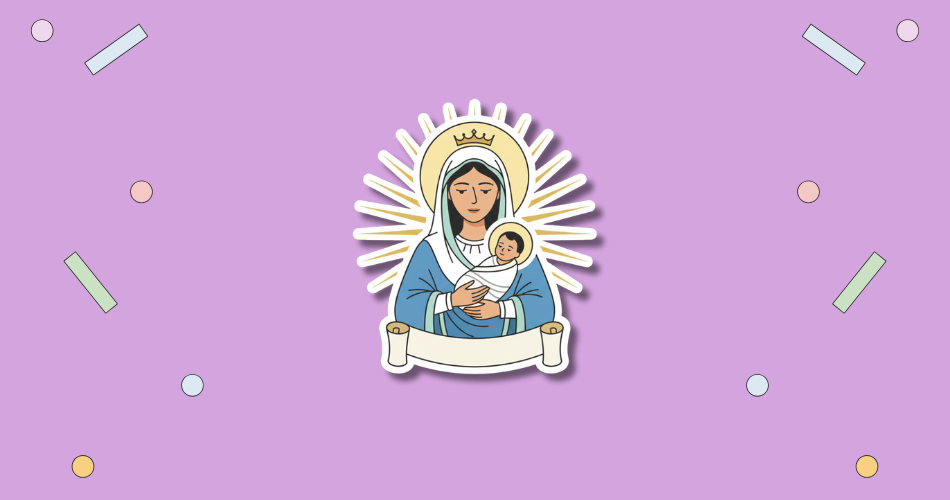
Solemnity of Mary
Help us make it better!

Cook it
Make something for Feast of the Assumption
Tell us what you feel like making and what you have to work with, and we will write one recipe for it.