



St Mary’s Day
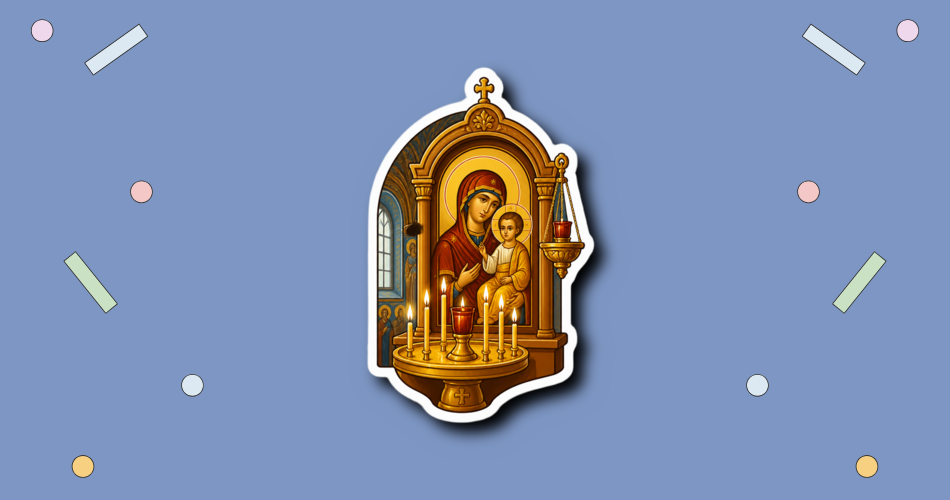
St Mary's Day is celebrated annually on August 15. In 2027, this date falls on a Sunday. This national holiday in Romania honors the Christian belief that the Virgin Mary was assumed into heaven after her death.
Contents
HT Meter
Does this day matter to you?
Tap the meter if it does, and say whether you will be celebrating — that is what opens the wishes from everybody else who will be.
This day matters to me
0 Be the first to say so
Just getting started
0 Let others know you’re in.
Wishes, greetings and stories
Join the celebration to share a wish, a greeting, or how this day goes in your house.
These are kept for the people celebrating this day. Say you will be celebrating to read them and to add your own.
You have already shared something here recently.
Nothing here yet. Yours would be the first.
History of St Mary's Day
The observance of St Mary's Day dates back to early Christian traditions surrounding the Dormition of the Mother of God. According to historical records, the feast has been celebrated for centuries, with the date of August 15 becoming widely recognized across Eastern and Western Christianity. In Romania, the day holds particular significance as a public holiday, reflecting the country's deep Orthodox Christian heritage.
Over time, the celebration evolved to include both religious ceremonies and cultural customs. Churches hold special liturgies, and communities gather to honor Mary's role in salvation history. The feast is also known as the Assumption of the Virgin Mary, emphasizing the belief that she was taken body and soul into heavenly glory.
Why is St Mary's Day important?
St Mary's Day is a major religious observance for millions of Christians, particularly in Orthodox countries like Romania. It commemorates a core doctrine of the faith: the belief that Mary, as the mother of Jesus, was granted a unique honor at the end of her earthly life. The day serves as a reminder of the hope of resurrection and eternal life for all believers.
Feast of the Assumption
Beyond its theological significance, the holiday strengthens family and community bonds. Many Romanians use the day to attend church services, visit relatives, and participate in local festivities. It is a time for reflection, gratitude, and renewal of faith.
- The feast marks the Dormition (falling asleep) of the Virgin Mary, a key event in Orthodox tradition.
- It is a national public holiday in Romania, allowing widespread participation in religious and cultural events.
- The day emphasizes Mary's role as an intercessor and model of faith for Christians.
- It provides an opportunity for families to gather and share meals, often featuring traditional Romanian dishes.
- The celebration reinforces cultural identity and religious continuity across generations.
How to Celebrate St Mary's Day
Make it yours
How would you like to spend St Mary's Day?
Tick what fits you, and we will put together ideas made for this day — not for any day.
Celebrating St Mary's Day in Romania typically begins with attending a special church service. Many Orthodox churches hold elaborate liturgies that include hymns, prayers, and processions. After the service, families often return home for a festive meal, which may include dishes like sarmale (cabbage rolls) and cozonac (sweet bread). Some communities organize fairs, concerts, or outdoor gatherings to mark the occasion.
For those who cannot attend church, personal reflection and prayer are meaningful ways to observe the day. Lighting a candle at home or reading passages about Mary's life can help connect with the spiritual significance. In some regions, people also visit cemeteries to honor deceased loved ones, as the feast is associated with remembrance of the departed.
- Attend a Divine Liturgy at a local Orthodox church.
- Prepare a traditional Romanian meal with family and friends.
- Light a candle and say a prayer in honor of the Virgin Mary.
- Participate in community events such as parades or cultural festivals.
- Spend time with family, sharing stories and expressing gratitude.
St Mary's Day Dates
| Year | Date | Day of the week |
|---|---|---|
| 2026 | August 15 | Saturday |
| 2027 next | August 15 | Sunday |
| 2028 | August 15 | Tuesday |
| 2029 | August 15 | Wednesday |
| 2030 | August 15 | Thursday |
Sorry to hear you didn't enjoy this article...
Immaculate Conception Day
Help us make it better!