
Flag Day in American Samoa
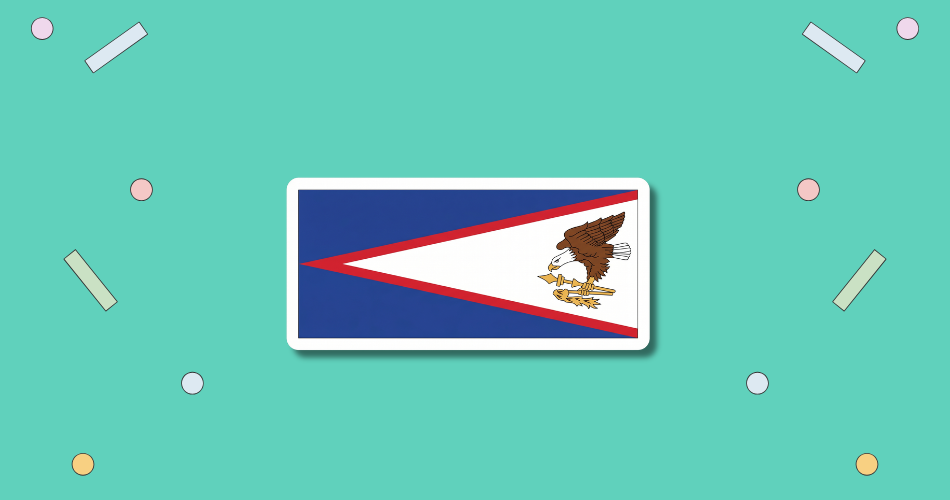
Flag Day in American Samoa is observed annually on April 17. In 2027, this date falls on a Saturday. This public holiday commemorates the official raising of the United States flag on Tutuila island in 1900, marking the beginning of the territory’s formal relationship with the United States. It is the most significant secular celebration in the islands, blending American patriotic symbols with deep-seated Samoan cultural traditions. The day serves as a formal acknowledgement of the Deed of Cession, where local chiefs voluntarily ceded the islands to the U.S. government for protection and administration. Today, the event highlights the unique political status of the islands and the dual identity of its people, who maintain their traditional communal land and chief systems while remaining a vital part of the American family.
Contents
Read also about Pan American Day, Americas Day
HT Meter
Does this day matter to you?
Tap the meter if it does, and say whether you will be celebrating — that is what opens the wishes from everybody else who will be.
This day matters to me
0 Be the first to say so
Just getting started
0 Let others know you’re in.
Wishes, greetings and stories
Join the celebration to share a wish, a greeting, or how this day goes in your house.
These are kept for the people celebrating this day. Say you will be celebrating to read them and to add your own.
You have already shared something here recently.
Nothing here yet. Yours would be the first.
History of Flag Day in American Samoa
The historical foundation of this day was established on April 17, 1900, when the traditional high chiefs of Tutuila and Aunu’u signed the Deed of Cession. This act followed decades of international tension between the United States, Germany, and Great Britain over control of the Samoan islands. Upon the signing, the American flag was hoisted for the first time at Sogelau Hill in Fagatogo. Four years later, the islands of the Manu’a group also joined the territory, completing the union that exists today.
Samoa Independence Day
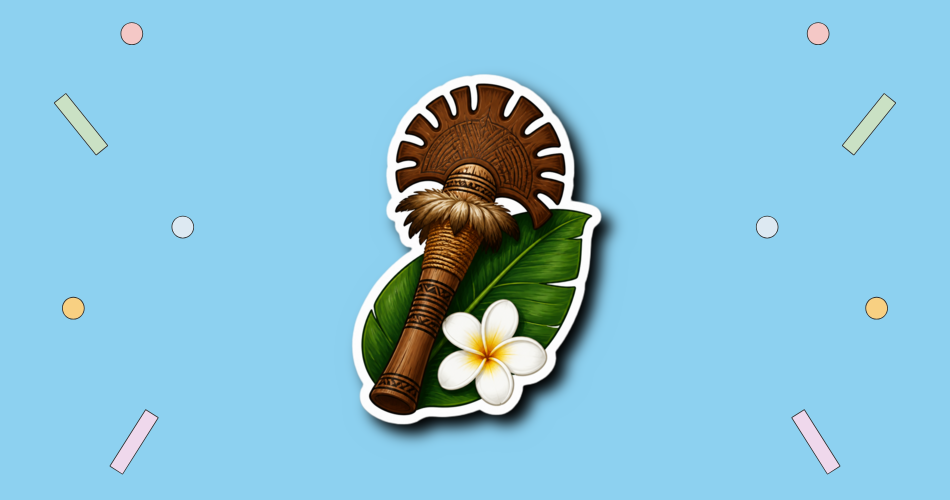
While the U.S. Navy initially managed the islands’ affairs, the local governance transitioned to the Department of the Interior in 1951. In 1960, a specific flag for American Samoa was officially adopted on this anniversary, featuring an American bald eagle clutching traditional Samoan symbols: the fue (fly whisk) and the uatogi (war club). This design choice represented the merging of two cultures. Over the last century, Flag Day has evolved from a small military ceremony into a massive multi-day festival that reinforces the “fa’a Samoa”—the traditional Samoan way of life—within the context of American sovereignty.
Why is Flag Day in American Samoa important?
This day is vital because it reinforces the voluntary nature of the bond between American Samoa and the United States. Unlike many territories, American Samoa’s relationship began with a formal agreement from local leaders to seek U.S. protection while preserving their own cultural laws and land ownership rights. Celebrating this anniversary allows the community to reflect on their unique status as U.S. nationals and their significant contributions to the U.S. military, as the islands often boast the highest enlistment rates per capita of any American jurisdiction.
Beyond politics, the holiday is a crucial mechanism for cultural preservation. It provides a grand stage for the younger generation to perform traditional dances and songs that tell the history of their ancestors. The event brings families together from across the various islands and the global Samoan diaspora, fostering a sense of national pride and unity. It is a time when the modern world pauses to honor the “matai” (chief) system and the enduring strength of the Samoan family structure.
- It commemorates the 1900 Deed of Cession and the first U.S. flag raising.
- The holiday celebrates the harmony between American law and Samoan tradition.
- Large-scale festivities promote local tourism and economic activity.
- It honors the service and sacrifice of Samoan men and women in the armed forces.
- The day provides a platform for traditional arts, including siva (dance) and weaving.
How to Celebrate Flag Day in American Samoa
Make it yours
How would you like to spend Flag Day in American Samoa?
Tick what fits you, and we will put together ideas made for this day — not for any day.

Manu’a Cession Day (in lieu)
Observance usually begins with a massive parade at the Veterans Memorial Stadium, featuring government agencies, schools, and religious groups. The morning ceremony includes the simultaneous raising of both the U.S. and American Samoan flags, accompanied by the singing of both national anthems. One of the most physically demanding and popular events is the “fautasi” race, where longboats powered by dozens of rowers compete in the open ocean. These races are the result of months of intense training and represent the pride of different villages.
In the days leading up to the main event, the islands undergo extensive beautification, with residents painting retaining walls and weaving palm fronds around lampposts and trees. Families gather for enormous feasts featuring traditional dishes like palusami and roasted pig. Cultural competitions, including cricket matches and siva Samoa dance performances, take place throughout the week. For visitors and locals alike, the celebration is an immersive experience in the hospitality and vibrant energy of the South Pacific.
- Attend the official parade to see local leaders and military units march.
- Watch the fautasi longboat races from the shoreline of Pago Pago Harbor.
- Enjoy a traditional feast with local specialties like taro and panikeke.
- Watch the siva Samoa performances where school groups tell stories through dance.
- Decorate homes and public spaces with tropical flowers and palm fronds.
Flag Day in American Samoa Dates Table
| Year | Date | Day of the week |
|---|---|---|
| 2026 | April 17 | Friday |
| 2027 next | April 17 | Saturday |
| 2028 | April 17 | Monday |
| 2029 | April 17 | Tuesday |
| 2030 | April 17 | Wednesday |