
Syria Independence Day
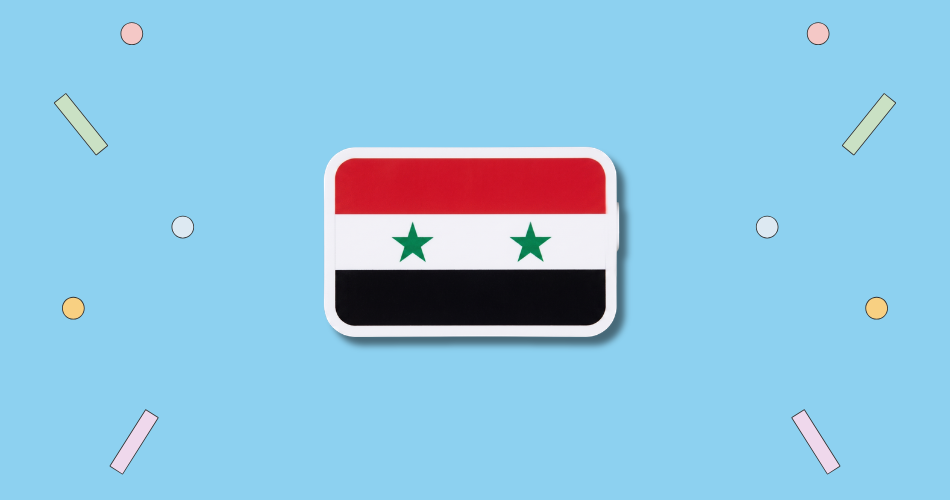
Syria Independence Day is observed annually on April 17. In 2027, this date falls on a Saturday. Also known as Evacuation Day or Eid al-Jalaa, the holiday commemorates the departure of the last French soldier from Syrian soil in 1946, which signaled the end of the French Mandate. This date is a cornerstone of Syrian national identity, marking the moment the country achieved full administrative sovereignty after decades of colonial rule and resistance. The year 2026 is particularly significant as it marks the 80th anniversary of this historic evacuation. Across the nation and within the global diaspora, the day serves as a formal recognition of the country’s borders and its status as an independent republic. It is a time for citizens to honor the sacrifices made by previous generations to secure self-governance and to reflect on the historical journey that has shaped the modern Syrian state.
Contents
HT Meter
Does this day matter to you?
Tap the meter if it does, and say whether you will be celebrating — that is what opens the wishes from everybody else who will be.
This day matters to me
0 Be the first to say so
Just getting started
0 Let others know you’re in.
Wishes, greetings and stories
Join the celebration to share a wish, a greeting, or how this day goes in your house.
These are kept for the people celebrating this day. Say you will be celebrating to read them and to add your own.
You have already shared something here recently.
Nothing here yet. Yours would be the first.
History of Syria Independence Day
The roots of Syria Independence Day lie in the aftermath of World War I and the collapse of the Ottoman Empire. Following the 1916 Sykes–Picot Agreement, the League of Nations granted France a mandate over Syria in 1923. For the next twenty-three years, Syrian nationalists engaged in various forms of resistance, including the Great Syrian Revolt of 1925 and a massive general strike in 1936. While independence was technically proclaimed in 1941 during World War II, French forces remained in the country for several more years, leading to continued diplomatic tension and civil unrest known as the Levant Crisis.
The final breakthrough occurred through a combination of local persistence and international pressure. Under the leadership of President Shukri al-Quwatli, Syrian officials negotiated the total withdrawal of foreign troops. The French government originally proposed April 18, 1946, as the departure date, but Syrian leaders requested it be moved one day earlier to avoid holding celebrations on Good Friday, showing a gesture of inclusion toward the country’s Christian population. On April 17, 1946, the last colonial troops boarded ships in the harbor, and the Syrian people celebrated by hoisting the national flag and, in some cities like Deir ez-Zor, symbolically burning French books to mark their cultural and political liberation.
Why is Syria Independence Day important?
This day is significant because it validates Syria’s status as a sovereign entity in the international community. It represents the successful end of a long struggle against external mandates and the beginning of a self-determined political path. For Syrians, the holiday is a reminder of the unity required to overcome colonial partitions and the importance of maintaining a national identity that spans various ethnic and religious groups. It provides a historical anchor that connects the modern population to the era of the “founding fathers” who established the first Syrian Republic.
Lebanon Independence Day
The holiday also serves as a vital cultural touchstone for the millions of Syrians living in the diaspora. In recent years, the day has taken on additional meaning as a symbol of resilience and the hope for a stable, unified future. It is a time when historical documentaries and patriotic songs fill the airwaves, educating younger generations about the geopolitical shifts of the 20th century. By honoring the 1946 evacuation, the nation reaffirms its commitment to the values of independence and the preservation of its diverse heritage.
- The holiday marks the official end of twenty-five years of French colonial rule.
- It commemorates the total evacuation of both French and British troops from the territory.
- The day honors the diplomatic success of the 1936 Franco-Syrian Treaty of Independence.
- It recognizes the sacrifice of those who participated in the Great Syrian Revolt.
- The observance fosters a sense of national pride and continuity for Syrians worldwide.
How to Celebrate Syria Independence Day
Make it yours
How would you like to spend Syria Independence Day?
Tick what fits you, and we will put together ideas made for this day — not for any day.
In Syria, the day is traditionally marked by official government ceremonies, including military parades and wreath-laying at the Tomb of the Unknown Soldier. Public squares, particularly Umayyad Square in Damascus, often become focal points for gatherings where citizens wave the national flag and listen to speeches from political leaders. Schools and government offices close for the day, allowing families to spend time together. Many households use the opportunity to prepare traditional dishes like kibbeh and yalanji, turning the national holiday into a time of hospitality and community bonding.
For those celebrating abroad, the day is often observed through cultural festivals that feature traditional dabke dancing and Arabic music. These events provide a space for expats to share their history with their children and stay connected to their roots. People often wear the colors of the Syrian flag—red, white, and black—and share historical photographs of the 1946 celebrations on social media. Whether attending a large festival in a major city or having a quiet meal with family, the goal is to acknowledge the enduring spirit of the Syrian people and their historic achievement of freedom.
- Watch or participate in local parades featuring traditional music and flags.
- Prepare a meal of classic Syrian cuisine like kibbeh to share with friends.
- Attend a cultural event featuring dabke dance performances and storytelling.
- Wear the national colors or display the flag at your home or business.
- Share historical facts about the 1946 evacuation with the younger generation.
Syria Independence Day Dates Table
| Year | Date | Day of the week |
|---|---|---|
| 2026 | April 17 | Friday |
| 2027 next | April 17 | Saturday |
| 2028 | April 17 | Monday |
| 2029 | April 17 | Tuesday |
| 2030 | April 17 | Wednesday |
Sorry to hear you didn't enjoy this article...
Independence Day in Algeria
Help us make it better!