
National Crawfish Day
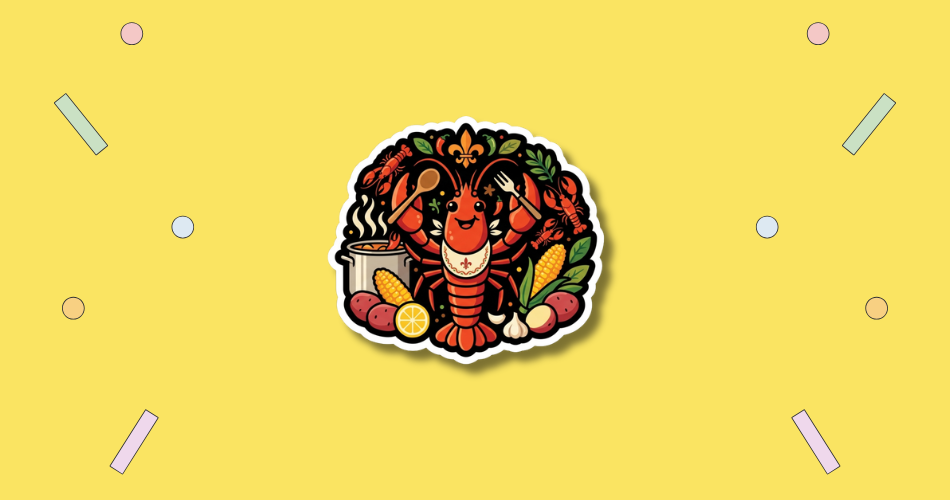
National Crawfish Day is observed annually on April 17. In 2027, this date falls on a Saturday. This holiday celebrates the freshwater crustacean that is a staple of Southern American cuisine, particularly in Louisiana. Known by various names such as mudbugs, crawdads, and crayfish, these small lobster-like creatures are central to a vibrant culinary culture that emphasizes community and outdoor dining. The date coincides with the peak of crawfish season, a time when the shellfish are most abundant and at their largest size. Enthusiasts across the United States use this day to gather around newspaper-covered tables to enjoy traditional boils, featuring a spicy mix of seafood, corn, potatoes, and sausage. It is a day that honors the transition from spring into the height of the harvesting season, turning a humble inhabitant of freshwater brooks and marshes into the centerpiece of a national gastronomic celebration.
Contents
Read also about Crawfish Cravers Awareness Day
HT Meter
Does this day matter to you?
Tap the meter if it does, and say whether you will be celebrating — that is what opens the wishes from everybody else who will be.
This day matters to me
0 Be the first to say so
Just getting started
0 Let others know you’re in.
Wishes, greetings and stories
Join the celebration to share a wish, a greeting, or how this day goes in your house.
These are kept for the people celebrating this day. Say you will be celebrating to read them and to add your own.
You have already shared something here recently.
Nothing here yet. Yours would be the first.
History of National Crawfish Day
The official designation of National Crawfish Day is a relatively recent addition to the calendar, having been established in 2020 by the restaurant chain Shell Shack. While the national observance is new, the cultural roots of the celebration stretch back centuries to the Indigenous peoples of the Mississippi Delta, who used crawfish as a primary protein source. When French Acadians settled in Louisiana in the 18th century, they adapted their traditional lobster recipes to use the plentiful local crawfish, laying the foundation for modern Cajun and Creole cuisine.
Crawfish Cravers Awareness Day
In the mid-20th century, the perception of crawfish shifted from “poverty food” to a celebrated regional delicacy. The founding of the Breaux Bridge Crawfish Festival in 1959 played a crucial role in this transformation, eventually leading the Louisiana State Legislature to name Breaux Bridge the “Crawfish Capital of the World.” As aquaculture techniques improved in the 1960s and 1970s, the availability of crawfish expanded beyond local bayous to a national market. The creation of a specific day on April 17 helped formalize these long-standing regional traditions into a nationwide appreciation of the mudbug’s impact on American food history.
Why is National Crawfish Day important?
This day is significant because it highlights a major economic engine for the Gulf Coast region. The crawfish industry is worth hundreds of millions of dollars in Louisiana alone, supporting thousands of farmers, fishers, and processors. By celebrating this holiday, consumers help sustain the local businesses and family-owned farms that have cultivated these crustaceans for generations. It brings attention to the importance of maintaining healthy freshwater ecosystems, as crawfish are highly sensitive to water quality and serve as a biological indicator of environmental health.
Beyond economics, the holiday preserves a unique form of social interaction found in the traditional crawfish boil. The process of peeling and eating crawfish is a slow, tactile experience that naturally encourages long conversations and shared labor. It serves as a reminder of the value of communal dining, where the focus is shifted away from fast food and toward a shared ritual that can last an entire afternoon. This reinforces the “fa-do-do” spirit of Southern hospitality, ensuring that the techniques and recipes of Cajun ancestors are passed down to younger generations.
- Crawfish are a high-protein, low-fat seafood option for healthy diets.
- The holiday promotes the agricultural diversity of the Southern United States.
- Large boils encourage social bonding and the strengthening of neighborhood ties.
- Commercial harvesting provides a vital source of seasonal employment.
- It educates the public on the difference between freshwater and saltwater species.
How to Celebrate National Crawfish Day
Make it yours
How would you like to spend National Crawfish Day?
Tick what fits you, and we will put together ideas made for this day — not for any day.
National Shrimp Day
The most authentic way to celebrate is by hosting or attending a backyard crawfish boil. This involves boiling large quantities of live crawfish in a seasoned pot with lemons, garlic, onions, and various spices until they turn a bright, vibrant red. Once cooked, the contents of the pot are dumped directly onto a table lined with newspaper, allowing guests to stand around and peel the tails together. For those who cannot source live crawfish, many seafood restaurants offer special menus on this day featuring crawfish étouffée, jambalaya, or gumbo.
Another way to observe the holiday is to learn the specific techniques of “pinching and peeling” to efficiently reach the succulent tail meat. Many people use the day to experiment with their own signature spice blends, ranging from mild lemon-pepper to intense, fiery heat. If you are in the South, attending a local festival or a “crawfish race” can add a playful competitive element to the day. Sharing photos of your feast or your favorite family recipes on social media helps connect you with a broader community of seafood lovers across the country.
- Order a sack of live crawfish from a local supplier for a fresh meal.
- Invite neighbors over for a traditional outdoor seafood boil.
- Try cooking a new Cajun dish like crawfish pie or pasta.
- Visit a seafood market to learn about the different grades of crawfish.
- Teach a friend or family member how to properly peel a crawfish tail.
National Crawfish Day Dates Table
| Year | Date | Day of the week |
|---|---|---|
| 2026 | April 17 | Friday |
| 2027 next | April 17 | Saturday |
| 2028 | April 17 | Monday |
| 2029 | April 17 | Tuesday |
| 2030 | April 17 | Wednesday |

Cook it
Make something for National Crawfish Day
Tell us what you feel like making and what you have to work with, and we will write one recipe for it.