


Hiroshima Day
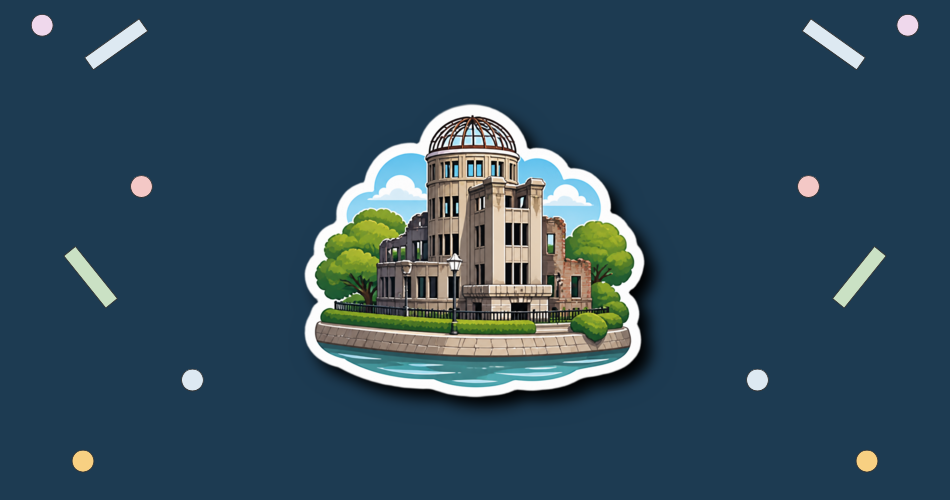
Hiroshima Day is observed annually on August 6. In 2027, this date falls on a Friday. This solemn day marks the anniversary of the atomic bombing of Hiroshima in 1945 and honors the memory of the victims.
Contents
HT Meter
Does this day matter to you?
Say that it does, and say whether you will be marking it. Both are anonymous to nobody but kind to everybody.
This day matters to me
0 Be the first to say so
First voices
0 Nobody has said so yet
Notes of remembrance
Join those marking this day to share a word, a memory, or the reason it matters to you.
These notes are kept for the people marking this day. Say you will be marking it to read them and to leave your own.
You have already shared a note here recently.
No notes yet. Yours would be the first.
History of Hiroshima Day
On August 6, 1945, at 8:15 a.m., the United States dropped an atomic bomb on the Japanese city of Hiroshima. The explosion instantly killed tens of thousands of people and caused immense destruction. In the years that followed, the city was rebuilt, and the event became a powerful symbol of the horrors of nuclear warfare. Hiroshima Day was established to ensure that the world never forgets the human cost of nuclear weapons.
The first Hiroshima Peace Memorial Ceremony was held in 1947, and it has been observed annually ever since. The ceremony takes place at Hiroshima Peace Memorial Park, near the epicenter of the blast. The park features the Atomic Bomb Dome, a preserved ruin that stands as a stark reminder of the bombing. Over time, Hiroshima Day has grown into a global day of remembrance, with events held in many countries to promote peace and nuclear disarmament.
Why is Hiroshima Day important?
Hiroshima Day serves as a powerful reminder of the devastating consequences of nuclear weapons. It honors the lives lost and the suffering endured by survivors, known as hibakusha. The day also underscores the urgent need for global peace and the abolition of nuclear arms. By remembering Hiroshima, people around the world reaffirm their commitment to preventing such a tragedy from ever happening again.
Nagasaki Memorial Day
The observance of Hiroshima Day encourages reflection on the ethical implications of warfare and the importance of diplomacy. It brings together communities to advocate for a future free from nuclear threats. The day also highlights the resilience of the human spirit, as seen in Hiroshima's transformation into a city of peace and hope.
- Remember the victims of the atomic bombing and honor their memory.
- Reflect on the human and environmental costs of nuclear weapons.
- Support efforts toward nuclear disarmament and global peace.
- Learn about the history of Hiroshima and the experiences of survivors.
- Participate in peace events, such as the Hiroshima Peace Memorial Ceremony.
How to Celebrate Hiroshima Day
Make it yours
How would you like to spend Hiroshima Day?
Tick what fits you, and we will put together ideas made for this day — not for any day.
Hiroshima Day is a time for solemn remembrance and reflection. Many people observe a moment of silence at 8:15 a.m., the exact time the bomb was dropped. Attending a peace ceremony or visiting a memorial can be a meaningful way to honor the victims. In Hiroshima, the Peace Memorial Ceremony includes speeches, the ringing of the Peace Bell, and the release of doves. The evening features a lantern floating ceremony, where thousands of lanterns are set adrift on the river to symbolize the souls of the departed.
Around the world, communities hold remembrance services, educational events, and peace rallies. Some people read accounts from survivors or watch documentaries to deepen their understanding. Others write letters to leaders advocating for nuclear disarmament. The day is also an opportunity to support organizations working for peace and to teach younger generations about the importance of preventing future atrocities.
- Observe a moment of silence at 8:15 a.m. local time.
- Attend a Hiroshima Peace Memorial Ceremony or local remembrance event.
- Light a lantern or candle in memory of the victims.
- Read or share stories from hibakusha (atomic bomb survivors).
- Advocate for nuclear disarmament by contacting elected officials.
Hiroshima Day Dates
| Year | Date | Day of the week |
|---|---|---|
| 2026 | August 6 | Thursday |
| 2027 next | August 6 | Friday |
| 2028 | August 6 | Sunday |
| 2029 | August 6 | Monday |
| 2030 | August 6 | Tuesday |

Thank you for your feedback!
Fuel the next post!
Sorry to hear you didn't enjoy this article...

National Atomic Veterans Day
Help us make it better!