



Nagasaki Memorial Day
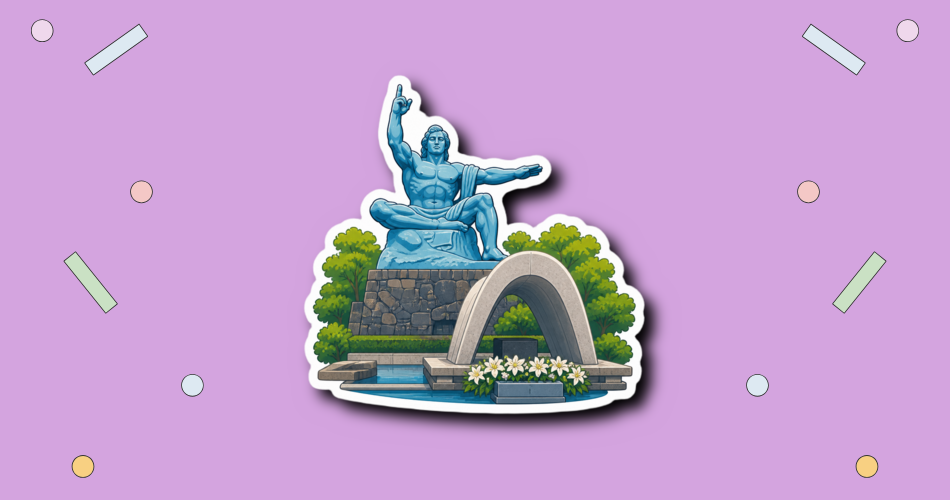
Nagasaki Memorial Day is marked annually on August 9. In 2027, this date falls on a Monday. This solemn day commemorates the atomic bombing of Nagasaki in 1945 and honors the memory of the tens of thousands of victims who lost their lives. It serves as a powerful reminder of the devastating impact of nuclear warfare and the urgent need for lasting peace.
Contents
HT Meter
Does this day matter to you?
Say that it does, and say whether you will be marking it. Both are anonymous to nobody but kind to everybody.
This day matters to me
0 Be the first to say so
First voices
0 Nobody has said so yet
Notes of remembrance
Join those marking this day to share a word, a memory, or the reason it matters to you.
These notes are kept for the people marking this day. Say you will be marking it to read them and to leave your own.
You have already shared a note here recently.
No notes yet. Yours would be the first.
History of Nagasaki Memorial Day
On August 9, 1945, the United States dropped an atomic bomb on the city of Nagasaki, Japan, three days after the bombing of Hiroshima. The bomb, nicknamed "Fat Man," exploded over the Matsuyama neighborhood, instantly killing an estimated 40,000 people and destroying much of the city. By the end of 1945, the death toll had risen to approximately 80,000 due to injuries and radiation sickness. The Nagasaki National Peace Memorial Hall for the Atomic Bomb Victims now registers 201,942 victims as of August 9, 2025, a number that continues to grow as survivors pass away and their names are added.
The Nagasaki Peace Memorial Ceremony has been held annually on August 9 since the aftermath of the bombing. The ceremony takes place near the hypocenter in Peace Park, attended by family members of the victims, Nagasaki citizens, and dignitaries from around the world. The Mayor of Nagasaki City delivers a Peace Declaration that conveys Nagasaki's wish for the establishment of lasting world peace and the abolition of nuclear weapons to local governments within Japan, to the leaders of UN countries, and to the rest of the world.
Why is Nagasaki Memorial Day important?
Nagasaki Memorial Day is important because it preserves the memory of the atomic bombing and its victims, ensuring that future generations understand the human cost of nuclear warfare. The day provides a moment for collective reflection on the horrors of war and the catastrophic consequences of nuclear weapons. It also serves as a platform for survivors, known as hibakusha, to share their testimonies and advocate for a world free of nuclear threats.

Hiroshima Day
The day reinforces the global movement for nuclear disarmament and peace. By commemorating the Nagasaki bombing alongside the Hiroshima bombing, the international community is reminded of the urgent need to prevent any future use of nuclear weapons. The Nagasaki Peace Memorial Ceremony and related events around the world help to build awareness and inspire action toward a safer, nuclear weapons-free world.
- The day honors the memory of the 201,942 registered victims of the Nagasaki atomic bombing.
- It provides a platform for hibakusha (atomic bomb survivors) to share their experiences and call for peace.
- The ceremony delivers a Peace Declaration that urges world leaders to pursue nuclear disarmament.
- It serves as a reminder of the catastrophic humanitarian and environmental consequences of nuclear war.
- The day inspires global solidarity and action toward building a nuclear weapons-free world.
How to Observe Nagasaki Memorial Day
Make it yours
How would you like to spend Nagasaki Memorial Day?
Tick what fits you, and we will put together ideas made for this day — not for any day.
Observing Nagasaki Memorial Day can involve participating in or watching the Nagasaki Peace Memorial Ceremony, which is held at Peace Park in Nagasaki City. The ceremony includes a moment of silence at 11:02 a.m., the exact time the bomb detonated, as well as the release of doves as a symbol of peace. Many people also visit the Nagasaki National Peace Memorial Hall for the Atomic Bomb Victims to pay their respects, view exhibits, and read testimonies of survivors. The hall is open extended hours on August 7–9, from 8:30 a.m. to 8:00 p.m., and admission is free.
Around the world, communities hold remembrance events, such as the Hiroshima and Nagasaki Remembrance Event in Portland, Oregon, which features keynote speakers, poetry, music, and dance performances. Individuals can also observe the day by learning about the history of the atomic bombings, reading memoirs of survivors, or writing messages for peace. Many people use the day to advocate for nuclear disarmament by contacting their elected representatives or supporting organizations that work toward a nuclear weapons-free world.
- Attend or watch the Nagasaki Peace Memorial Ceremony on August 9.
- Visit the Nagasaki National Peace Memorial Hall for the Atomic Bomb Victims to pay respects and learn about the bombing.
- Participate in local remembrance events, such as the Hiroshima and Nagasaki Remembrance Event in Portland.
- Read testimonies and memoirs of atomic bombing survivors to understand the human impact.
- Advocate for nuclear disarmament by contacting leaders or supporting peace organizations.
Nagasaki Memorial Day Dates
| Year | Date | Day of the week |
|---|---|---|
| 2026 | August 9 | Sunday |
| 2027 next | August 9 | Monday |
| 2028 | August 9 | Wednesday |
| 2029 | August 9 | Thursday |
| 2030 | August 9 | Friday |

Sorry to hear you didn't enjoy this article...

National Atomic Veterans Day
Help us make it better!