

Independence Day in Bosnia and Herzegovina
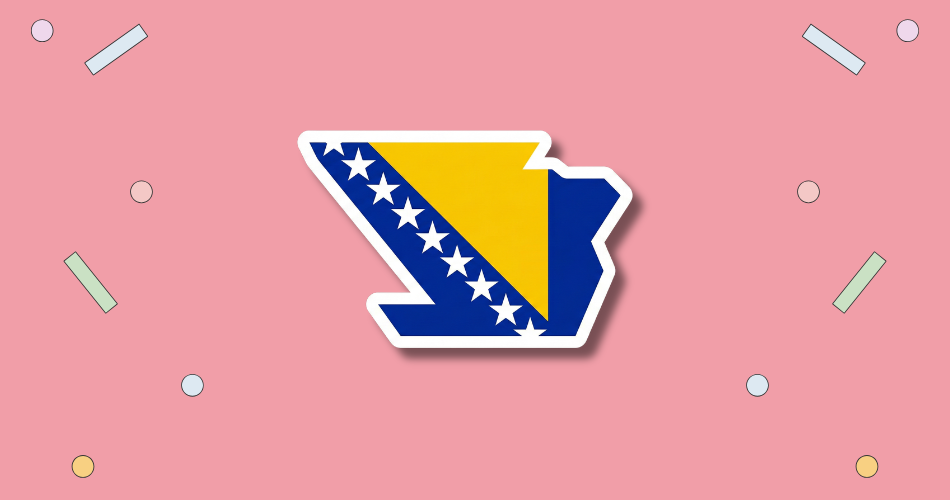
Independence Day in Bosnia and Herzegovina is observed on March 1. In 2027, this date falls on a Monday. This day commemorates the independence of the Republic of Bosnia and Herzegovina from the Socialist Federal Republic of Yugoslavia. While it is a significant national holiday, its observance is primarily concentrated in the Federation of Bosnia and Herzegovina and the Brčko District, as it is not officially recognized as a holiday in the entity of Republika Srpska.
Contents
HT Meter
Does this day matter to you?
Say that it does, and say whether you will be marking it. Both are anonymous to nobody but kind to everybody.
This day matters to me
0 Be the first to say so
Quietly remembered
0 Nobody has said so yet
Notes of remembrance
Join those marking this day to share a word, a memory, or the reason it matters to you.
These notes are kept for the people marking this day. Say you will be marking it to read them and to leave your own.
You have already shared a note here recently.
No notes yet. Yours would be the first.
History of Independence Day in Bosnia and Herzegovina
Independence Day in Bosnia and Herzegovina grew out of the break-up of Yugoslavia in the early 1990s. As other Yugoslav republics moved towards independence, Bosnia and Herzegovina faced a decision about its own future. Following a recommendation from the Arbitration Commission of the International Conference on Yugoslavia, the republic held an independence referendum on 29 February and 1 March 1992. Voters were asked whether they supported a sovereign and independent Bosnia and Herzegovina in which Muslims, Serbs, Croats and other communities would have equal rights. According to the Parliamentary Assembly of Bosnia and Herzegovina, 64.31% of eligible voters participated, and 99.44% of those who voted supported independence. Most Bosnian Serbs boycotted the referendum. The results were accepted by the republic’s parliament on 6 March 1992. 1 1
The European Community recognised Bosnia and Herzegovina as an independent state on 6 April 1992, followed by the United States on 7 April. The country joined the United Nations on 22 May 1992, as the conflict that became the Bosnian War spread across the republic. During the war, the Assembly of the Republic of Bosnia and Herzegovina adopted a law on 28 February 1995 declaring 1 March Independence Day. The law was formally proclaimed on 6 March and published in the republic’s Official Gazette on 30 March 1995. The holiday thus commemorates the referendum through which Bosnia and Herzegovina chose independence from Yugoslavia. 1 1 1
Why is Independence Day in Bosnia and Herzegovina important?
This day marks the moment Bosnia and Herzegovina emerged as a modern, sovereign state on the world stage. It represents the legal and political continuity of the country following centuries of rule by various empires and its later status as a federal republic within Yugoslavia. For many citizens, it is a symbol of self-determination and the right to govern their own territory and affairs independently.
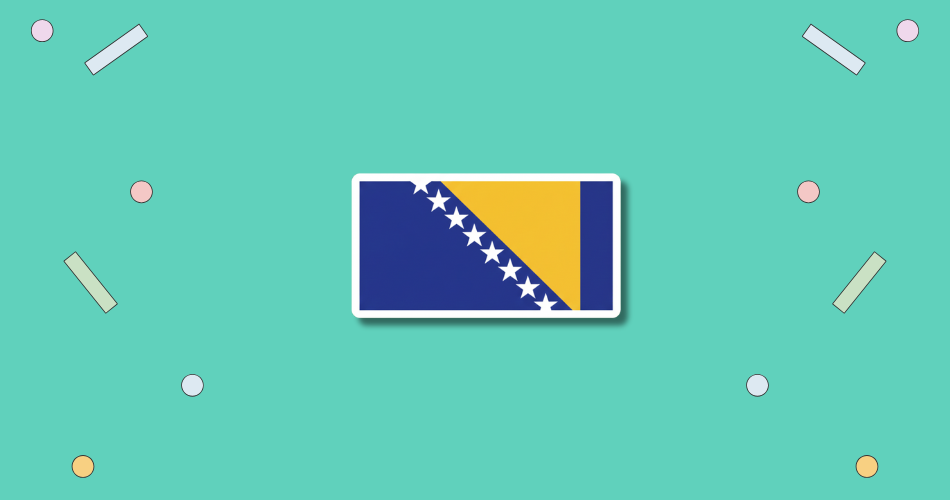
National Day of Bosnia and Herzegovina (Statehood Day)
The holiday serves as a tribute to the civic courage displayed by those who participated in the 1992 vote during a period of intense political instability. It highlights the transition toward a democratic system where the will of the majority shaped the nation’s future. The date remains a cornerstone of national identity for those who view the referendum as the foundational act of the contemporary state.
- The holiday affirms the country’s status as an internationally recognized sovereign nation.
- It honors the results of the 1992 referendum where the majority chose independence.
- The day emphasizes the goal of a state based on the equality of all citizens.
- It marks the anniversary of the republic’s separation from the former Yugoslavia.
- Observance of the day reinforces the historical continuity of Bosnian statehood.
How to Observe Independence Day in Bosnia and Herzegovina
Make it yours
How would you like to spend Independence Day in Bosnia and Herzegovina?
Tick what fits you, and we will put together ideas made for this day — not for any day.
In Sarajevo and other cities within the Federation, the streets are decorated with national flags and banners. Official ceremonies often take place at memorial sites, such as the Eternal Flame in Sarajevo, where political leaders and citizens lay wreaths to honor those who contributed to the country’s sovereignty. Public squares host cultural programs featuring performances by school choirs, folklore ensembles, and local musicians to engage the community.
Families often use the non-working day to gather for meals or participate in public festivities. Educational institutions and museums frequently hold special exhibitions or lectures focusing on the events of 1992 and the country’s path to international recognition. While the atmosphere is festive in some regions, the day is also treated with solemnity as many reflect on the subsequent war that followed the declaration of independence.
- Display the national flag on buildings and in public spaces.
- Attend outdoor concerts and cultural performances in city centers.
- Visit historical museums to view exhibits on the 1992 referendum.
- Participate in wreath-laying ceremonies at national monuments and memorials.
- Join community gatherings featuring traditional music and local cuisine.
Independence Day in Bosnia and Herzegovina Dates Table
| Year | Date | Day |
|---|---|---|
| 2026 | March 1 | Sunday |
| 2027 | March 1 | Monday |
| 2028 | March 1 | Wednesday |
| 2029 | March 1 | Thursday |
| 2030 | March 1 | Friday |
Sorry to hear you didn't enjoy this article...
Kosovo Independence Day
Help us make it better!