


National Day of Bosnia and Herzegovina (Statehood Day)

National Day of Bosnia and Herzegovina, also known as Statehood Day, is observed each year on November 25. In 2026, this date falls on a Wednesday. It commemorates an important milestone: the day in 1943 when the “Resolution of ZAVNOBiH” was adopted, marking a decisive step toward the modern multi-ethnic state.
Contents
HT Meter
Does this day matter to you?
Say that it does, and say whether you will be marking it. Both are anonymous to nobody but kind to everybody.
This day matters to me
0 Be the first to say so
Quietly remembered
0 Nobody has said so yet
Notes of remembrance
Join those marking this day to share a word, a memory, or the reason it matters to you.
These notes are kept for the people marking this day. Say you will be marking it to read them and to leave your own.
You have already shared a note here recently.
No notes yet. Yours would be the first.
History of National Day of Bosnia and Herzegovina
On November 25 1943, during World War II, representatives from the three main constituent peoples of Bosnia and Herzegovina (Bosniaks, Serbs and Croats) gathered at the first session of ZAVNOBiH in Mrkonjić Grad and adopted a resolution declaring that Bosnia and Herzegovina would exist as an equal republic in a future Yugoslavia, with full equality of all its peoples. In doing so, the idea of Bosnian statehood was formally reaffirmed within the context of resistance to occupying forces and for the equal rights of all nationalities.
After the breakup of Yugoslavia in the 1990s, Bosnia and Herzegovina became independent—but the November 25 date remained important as a symbol of multi-ethnic unity and statehood beyond mere independence from external rule. However, in practice, observance of this day is contested: while it is officially recognized as the national day, the holiday is celebrated across the Federation of Bosnia and Herzegovina entity but not by the entity of Republika Srpska (RS), which marks other dates.
Why is National Day of Bosnia and Herzegovina important?
This day is important because it recognizes the foundational principle that Bosnia and Herzegovina is, and wishes to remain, a shared home of its constituent peoples with equal rights, within a single state. The 1943 resolution signaled a commitment to that form of inclusive statehood in the face of division and conflict. It also serves as an annual moment to reflect on the challenges and promises of multiculturalism, civic identity, and citizenship in Bosnia and Herzegovina.
By marking Statehood Day, citizens and observers remember both the past—resistance, alliance, transformation—and the present task of bridging difference, building institutions, and fostering unity in diversity.
- It commemorates the 1943 resolution that recognized Bosnia and Herzegovina as an equal republic within Yugoslavia, reaffirming multiethnic equality.
- It symbolizes national identity beyond political independence, focusing instead on the idea of a shared state of equals.
- It provides a formal occasion for reflection on the progress and challenges of state-building, governance, and reconciliation.
- It invites all citizens to recognize their role in sustaining the country’s diversity and democratic structures.
- It acts as a unifying marker (despite regional and ethnic divisions) of the country’s aspirations toward inclusive citizenship and a shared future.
How to Observe National Day of Bosnia and Herzegovina
Make it yours
How would you like to spend National Day of Bosnia and Herzegovina?
Tick what fits you, and we will put together ideas made for this day — not for any day.
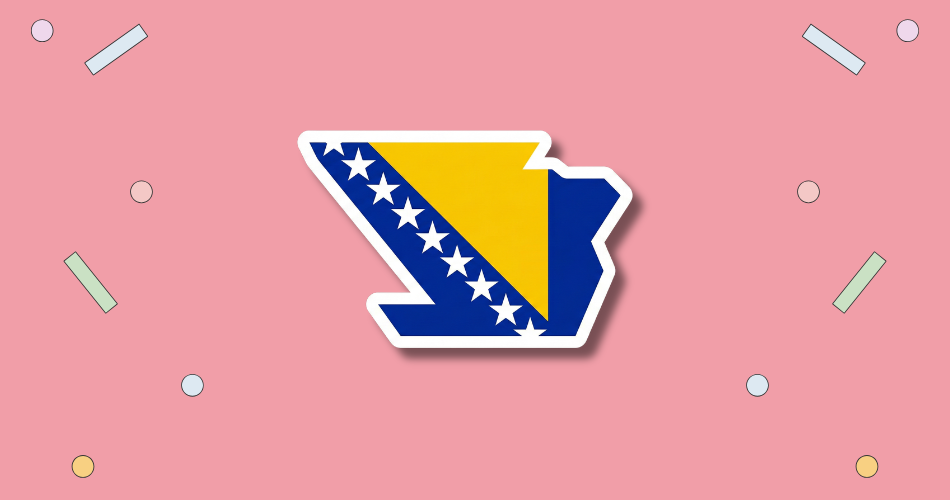
Independence Day in Bosnia and Herzegovina
Observing Statehood Day in Bosnia and Herzegovina typically involves public ceremonies, cultural events, flag-raising, and educational activities. People may visit national monuments, attend performances of traditional music, participate in community events, or share reflections on the country’s history and aspirations. For those abroad or in the diaspora, it is an opportunity to engage with Bosnian culture, connect with community members, and express solidarity with the idea of inclusive statehood. Emotionally, the day invites a sense of pride, belonging and also the recognition that the country’s journey continues.
- Attend or watch a flag-raising ceremony, official speech, or public event in a local community or online.
- Wear the national colors (blue, yellow, and white) or display the Bosnian flag to show recognition of the day.
- Explore Bosnian history through reading, documentaries, or visiting museums—especially about the 1943 ZAVNOBiH session and its significance.
- Share family stories or personal reflections about what Bosnia and Herzegovina means to you—especially in contexts of multiple ethnicity and home.
- Support or participate in cultural programs featuring Bosnian music, literature, art, or cuisine as a way to celebrate national culture and unity.
National Day of Bosnia and Herzegovina Dates Table
| Year | Date | Day of the week |
|---|---|---|
| 2026 next | November 25 | Wednesday |
| 2027 | November 25 | Thursday |
| 2028 | November 25 | Saturday |
| 2029 | November 25 | Sunday |
| 2030 | November 25 | Monday |
Sorry to hear you didn't enjoy this article...
Help us make it better!