

International Brain Tumor Awareness Week
International Brain Tumor Awareness Week is observed each year during the last week of October. This dedicated week invites communities worldwide to raise awareness about brain tumors, support those affected, and call attention to the need for research and improved care.
Contents
HT Meter
Does this day matter to you?
Say that it does, and say whether you will be marking it. Both are anonymous to nobody but kind to everybody.
This day matters to me
0 Be the first to say so
Quietly remembered
0 Nobody has said so yet
Notes of remembrance
Join those marking this day to share a word, a memory, or the reason it matters to you.
These notes are kept for the people marking this day. Say you will be marking it to read them and to leave your own.
You have already shared a note here recently.
No notes yet. Yours would be the first.
History of International Brain Tumor Awareness Week
The observance was initiated by the International Brain Tumour Alliance (IBTA) and has grown over the years into a global awareness effort. According to the IBTA, the week is a chance for organizations and individuals around the world to organize activities—from walks to talks—that focus on the particular challenges of a brain tumor diagnosis and the increased need for research and support. While exact origins are somewhat dispersed and local organizations vary, one timeline source notes the awareness week was created in 1997. Over the years the timing has settled into the last week of October/start of November, allowing activities to span across many countries and time zones. 1
Why is International Brain Tumor Awareness Week important?
International Brain Tumor Awareness Week stands out is the combination of urgency and invisibility: brain tumors may be less familiar than some cancers, yet they can be devastating, complex, and deeply life‑changing. The week gives voice to those affected—patients, families, and caregivers—and invites us to see beyond statistics to the human side of the brain tumor experience: the uncertainty, the research questions still unanswered, the support gaps.
Another layer is the collective message it sends: that awareness, early detection, research funding, and advocacy matter. By dedicating this week to the cause, it helps raise the visibility of brain tumor issues among health professionals, the public, and policymakers. It underlines that brain tumor care isn’t just about treatment; it’s about meaningful support, quality of life, and hope.
Here are some personal reflections on why this observance makes a difference:
- It helps highlight that a brain tumor diagnosis isn’t simply a “rare side note”: it impacts people of all ages and has profound effects.
- It emphasizes the need for early recognition of symptoms and prompt access to specialist care.
- It supports the idea that research matters—breakthroughs in understanding tumors, treatments, and survivorship count.
- It encourages conversations about the emotional, social, and financial burdens of living with or caring for someone with a brain tumor.
- It invites each of us—even outside direct patient‑care settings—to contribute in our own way: through awareness, advocacy, listening, and solidarity.
How to Observe International Brain Tumor Awareness Week
Make it yours
How would you like to spend International Brain Tumor Awareness Week?
Tick what fits you, and we will put together ideas made for this day — not for any day.
World Brain Tumor Day
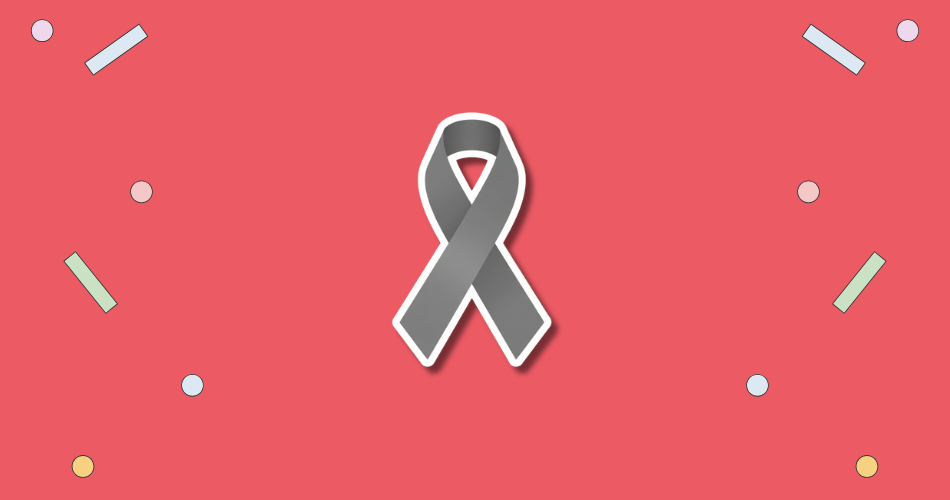
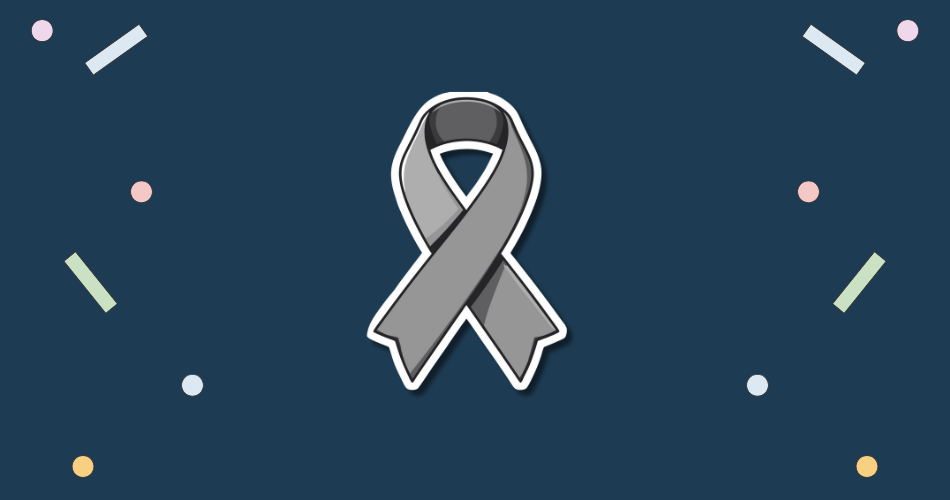
You can observe this week in simple, meaningful ways that don’t require major resources. Maybe pick a day during the week to share a story about brain tumors or wear a grey ribbon (often associated with brain tumor awareness) as a small gesture of support. You could host a short online chat or information session among friends or colleagues, sharing what you learn about brain tumor symptoms and support needs. You might also support a local brain tumor charity or share their content on social media to help amplify the message.
If you prefer something more active, you could organize or join a local walk, run, or fundraising event during the week; invite someone who has experience with brain tumors to speak; or place an information stand in a public space (school, workplace, community center). What matters most is that you engage and help spread awareness in your network.
Here are some practical ideas:
- Wear a grey ribbon or something grey during the week and share a short message about brain tumor awareness.
- Post a fact or story on social media (using hashtags like #IBTAWeek) to spotlight brain tumor challenges.
- Invite a friend or colleague for a coffee and chat about what you both know (or don’t know) about brain tumors—awareness starts with conversation.
- Contact a local brain tumor support organization and ask how you can help or share their materials.
- Organize a short walk or gathering during the week (even virtually) supporting brain tumor research and survivors.

National Gray Day
Sorry to hear you didn't enjoy this article...
Help us make it better!