


International Buddhist Day
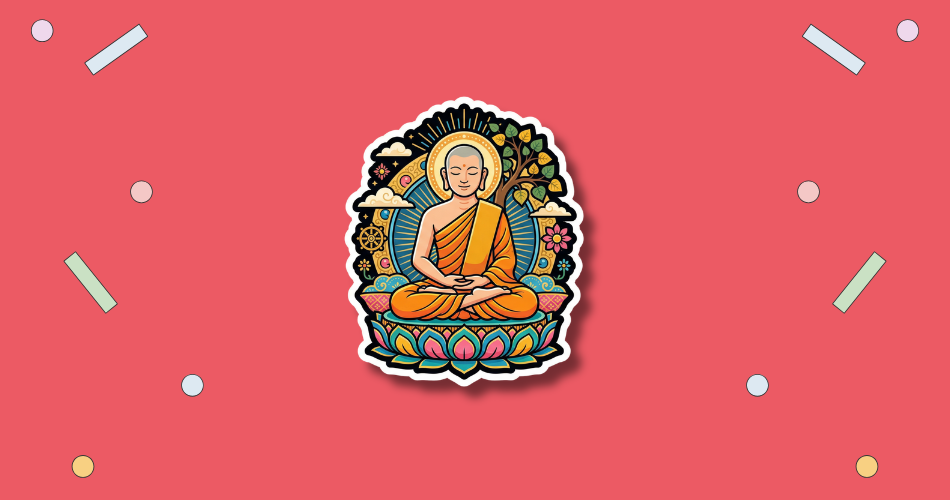
International Buddhist Day is celebrated on April 8. This day serves as a global call for peace and the propagation of Buddhist teachings across all continents. Unlike various lunar-based festivals that change annually, this specific date was unified by international Buddhist leaders to provide a singular, fixed occasion for all followers to celebrate the birth of Siddhartha Gautama and the core values of the faith. 1
Contents
Read also about World Day of Metta, Tibetan Uprising Day, Parinirvana Day (Nirvana Day), Vesak (Buddha’s Birth)
HT Meter
Does this day matter to you?
Say that it does, and say whether you will be marking it. Both are anonymous to nobody but kind to everybody.
This day matters to me
0 Be the first to say so
Quietly remembered
0 Nobody has said so yet
Notes of remembrance
Join those marking this day to share a word, a memory, or the reason it matters to you.
These notes are kept for the people marking this day. Say you will be marking it to read them and to leave your own.
You have already shared a note here recently.
No notes yet. Yours would be the first.
History of International Buddhist Day
The establishment of a fixed International Buddhist Day was a landmark achievement of the Buddhist Summit, also known as the World Buddhist Supreme Conference. During the Seventh Buddhist Summit, supreme leaders from 47 countries unanimously resolved to designate April 8 as a common festive day for the world’s 500 million Buddhists. The date was chosen to align with the traditional celebration of the Buddha’s birthday in several East Asian traditions, most notably in Japan, where it is known as Hanamatsuri.

Vesak (Buddha’s Birth)
Historically, Buddhist holidays varied significantly between the Theravada, Mahayana, and Tibetan traditions due to the use of different lunar calendars. The creation of this unified day was intended to bridge these denominational gaps and foster a sense of global “Buddhist-hood.” By coordinating their efforts, international leaders aimed to amplify the message of the Buddha—centering on wisdom, compassion, and non-violence—to a modern, globalized audience. The day now serves as an annual assembly for royal families, national leaders, and practitioners to discuss the future of the religion.
Why is International Buddhist Day important?
This day is vital because it emphasizes the universal relevance of Buddhist philosophy in addressing contemporary global conflicts. The teachings of the Buddha focus on the cessation of suffering through the cultivation of mindfulness and ethical living. By observing a dedicated day, the global community is reminded of the importance of inner peace as a prerequisite for outward peace. It provides a platform to promote the “Five Precepts,” which are ethical guidelines that discourage harm, theft, and dishonesty, fostering a more stable and compassionate society.
Furthermore, the observance protects the cultural heritage of one of the world’s oldest religions. In many regions, Buddhism has influenced art, architecture, and social structures for over 2,500 years. International Buddhist Day ensures that these contributions are recognized on a global stage, encouraging the preservation of sacred sites and texts. For practitioners, it is a time of “merit-making,” where the focus shifts from individual desires to the well-being of all sentient beings, reinforcing the interconnectedness of all life.
- It commemorates the birth of Siddhartha Gautama, who became the Buddha.
- The day unites 47 countries under a single mission for world peace.
- It promotes the Middle Way as a practical approach to balanced living.
- The observance highlights the historical impact of Buddhism on global spirituality.
- It encourages the practice of Dana, or selfless giving, to those in need.
How to Observe International Buddhist Day
Make it yours
How would you like to spend International Buddhist Day?
Tick what fits you, and we will put together ideas made for this day — not for any day.

Parinirvana Day (Nirvana Day)
Observing this day often involves a visit to a local temple or monastery to participate in traditional rituals. One of the most common practices is the “Bathing of the Buddha,” where practitioners pour water or tea over a statue of the newborn Buddha. This act symbolizes the purification of one’s own mind from greed, hatred, and ignorance. Many followers also spend time in silent meditation or chanting sutras, focusing on the quality of their thoughts and intentions for the coming year.
Acts of charity and kindness are central to the celebration. Many Buddhists mark the day by preparing vegetarian meals for the poor, donating to hospitals, or releasing captive animals as a gesture of compassion. At home, families may set up a small altar with flowers, incense, and candles to honor the “Triple Gem”—the Buddha, the Dharma (teachings), and the Sangha (community). Educational activities, such as reading Jataka tales or attending a lecture on Buddhist psychology, are also encouraged to deepen one’s understanding of the path to enlightenment.
- Visit a temple to participate in the ritual bathing of a Buddha statue.
- Dedicate at least thirty minutes to silent mindfulness meditation.
- Prepare and share a simple vegetarian meal with friends or neighbors.
- Donate food or essential supplies to a local charity or shelter.
- Light a candle or incense to symbolize the light of wisdom in the world.
International Buddhist Day Dates Table
| Year | Date | Day |
|---|---|---|
| 2026 | April 8 | Wednesday |
| 2027 | April 8 | Thursday |
| 2028 | April 8 | Saturday |
| 2029 | April 8 | Sunday |
| 2030 | April 8 | Monday |