


International Cachaça Day
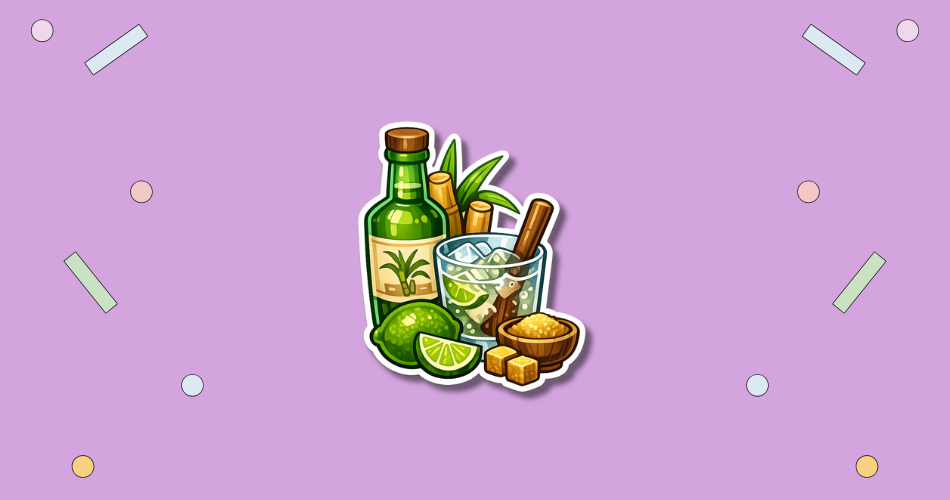
International Cachaça Day is observed every year on June 12. In 2027, this date falls on a Saturday. The day recognizes cachaça, a Brazilian distilled spirit made from fermented sugarcane juice and closely tied to Brazil’s food, drink, and agricultural traditions. It is best known outside Brazil as the base of the caipirinha, the lime, sugar, ice, and cachaça cocktail often associated with Brazilian hospitality. Because it is an alcohol-related observance, the day is most appropriately marked by adults who choose to drink responsibly, learn about the spirit’s background, or explore Brazilian culture through food, music, and history. 1
Contents
See also: National Cocktail Day, Tropical Cocktails Day, International Dark ‘n Stormy Day, World Passion Fruit Martini Day, World Paloma Day
HT Meter
Does this day matter to you?
Tap the meter if it does, and say whether you will be celebrating — that is what opens the wishes from everybody else who will be.
This day matters to me
0 Be the first to say so
Just getting started
0 Let others know you’re in.
Wishes, greetings and stories
Join the celebration to share a wish, a greeting, or how this day goes in your house.
These are kept for the people celebrating this day. Say you will be celebrating to read them and to add your own.
You have already shared something here recently.
Nothing here yet. Yours would be the first.
History of International Cachaça Day
Cachaça has deep roots in Brazil’s sugarcane history. Sugarcane cultivation expanded under Portuguese colonial rule, and cachaça developed from the fermentation and distillation of fresh sugarcane juice. The drink has been produced in Brazil since the colonial period and became closely connected with plantation labor, local commerce, and regional distilling traditions. Its history also includes conflict over production and trade, including colonial restrictions and resistance by producers.
National Cognac Day
International Cachaça Day is observed on June 12, while Brazil’s National Cachaça Day is observed on September 13. The two dates are distinct, even though both are connected with the broader history of cachaça and its recognition. Today, June 12 is mainly used to bring attention to cachaça outside Brazil, especially among cocktail enthusiasts, bartenders, and people interested in Brazilian drinks. The day is not only about a single cocktail; it also points to a spirit with regional styles, production methods, and cultural meaning.
Why is International Cachaça Day important?
International Cachaça Day helps explain why cachaça is not simply another name for rum. Rum is often made from molasses, while cachaça is defined by its use of sugarcane juice and its Brazilian identity. That difference matters because ingredients, fermentation, distillation, and aging can all affect flavor. Learning the distinction gives drinkers a clearer understanding of what is in a glass and why the spirit has its own category and reputation.
The day also highlights Brazil’s influence on global cocktail culture. The caipirinha has carried cachaça into bars and home cocktail menus far beyond Brazil, but the spirit itself has a wider story than one drink. Cachaça can be unaged and bright, aged and mellow, industrially produced, or made in smaller artisanal styles. Paying attention to those differences supports a more thoughtful appreciation of craft, agriculture, and responsible enjoyment.
- It recognizes a spirit strongly identified with Brazil.
- It helps people understand the difference between cachaça and rum.
- It gives context to the caipirinha and Brazilian cocktail culture.
- It points to the role of sugarcane in Brazilian food and drink history.
- It encourages responsible curiosity rather than careless drinking.
How to Celebrate International Cachaça Day
Make it yours
How would you like to spend International Cachaça Day?
Tick what fits you, and we will put together ideas made for this day — not for any day.

National Cocktail Day
Try a caipirinha made with cachaça, lime, sugar, and ice, or look for a well-made nonalcoholic Brazilian drink if alcohol is not part of the occasion. Adults who drink can compare an unaged cachaça with an aged one to notice the difference in aroma, body, and finish. A small tasting with food is more useful than drinking quickly, especially with a spirit that can be bold and flavorful. Brazilian dishes, music, or a short reading on cachaça history can make the day more grounded than a simple cocktail post.
Bars, restaurants, and home hosts can use the day to talk about origin, ingredients, and responsible service. A menu note explaining that cachaça is made from fresh sugarcane juice can help guests understand why the drink has a different character from many rums. People who do not drink can still mark the day by learning about Brazilian sugarcane regions, the caipirinha’s place in popular culture, or the history of colonial trade around spirits. The best approach is curious, moderate, and respectful of the drink’s Brazilian roots.
- Mix one classic caipirinha and sip it slowly.
- Read about how cachaça is made from sugarcane juice.
- Pair a Brazilian meal with a responsible tasting.
- Compare aged and unaged cachaça in small pours.
- Choose a designated driver or alcohol-free option.
International Cachaça Day Dates
| Year | Date | Day of the week |
|---|---|---|
| 2026 | June 12 | Friday |
| 2027 next | June 12 | Saturday |
| 2028 | June 12 | Monday |
| 2029 | June 12 | Tuesday |
| 2030 | June 12 | Wednesday |