

Philippines Independence Day
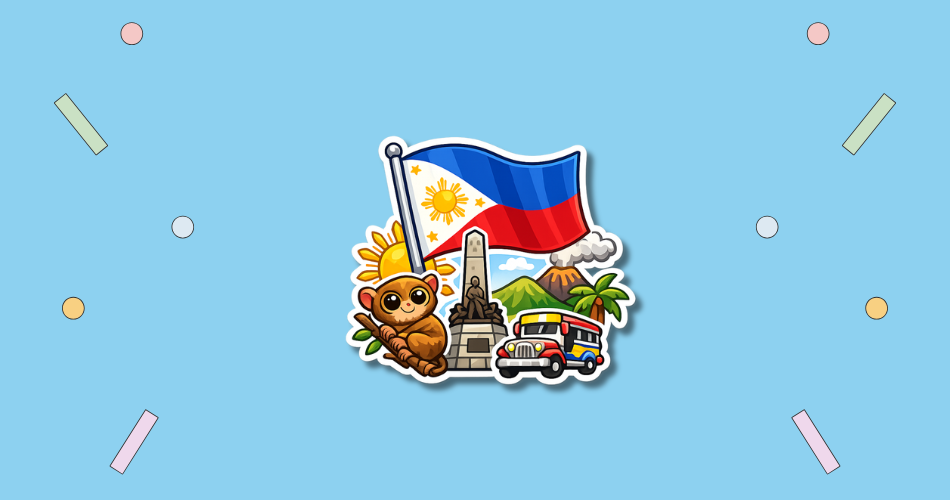
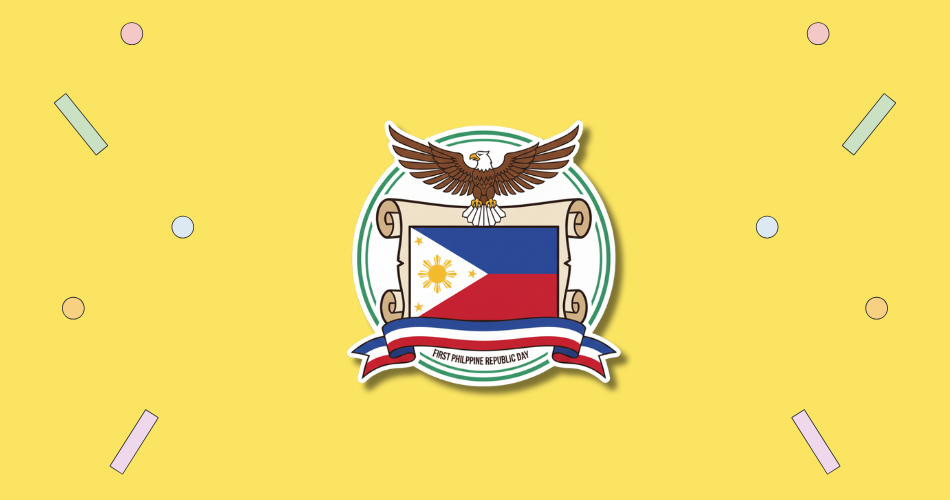
Philippines Independence Day is observed every year on June 12. In 2027, this date falls on a Saturday. The day commemorates the proclamation of Philippine independence from Spain in 1898 and is a regular national holiday in the Philippines. It is also known in Filipino as Araw ng Kalayaan, or Day of Freedom. The holiday is marked with flag ceremonies, civic programs, cultural events, and reflection on the country’s long struggle for self-rule. 1 2
Contents
See also: Constitution Day in the Philippines, First Philippine Republic Day, Philippine-American War Memorial Day
HT Meter
Does this day matter to you?
Tap the meter if it does, and say whether you will be celebrating — that is what opens the wishes from everybody else who will be.
This day matters to me
0 Be the first to say so
Just getting started
0 Let others know you’re in.
Wishes, greetings and stories
Join the celebration to share a wish, a greeting, or how this day goes in your house.
These are kept for the people celebrating this day. Say you will be celebrating to read them and to add your own.
You have already shared something here recently.
Nothing here yet. Yours would be the first.
History of Philippines Independence Day
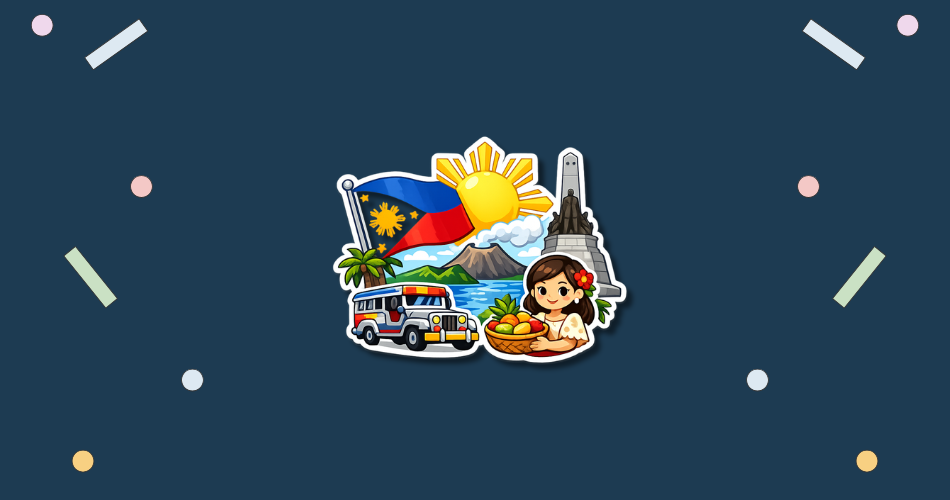
On June 12, 1898, Philippine independence was proclaimed in Kawit, Cavite, at the ancestral home of General Emilio Aguinaldo. The proclamation took place during the closing months of Spanish colonial rule and followed the Philippine Revolution, which had mobilized Filipinos against more than three centuries of Spanish control. The declaration was read by Ambrosio Rianzares Bautista, and the Philippine flag was formally unfurled during the ceremony. The national anthem’s music, then known as Marcha Nacional Filipina, was also played at the event.
Philippine Republic Day
The country’s path to recognized sovereignty did not end in 1898. Spain ceded the Philippines to the United States later that year after the Spanish-American War, and full independence from the United States came on July 4, 1946. For years, July 4 was observed as the official independence date, but President Diosdado Macapagal moved the national commemoration to June 12 to honor the original Filipino declaration of independence. Today, June 12 stands as the country’s National Day and one of the most important civic dates in Philippine public life.
Why is Philippines Independence Day important?
Philippines Independence Day matters because it honors a defining act of national self-determination. The 1898 proclamation expressed the desire of Filipinos to govern themselves, protect their identity, and claim a place among independent nations. The holiday gives public attention to the people, movements, and sacrifices that shaped the Philippine Revolution. It also keeps the story of Kawit, Cavite, and the first unfurling of the national flag connected to the country’s modern civic memory.
The day also has cultural importance for Filipinos living outside the Philippines. Community events, parades, and cultural programs help Filipino families pass on language, history, food traditions, music, and national symbols to younger generations. For many people in the diaspora, the holiday is both a patriotic observance and a way to stay connected with home. It supports pride without requiring a single political viewpoint, because the larger focus is the country’s history, resilience, and continuing national life.
- It honors the 1898 declaration of independence.
- It keeps Philippine revolutionary history visible.
- It gives meaning to the national flag and anthem.
- It connects Filipino communities across generations.
- It supports cultural pride at home and abroad.
How to Celebrate Philippines Independence Day
Make it yours
How would you like to spend Philippines Independence Day?
Tick what fits you, and we will put together ideas made for this day — not for any day.
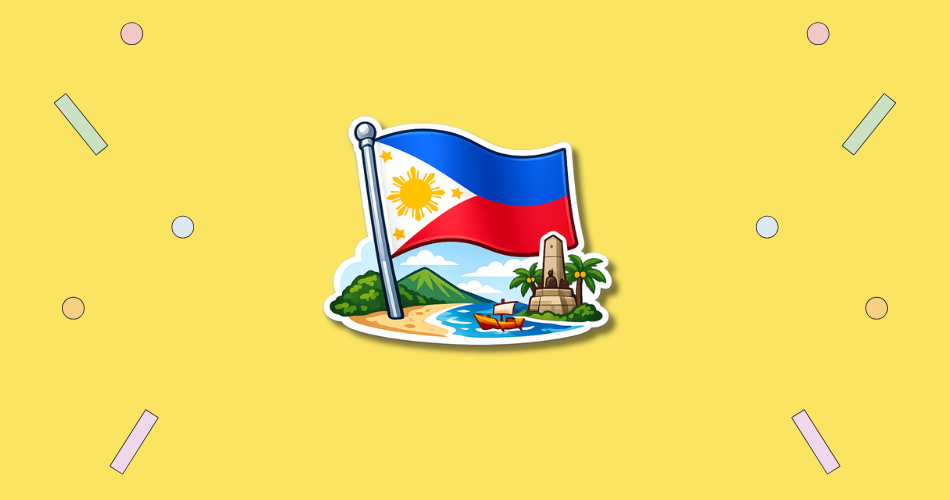
National Flag Day in the Philippines
Attend a flag-raising ceremony, civic program, parade, or local cultural event if one is available. In the Philippines, public ceremonies often include the national flag, speeches, wreath-laying, performances, and community gatherings. Families can also mark the day at home by preparing Filipino food, watching a historical program, or discussing the meaning of the holiday with children. The most useful activities are those that connect celebration with real knowledge of the country’s history.
For a more reflective observance, read about the Philippine Revolution, Emilio Aguinaldo, Ambrosio Rianzares Bautista, and the events in Kawit, Cavite. Visiting a historical site, museum, library exhibit, or cultural center can make the date feel more concrete. Filipino communities abroad often use the holiday to organize festivals, heritage programs, dance performances, and public displays of the Philippine flag. These gatherings are a way to honor independence while also strengthening community ties.
- Display the Philippine flag respectfully.
- Read about the 1898 proclamation in Kawit.
- Cook a Filipino meal with family or friends.
- Attend a local Filipino cultural program.
- Share a story about Philippine history with children.
Philippines Independence Day Dates
| Year | Date | Day of the week |
|---|---|---|
| 2026 | June 12 | Friday |
| 2027 next | June 12 | Saturday |
| 2028 | June 12 | Monday |
| 2029 | June 12 | Tuesday |
| 2030 | June 12 | Wednesday |