
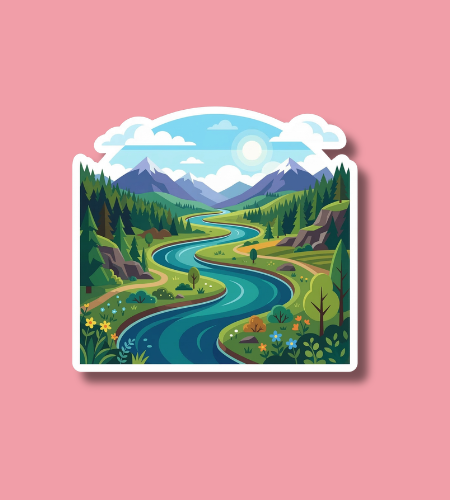
International Day of Action for Rivers is a global environmental observance held on March 14. This day is dedicated to advocating for the protection of freshwater ecosystems and raising awareness about the importance of equitable river management. It serves as a unified platform for communities to speak out against destructive water projects, such as large-scale dams, and to demand the restoration of natural river flows. By focusing on the health of these vital waterways, the day emphasizes the link between clean water, biodiversity, and the survival of human communities.
Read also about National River Day
Table of Contents
History of International Day of Action for Rivers
The origins of this observance date back to March 1997, during the First International Meeting of People Affected by Dams held in Curitiba, Brazil. Representatives from 20 countries gathered to discuss the social and environmental consequences of large dam projects that displaced millions of people and destroyed river habitats. They collectively decided that the International Day of Action would fall on March 14, which was already recognized as Brazil’s Day of Action Against Large Dams. The goal was to build a global network of activists committed to protecting rivers and the rights of the people who depend on them.
The movement was spearheaded by organizations such as International Rivers and the Movement of People Affected by Large Dams (MAB). Since its inception, the day has evolved from a specific protest against dams into a broader celebration of free-flowing rivers and watershed health. Over the decades, the scope has expanded to address modern threats like industrial pollution, climate change, and habitat fragmentation. Today, thousands of people in dozens of countries participate in events ranging from scientific seminars to grassroots protests, all aiming to preserve the world’s lifelines for future generations. 1
Why is International Day of Action for Rivers important?
Rivers are the biological arteries of the planet, supporting more species per square mile than many land-based ecosystems. This day is important because it highlights the critical role rivers play in providing drinking water, irrigation for crops, and natural flood control through healthy floodplains. When rivers are dammed or polluted, these essential services are compromised, leading to economic instability and the loss of biodiversity. The observance forces a global conversation about sustainable energy and water management practices that prioritize ecological health alongside human needs.
Furthermore, the holiday brings attention to the cultural and spiritual significance of rivers for many indigenous and local communities. For these groups, a river is often a sacred entity or a primary source of livelihood that defines their heritage. International Day of Action for Rivers provides these communities with a voice to challenge projects that threaten their way of life. By advocating for “free-flowing” rivers, the day promotes the idea that natural water cycles are necessary for the long-term resilience of the planet’s climate and food security systems.
- Rivers act as primary conduits for nutrients that fertilize deltas and coastal fisheries.
- Healthy rivers and wetlands store carbon, helping to mitigate the effects of climate change.
- The observance empowers communities to participate in decisions regarding their local water sources.
- Millions of people rely directly on inland river fisheries for their daily protein intake.
- Protecting river banks with native plants prevents soil erosion and maintains water quality.
How to Observe International Day of Action for Rivers
Observing this day often involves direct engagement with local waterways to understand their current condition. Many participants join organized river clean-ups, where volunteers remove plastic waste and debris from banks to prevent pollution from reaching the ocean. Others take part in “river walks” or paddle tours to appreciate the natural beauty and wildlife of their region. These activities help foster a sense of stewardship and personal connection to the water that sustains the local community.
Educational events are also a cornerstone of the observance. Many environmental groups host workshops on watershed mapping, identifying local pollutants, or the benefits of dam removal. For those who cannot visit a river in person, digital advocacy plays a large role; people share information about threatened rivers and sign petitions to support legislation for water protection. Whether through physical labor or spreading awareness, the objective is to ensure that rivers remain healthy, clean, and unblocked for all living things.
- Join a local volunteer group to remove trash and invasive species from a nearby riverbank.
- Attend a seminar or webinar about sustainable water management and dam-free energy.
- Document local river health by taking photos of wildlife and water clarity for citizen science.
- Support organizations that work to restore natural habitats and remove obsolete barriers.
- Share educational resources about the importance of free-flowing rivers on social media.
International Day of Action for Rivers Dates Table
| Year | Date | Day |
|---|---|---|
| 2026 | March 14 | Saturday |
| 2027 | March 14 | Sunday |
| 2028 | March 14 | Tuesday |
| 2029 | March 14 | Wednesday |
| 2030 | March 14 | Thursday |
Subscribe to our newsletter and never miss a holiday again!