
International Day of Action for Women’s Health
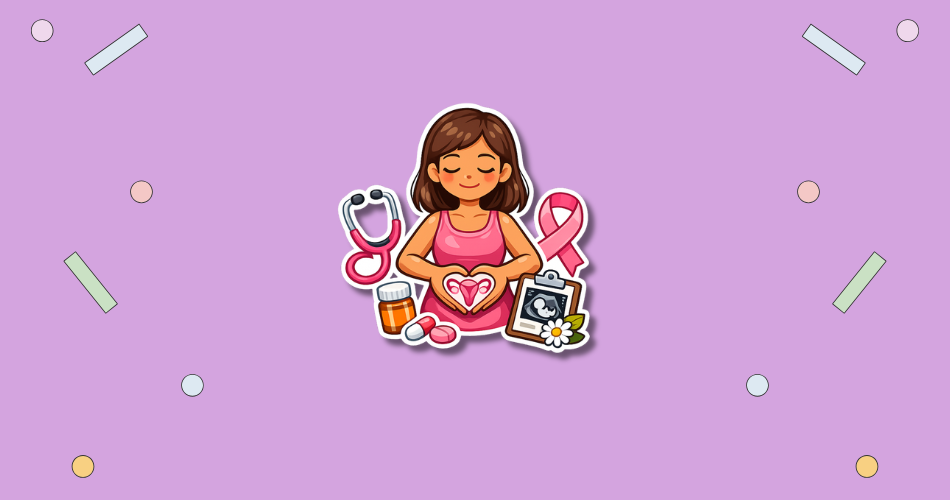
International Day of Action for Women’s Health is observed every year on May 28. In 2027, this date falls on a Friday. This international observance focuses on women’s health, bodily autonomy, and sexual and reproductive health and rights. It is a day for advocacy, education, and public pressure aimed at making health systems more accessible, respectful, and accountable. The tone of the day is awareness-based and action-oriented, especially for issues that affect women, girls, and gender-diverse people in unequal or under-resourced settings. 1 2 3 4
Contents
HT Meter
Does this day matter to you?
Say that it does, and say whether you will be marking it. Both are anonymous to nobody but kind to everybody.
This day matters to me
0 Be the first to say so
Quietly remembered
0 Nobody has said so yet
Notes of remembrance
Join those marking this day to share a word, a memory, or the reason it matters to you.
These notes are kept for the people marking this day. Say you will be marking it to read them and to leave your own.
You have already shared a note here recently.
No notes yet. Yours would be the first.
See also: Women’s Healthy Weight Day, World Women’s Wellness Day, Women’s Global Happiness Day, National Women’s Check-up Day, Sex Differences in Health Awareness Day
History of International Day of Action for Women’s Health
The inception of the International Day of Action for Women’s Health dates back to 1987, during the Fifth International Women’s Health Meeting in Costa Rica. It was here that the Latin American and Caribbean Women’s Health Network (LACWHN) and the Women’s Global Network for Reproductive Rights (WGNRR) declared May 28 as a day dedicated to women’s health issues. The primary objective was to bring attention to the pressing health challenges faced by women globally and to advocate for their rights to accessible and quality healthcare. 2
World Health Day
Since its establishment, May 28 has been recognized internationally, with various activities and campaigns organized by women’s and health groups worldwide. In 1999, the day received official recognition from the government of South Africa, further solidifying its importance on the global stage. Over the years, the observance has expanded its focus to encompass a broad range of issues, including maternal health, access to contraception, safe abortion, and the fight against gender-based violence.
Why is International Day of Action for Women’s Health important?
International Day of Action for Women’s Health is crucial because it highlights the persistent inequalities and challenges women face in accessing comprehensive healthcare. Despite advancements in medical science, many women worldwide still lack access to essential health services, particularly in areas related to sexual and reproductive health. This day serves as a reminder of the work that remains to be done to ensure that all women can exercise their right to health without discrimination or barriers.
Moreover, the observance provides an opportunity to amplify the voices of women and communities advocating for change. It encourages dialogue, education, and policy reform, aiming to dismantle systemic obstacles that hinder women’s health rights. By bringing these issues to the forefront, the day fosters a collective commitment to building a more equitable and inclusive healthcare system for all women.
- Raises awareness about women’s health rights and issues
- Advocates for policy changes to improve healthcare access
- Empowers women to take charge of their health decisions
- Encourages global solidarity and collective action
- Promotes education and awareness on sexual and reproductive health
How to Observe International Day of Action for Women’s Health
Make it yours
How would you like to spend International Day of Action on Women’s Health?
Tick what fits you, and we will put together ideas made for this day — not for any day.
International Women's Day
Observing International Day of Action for Women’s Health can take many forms, from individual actions to community-wide initiatives. One effective way to participate is by educating oneself and others about women’s health issues. This could involve attending webinars, reading articles, or engaging in discussions that shed light on the challenges and solutions related to women’s health.
Read about current women’s health issues in the place where you live, especially barriers that affect low-income communities, young people, migrants, people with disabilities, LGBTQIA+ people, and rural populations. Share reliable information about sexual and reproductive health, local health services, patient rights, and support organizations. Health professionals, educators, and employers can use the day to review whether their policies make care easier to access or harder to navigate. Community groups can host discussions, invite speakers, or connect people with practical resources rather than treating the day as a symbolic gesture.
A more personal way to mark the observance is to listen carefully to women’s health experiences without minimizing pain, delay, fear, or frustration. Many people encounter medical bias when reporting symptoms related to menstruation, pregnancy, fertility, menopause, chronic pain, or reproductive conditions. The day is a useful moment to support patient-centered care, informed consent, confidentiality, and the right to make decisions about one’s own body. It also encourages people to look beyond individual choices and ask whether public systems are funded, staffed, and designed to protect health equitably.
- Make space for honest conversations about medical bias.
- Learn about reproductive health rights in your area.
- Share accurate information from trusted health organizations.
- Support groups working on women’s health access.
- Ask local leaders to protect essential health services.
- Attend educational events or webinars on women’s health
- Engage in discussions to raise awareness
- Advocate for policy reforms to improve healthcare access
- Share information on social media to spread awareness
International Day of Action for Women’s Health Dates Table
| Year | Date | Day of the week |
|---|---|---|
| 2026 | May 28 | Thursday |
| 2027 next | May 28 | Friday |
| 2028 | May 28 | Sunday |
| 2029 | May 28 | Monday |
| 2030 | May 28 | Tuesday |