International Non‑Binary People’s Day
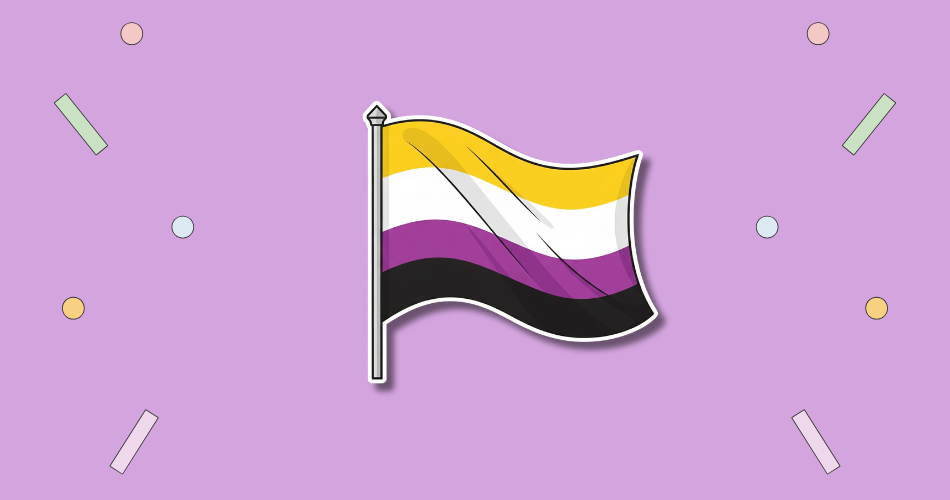
International Non‑Binary People’s Day, observed annually on July 14, is a day to celebrate those whose gender identity exists outside the traditional male–female binary. In 2027, this date falls on a Wednesday. Established in 2012 by Katje van Loon, this observance falls exactly halfway between International Women’s Day on March 8 and International Men’s Day on November 19—and shines a light on the diversity, struggles, and voices of non‑binary individuals.
Contents
HT Meter
Does this day matter to you?
Say that it does, and say whether you will be marking it. Both are anonymous to nobody but kind to everybody.
This day matters to me
0 Be the first to say so
Quietly remembered
0 Nobody has said so yet
Notes of remembrance
Join those marking this day to share a word, a memory, or the reason it matters to you.
These notes are kept for the people marking this day. Say you will be marking it to read them and to leave your own.
You have already shared a note here recently.
No notes yet. Yours would be the first.
History of International Non‑Binary People’s Day
The first celebration took place in 2012, created to affirm and recognize non‑binary identities around the world. Its positioning between Women’s and Men’s Days was intentional, meant to underscore that gender identity transcends the binary and deserves its own space.
Since then, the day has grown through grassroots activism, organizational campaigns, and global awareness efforts, often kicking off Non‑Binary Awareness Week—a dedicated period of education and visibility leading up to July 14.
Why International Non‑Binary People’s Day matters
This day is more than symbolic—it’s a catalyst for acceptance and understanding. It reminds us that gender isn’t always confined to male or female, and that non‑binary folks face unique misunderstandings and barriers—from legal invisibility to healthcare discrimination. Celebrating their identities brings much-needed acknowledgement.
Pronouns Day
Beyond awareness, it advocates for real change: asking for pronoun respect, inclusive policies, better data collection, and legal recognition. Recognizing non‑binary experiences makes society more equitable and inclusive—because acknowledging one group’s rights uplifts everyone.
- opens space for non‑binary voices
- promotes respectful use of pronouns
- highlights varied experiences within gender diversity
- builds empathy and community support
- encourages policy changes for recognition
How to observe International Non‑Binary People’s Day
Make it yours
How would you like to spend International Non-Binary People's Day?
Tick what fits you, and we will put together ideas made for this day — not for any day.
You don’t need a big event—just authentic actions. Start by learning: read articles, stories, or watch talks by non‑binary individuals. Share their experiences with friends and on social media using educational hashtags to raise awareness.
In your community—work, school, or social circles—introduce your pronouns, ask others for theirs, and gently correct misuse when you hear it. If you can, support non‑binary groups through donations, volunteering, or attending events. These small steps help foster respect and understanding.
- educate yourself by reading or watching non‑binary voices
- introduce and encourage pronoun sharing in conversation
- correct misgendering with kindness and support
- attend an awareness event or host a respectful discussion
- donate or volunteer with non‑binary advocacy groups
International Non‑Binary People’s Day Dates Table
| Year | Date | Day |
|---|---|---|
| 2026 | July 14 | Tuesday |
| 2027 | July 14 | Wednesday |
| 2028 | July 14 | Friday |
| 2029 | July 14 | Saturday |
| 2030 | July 14 | Sunday |
International Transgender Day of Visibility
Thank you for your feedback!
Fuel the next post!
Sorry to hear you didn't enjoy this article...
National Transgender Children Day
Help us make it better!