


Liberia Independence Day
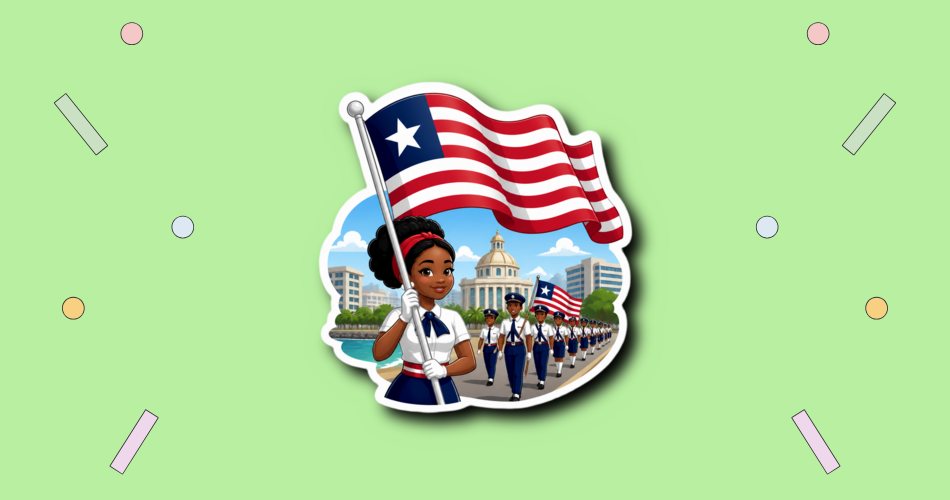
Liberia Independence Day is celebrated annually on July 26. In 2027, this date falls on a Monday. This national holiday marks the country's declaration of independence in 1847, when Liberia became Africa's first republic and a symbol of self-governance for freed slaves from the United States.
Contents
HT Meter
Does this day matter to you?
Tap the meter if it does, and say whether you will be celebrating — that is what opens the wishes from everybody else who will be.
This day matters to me
0 Be the first to say so
Just getting started
0 Let others know you’re in.
Wishes, greetings and stories
Join the celebration to share a wish, a greeting, or how this day goes in your house.
These are kept for the people celebrating this day. Say you will be celebrating to read them and to add your own.
You have already shared something here recently.
Nothing here yet. Yours would be the first.
History of Liberia Independence Day
The origins of Liberia Independence Day trace back to the early 1800s, when the American Colonization Society began resettling freed African-American slaves on the West African coast. The first settlers arrived in 1822 and established a colony near what is now Monrovia. Over the following decades, the settlers, known as Americo-Liberians, built a society modeled on the United States, with English as the official language and a constitution that mirrored the American system.
On July 26, 1847, Liberia declared its independence from the American Colonization Society, adopting a constitution and electing Joseph Jenkins Roberts as its first president. This event made Liberia the first independent black republic in Africa, a milestone that resonated across the continent and the African diaspora. The day has been celebrated ever since as a testament to the nation's founding ideals of freedom and self-determination.
Why is Liberia Independence Day important?
Liberia Independence Day is a powerful reminder of the country's unique history as a haven for freed slaves and its role as a pioneer of African independence. It honors the resilience of the Liberian people, who have overcome decades of civil war and economic hardship to maintain their sovereignty. The holiday also serves as a moment of national unity, bringing together diverse ethnic groups to celebrate shared identity and progress.
- It commemorates Liberia's status as Africa's oldest republic and a symbol of black self-governance.
- The day highlights the contributions of the Americo-Liberian settlers and indigenous communities to the nation's development.
- It provides an opportunity to reflect on Liberia's journey from colonization to independence and its ongoing efforts to build peace and prosperity.
- The holiday fosters cultural pride through traditional music, dance, and cuisine, showcasing Liberia's rich heritage.
- It reinforces the importance of democratic values and the peaceful transfer of power, as seen in recent elections.
How to Celebrate Liberia Independence Day
Make it yours
How would you like to spend Liberia Independence Day?
Tick what fits you, and we will put together ideas made for this day — not for any day.
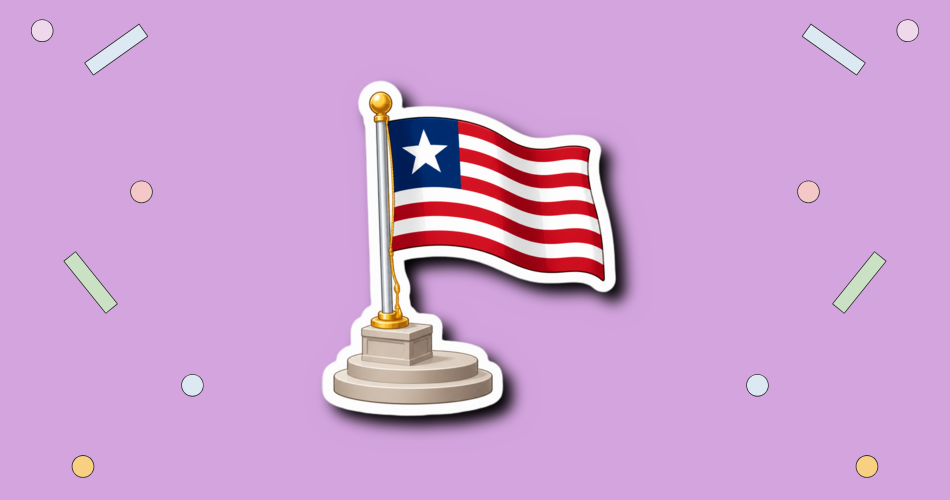
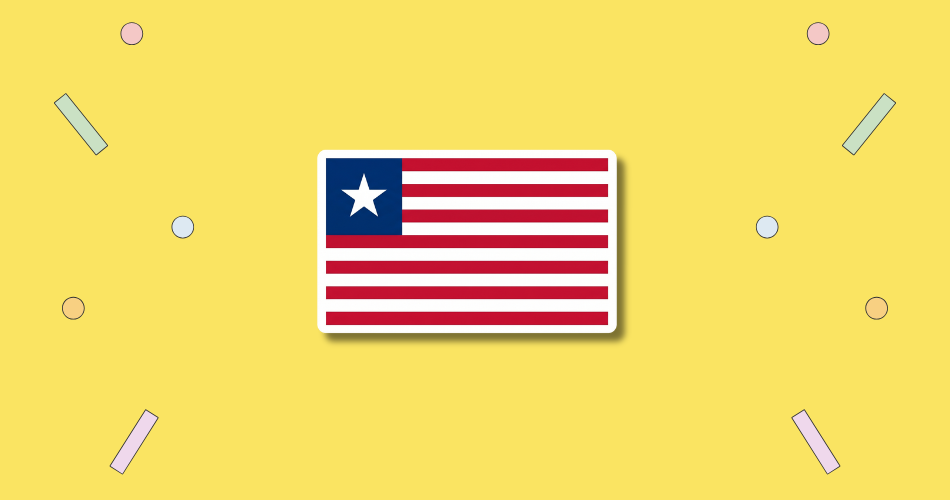
National Flag Day in Liberia
Liberians celebrate Independence Day with vibrant parades, flag-raising ceremonies, and cultural performances that feature traditional music and dance. Families gather for festive meals that include dishes like jollof rice, cassava leaf stew, and fried plantains, often accompanied by palm wine or local beers. Communities organize street parties, sports events, and beauty pageants, while government officials deliver speeches emphasizing national unity and progress.
Many Liberians also use the day to give back through volunteer work or community clean-up projects. Schools and churches hold special programs that teach children about the country's history and the meaning of independence. For those abroad, diaspora communities host events featuring Liberian food, music, and art, keeping the spirit of the holiday alive across the globe.
- Attend a local parade or watch the official celebrations in Monrovia.
- Cook or enjoy traditional Liberian dishes like fufu and pepper soup.
- Listen to Liberian music genres such as highlife or hipco.
- Visit the Liberian National Museum to learn about the country's history.
- Share stories and photos on social media using #LiberiaIndependenceDay.
Liberia Independence Day Dates
| Year | Date | Day of the week |
|---|---|---|
| 2026 | July 26 | Sunday |
| 2027 next | July 26 | Monday |
| 2028 | July 26 | Wednesday |
| 2029 | July 26 | Thursday |
| 2030 | July 26 | Friday |
Sorry to hear you didn't enjoy this article...
Help us make it better!