



Mexican Independence Day
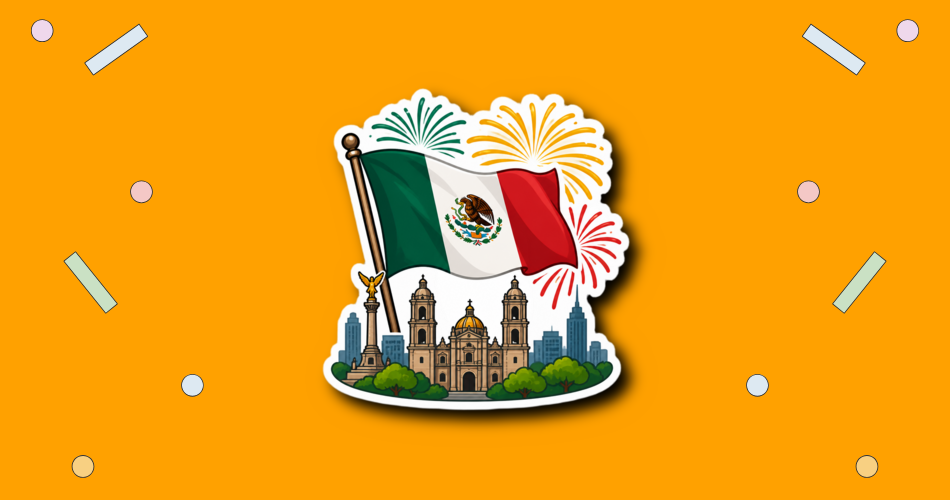
Mexican Independence Day is celebrated annually on September 16. In 2027, this date falls on a Thursday. This national holiday commemorates the moment in 1810 when Father Miguel Hidalgo y Costilla rang his church bell and delivered the Grito de Dolores, sparking the Mexican War of Independence. For over two centuries, Mexicans and people of Mexican heritage around the world have marked the date with patriotic displays, music, food, and community gatherings that honor the country’s hard-won freedom and rich cultural traditions.
Contents
HT Meter
Does this day matter to you?
Tap the meter if it does, and say whether you will be celebrating — that is what opens the wishes from everybody else who will be.
This day matters to me
0 Be the first to say so
Just getting started
0 Let others know you’re in.
Wishes, greetings and stories
Join the celebration to share a wish, a greeting, or how this day goes in your house.
These are kept for the people celebrating this day. Say you will be celebrating to read them and to add your own.
You have already shared something here recently.
Nothing here yet. Yours would be the first.
History of Mexican Independence Day
Mexico was known as New Spain for more than 300 years, a colony under the harsh rule of the Spanish crown. Native peoples were oppressed, farmland and wealth were confiscated, and only Spaniards could hold political office. The growing resentment finally boiled over on September 16, 1810, when Miguel Hidalgo y Costilla, a Catholic priest in the town of Dolores, rang his church’s bell and delivered a fiery speech now known as the Grito de Dolores (Cry of Dolores). He called for an end to Spanish rule, and that cry ignited the Mexican War of Independence, a brutal conflict that would last more than a decade.
The war did not end quickly. Hidalgo was captured and executed in 1811, but his army of loyal revolutionaries continued fighting in his honor. The struggle finally concluded on August 24, 1821, when Spain signed the Treaty of Córdoba, recognizing Mexico as an independent country. Since that historic day, the anniversary of Hidalgo’s call to arms has been celebrated each year on September 16. Today, he is known as the Father of Mexican Independence, and his original bell hangs in the National Palace in Mexico City, where the president rings it every year on the eve of Independence Day.
Why is Mexican Independence Day important?
Mexican Independence Day is a celebration of freedom and national identity. Just as Americans celebrate July 4 and the French celebrate Bastille Day, this day honors the birth of a sovereign nation. It is a reminder of the courage and sacrifice of those who fought for self-determination, and it strengthens the bonds of community among Mexicans both at home and abroad. The holiday also showcases the vibrant culture of Mexico—its music, art, cuisine, and traditions—making it a moment of deep national pride.
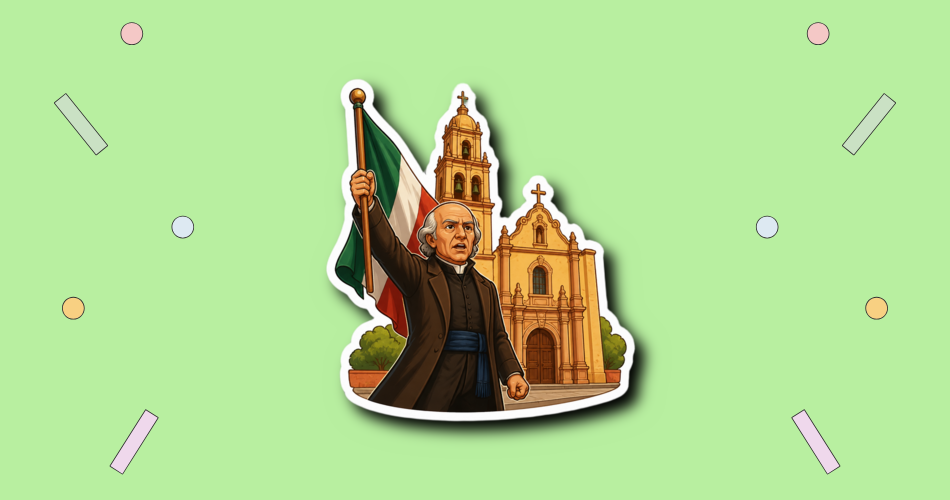
Shout of Dolores
Beyond its historical significance, the day is a joyful occasion that brings people together. From the president’s reenactment of the Grito de Dolores on the evening of September 15 to the fireworks, parades, and family feasts on the 16th, the celebration is filled with color and energy. The colors of the Mexican flag—red, white, and green—are seen everywhere, and crowds chant “Viva México!” and “Viva la independencia nacional!” in the streets. It is a day to remember the past while celebrating the present.
- Celebrates freedom: Just like other independence days, Mexican Independence Day honors the nation’s liberation from colonial rule. The Grito de Dolores is a powerful symbol of the enduring human desire for liberty.
- Brings communities together: Millions of people worldwide participate, including the large Mexican diaspora in the United States. The holiday creates a shared sense of identity and belonging across borders.
- Showcases Mexican culture: Traditional mariachi music, folk dances, and homemade dishes like pozole, menudo, and chiles en nogada are central to the festivities. The day is a vibrant display of cultural heritage.
- Inspires national pride: The president’s annual ringing of the 200-year-old bell and the recitation of the Grito de Dolores is watched by millions on television, reinforcing a collective spirit of patriotism.
- Educates about history: The holiday reminds people of the struggle for independence and the importance of understanding the past. It also corrects common misconceptions, such as confusing Mexican Independence Day with Cinco de Mayo, which celebrates a different victory.
How to Celebrate Mexican Independence Day
Make it yours
How would you like to spend Mexican Independence Day?
Tick what fits you, and we will put together ideas made for this day — not for any day.
You don’t have to be Mexican to join the celebration. One of the best ways to participate is to enjoy a meal at a local Mexican restaurant, where you can sample traditional dishes like pozole (a hearty hominy and pork soup), menudo (beef stew), or chiles en nogada (stuffed poblano peppers topped with walnut cream sauce and pomegranate seeds). Pair your food with a cold Mexican beer, sangria, or a classic tequila drink. If you’re feeling adventurous, try making a traditional Mexican ponche (fruit punch) with sugarcane, oranges, and guavas, or whip up some queso fundido, a melted cheese fondue seasoned with lime and garlic. Many restaurants and grocery stores offer special deals and themed menus around this date.
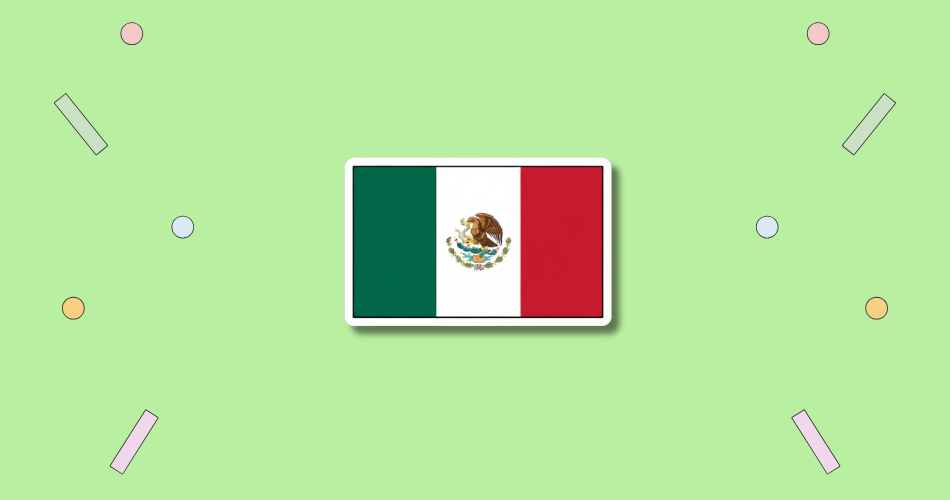
Another meaningful way to observe the day is to display the Mexican flag—green, white, and red—outside your home or in your yard. The flag’s vertical stripes represent independence, Roman Catholicism, and unity. You can also watch the live broadcast of the Grito de Dolores reenactment, which takes place on the evening of September 15, when the president of Mexico rings the historic bell and delivers the cry from the National Palace in Mexico City. The event is broadcast on Mexican television and radio, and it marks the official start of the festivities. Join the celebration by shouting “¡Viva México!” along with the crowd.
- Cook a traditional Mexican meal: Prepare dishes like pozole, menudo, or chiles en nogada at home. Use ingredients that reflect the colors of the flag—green, white, and red—for a festive table.
- Attend a local parade or festival: Many cities with large Mexican populations host parades, live music performances, and cultural events on September 16. Check your community calendar for local happenings.
- Decorate in red, white, and green: Hang banners, balloons, and flowers in the colors of the Mexican flag. Simple decorations can transform your home or office into a festive space.
- Learn about the history: Read about Miguel Hidalgo and the Mexican War of Independence. Share the story of the Grito de Dolores with friends and family to deepen appreciation for the holiday.
- Support Mexican businesses: Visit a Mexican-owned restaurant, bakery, or market. Buy traditional ingredients or handmade crafts to celebrate and support the community.
Mexican Independence Day Dates
| Year | Date | Day of the week |
|---|---|---|
| 2026 | September 16 | Wednesday |
| 2027 next | September 16 | Thursday |
| 2028 | September 16 | Saturday |
| 2029 | September 16 | Sunday |
| 2030 | September 16 | Monday |