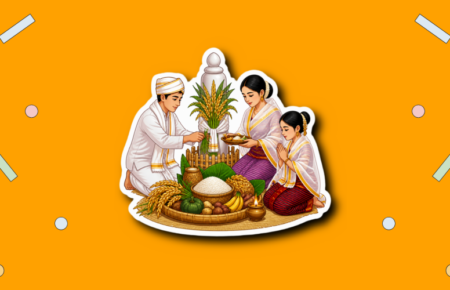



Nag Panchami

Nag Panchami is a Hindu festival dedicated to the worship of snakes, who are regarded as sacred beings and divine protectors. It is observed annually on August 17. In 2027, this date falls on a Tuesday. Devotees offer milk, flowers, and prayers to snake idols or live snakes, seeking the removal of karmic and astrological imbalances from their lives.
Contents
HT Meter
Does this day matter to you?
Tap the meter if it does, and say whether you will be celebrating — that is what opens the wishes from everybody else who will be.
This day matters to me
0 Be the first to say so
Just getting started
0 Let others know you’re in.
Wishes, greetings and stories
Join the celebration to share a wish, a greeting, or how this day goes in your house.
These are kept for the people celebrating this day. Say you will be celebrating to read them and to add your own.
You have already shared something here recently.
Nothing here yet. Yours would be the first.
History of Nag Panchami
The origins of Nag Panchami are rooted in ancient Hindu mythology and the Indus Valley Civilization, where serpent worship was already practiced. One famous legend from the Bhagavata Purana tells of Lord Krishna subduing the poisonous serpent Kaliya. Instead of killing Kaliya, Krishna danced on his many heads and forced him to leave the Yamuna River, showing mercy and establishing a reverence for serpent beings. Another story connects the festival to Lord Shiva, who is often depicted with a coiled serpent around his neck, symbolizing mastery over fear and ego, and to Lord Vishnu, who rests on the serpent Shesha, representing cosmic balance.
Nag Panchami is celebrated on the fifth day of the bright fortnight (Shukla Paksha) in the lunar month of Shravana. The festival honors the Ashta Nagas, eight divine serpent kings, including Vasuki, Takshaka, and Kaliya. It is believed that worshipping these serpent deities offers protection from snakebites, removes the malefic effects of Kaal Sarp Dosha and Rahu-Ketu afflictions, and brings balance to nature. The festival also highlights the ecological role of snakes as natural pest controllers, encouraging harmony between humans and wildlife.
Why is Nag Panchami important?
Nag Panchami holds deep spiritual and astrological significance. The serpent, or Naga, represents cosmic energy, transformation, and hidden forces of nature. Worshipping snakes on this day is believed to reduce the negative effects of planets such as Rahu and Ketu, which are associated with fears and karmic lessons. For people with Sarpa Dosha or Kala Sarpa Yoga in their birth charts, performing Nag Panchami Puja is considered auspicious to remove obstacles and bring divine protection. The festival also teaches the balance between fear and respect, and the importance of honoring forces beyond human control.
- It is believed to purify karmic imbalances and astrological afflictions.
- The festival fosters ecological awareness by protecting snakes, which are vital for biodiversity.
- It connects devotees to the ancient tradition of serpent worship found in many cultures.
- Observing rituals such as fasting and meditation is thought to awaken hidden spiritual energy (Kundalini).
- The day promotes community bonding, family blessings, and the practice of mindfulness and devotion.
How to Celebrate Nag Panchami
Make it yours
How would you like to spend Nag Panchami?
Tick what fits you, and we will put together ideas made for this day — not for any day.

National Serpent Day
On Nag Panchami, devotees perform puja (worship) of snake idols or images, often at home or in temples. They offer milk, flowers, turmeric, and kumkum to the serpent deities. In villages, people visit snake pits or anthills believed to be snake habitats, leaving milk and other offerings. Many also fast from sunrise to sunset, reciting mantras like the Ashta Nag mantra to honor the eight serpent kings. In some regions, women draw snake symbols on walls and doors, and married women visit their parents’ homes to perform rituals for their brothers’ protection. Modern celebrations increasingly use clay or metal snake idols instead of live snakes to avoid harming the animals.
Another way to observe the day is by participating in charitable acts or environmental awareness campaigns about snake conservation. People may also take a ritual bath in a river or pond, symbolizing purification. In urban areas, families gather for special prayers, meditation sessions, and storytelling about the legends of Nag Panchami. The festival encourages a respectful attitude toward nature, and many communities now combine traditional rituals with educational programs about the ecological importance of snakes. Devotees can also wear or keep sacred threads (Naga Bandhan) for protection against negative energies.
Nag Panchami Dates
| Year | Date | Day of the week |
|---|---|---|
| 2026 | August 17 | Monday |
| 2027 next | August 17 | Tuesday |
| 2028 | August 17 | Thursday |
| 2029 | August 17 | Friday |
| 2030 | August 17 | Saturday |

Sorry to hear you didn't enjoy this article...
Help us make it better!