
Raksha Bandhan
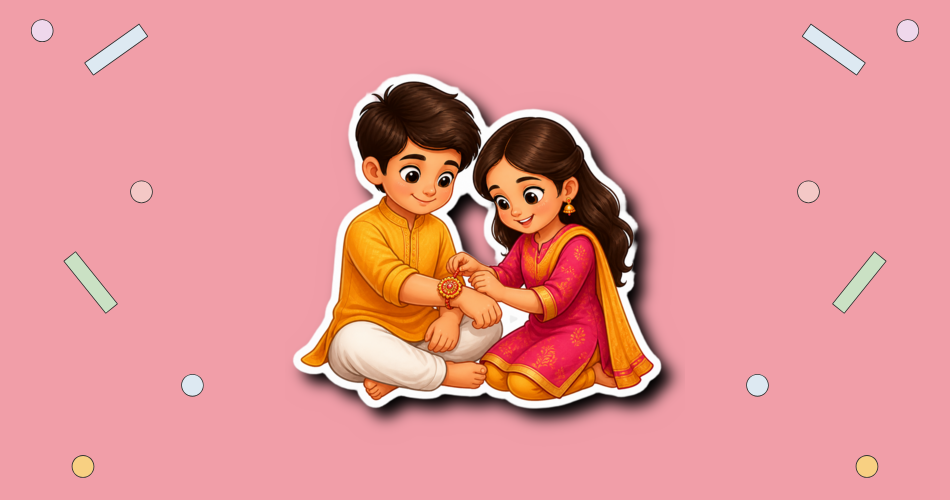
Raksha Bandhan is celebrated annually on the full moon of the Hindu month of Shravana. In 2027, this date falls on August 27. This Hindu festival, also known as Rakhi Purnima or simply Rakhi, honors the special bond between brothers and sisters through a ritual of tying a sacred thread.
Contents
HT Meter
Does this day matter to you?
Tap the meter if it does, and say whether you will be celebrating — that is what opens the wishes from everybody else who will be.
This day matters to me
0 Be the first to say so
Just getting started
0 Let others know you’re in.
Wishes, greetings and stories
Join the celebration to share a wish, a greeting, or how this day goes in your house.
These are kept for the people celebrating this day. Say you will be celebrating to read them and to add your own.
You have already shared something here recently.
Nothing here yet. Yours would be the first.
History of Raksha Bandhan
The origins of Raksha Bandhan are deeply rooted in Hindu mythology and ancient traditions. The festival's name itself translates to "the bond of protection," reflecting its core theme of safeguarding and mutual care. One popular legend tells of the bond between Lord Krishna and Draupadi, where Krishna's promise to protect Draupadi was sealed when she tied a strip of cloth around his bleeding wrist. This act is considered a precursor to the modern Rakhi ceremony.
Historical records also show that the festival was observed by royal families and communities across India for centuries. The tradition of sisters tying protective threads on their brothers' wrists was a way to invoke divine blessings and ensure the brother's safety in times of war or travel. Over time, the festival evolved from a regional custom into a widely celebrated Hindu observance, with the ritual of tying the Rakhi becoming a symbol of love, duty, and familial loyalty.
Why is Raksha Bandhan important?
Raksha Bandhan holds profound significance in Hindu culture as it celebrates the unique and enduring relationship between siblings. The festival reinforces the values of love, protection, and mutual respect that form the foundation of family bonds. It is a day when sisters express their affection and prayers for their brothers' well-being, while brothers reaffirm their commitment to protect and support their sisters throughout life.

National Brothers and Sisters Day
Beyond the immediate family, Raksha Bandhan also promotes broader social harmony and unity. The festival encourages people to strengthen relationships and foster a sense of belonging within communities. It serves as a reminder of the importance of loyalty and faith in maintaining healthy connections with others.
- The ritual of tying the Rakhi symbolizes the sister's love and the brother's promise of protection.
- Sisters perform an aarti and apply a tilak of roli and rice on their brother's forehead for blessings.
- The sacred thread, known as Rakhi, is believed to have the power to protect the brother from harm.
- Families exchange gifts and sweets, further strengthening their emotional ties.
- The festival is also an occasion for siblings living apart to reconnect and celebrate their bond.
How to Celebrate Raksha Bandhan
Make it yours
How would you like to spend Raksha Bandhan?
Tick what fits you, and we will put together ideas made for this day — not for any day.
Celebrating Raksha Bandhan involves a series of heartfelt rituals that bring siblings and families together. The day typically begins with sisters preparing a thali containing the Rakhi, roli, rice, and sweets. They then tie the sacred thread around their brother's wrist while chanting prayers for his long life and prosperity. Brothers, in turn, give gifts and promise to protect their sisters. Many families also prepare special meals and share traditional sweets like ladoos or barfi to mark the occasion.
For those living away from their siblings, modern celebrations include sending Rakhi and gifts through online services or video-calling to perform the ceremony virtually. Communities and temples often organize events where people can tie Rakhis to one another as a symbol of universal brotherhood. The festival is also an opportunity to strengthen bonds with cousins, friends, and even neighbors, extending the spirit of love and protection beyond biological siblings.
Raksha Bandhan Dates
| Year | Date | Day of the week |
|---|---|---|
| 2026 | August 28 | Friday |
| 2027 next | August 27 | Friday |
| 2028 | August 25 | Friday |
| 2029 | August 31 | Friday |
| 2030 | August 30 | Friday |

Thank you for your feedback!
Fuel the next post!
Sorry to hear you didn't enjoy this article...

National Brother's Day
Help us make it better!