



National Baby-Led Weaning Day
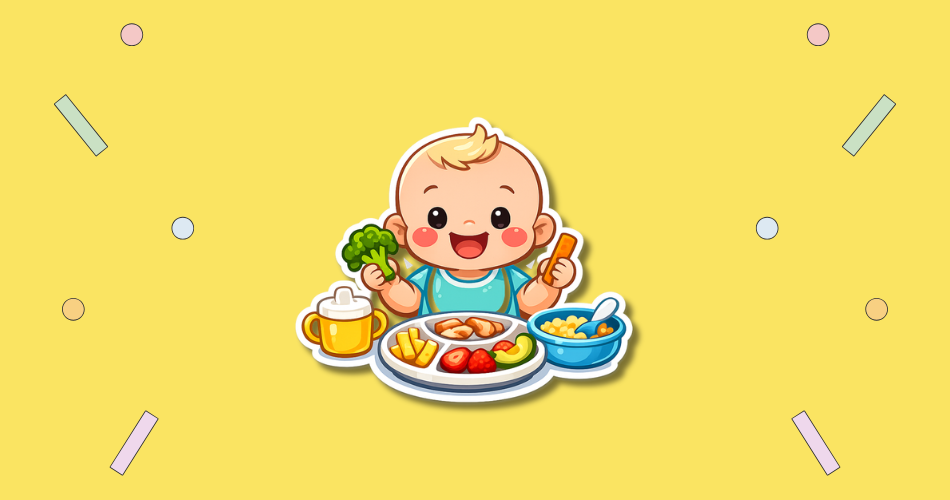
National Baby-Led Weaning Day is observed every year on July 1. In 2027, this date falls on a Thursday. The awareness day focuses on baby-led weaning, an approach to starting solids in which babies feed themselves safe, soft finger foods rather than relying only on spoon-fed purées. It gives parents and caregivers a reason to learn about readiness signs, safe food preparation, and the role of variety during a baby’s first eating experiences. The day is especially connected with the idea that solid foods usually begin around the six-month mark, when a baby is developmentally ready. 1 2
Contents
See also: Baby Day, Baby Massage Day, Baby Sleep Day, Love’s Baby Soft Day
HT Meter
Does this day matter to you?
Say that it does, and say whether you will be marking it. Both are anonymous to nobody but kind to everybody.
This day matters to me
0 Be the first to say so
Quietly remembered
0 Nobody has said so yet
Notes of remembrance
Join those marking this day to share a word, a memory, or the reason it matters to you.
These notes are kept for the people marking this day. Say you will be marking it to read them and to leave your own.
You have already shared a note here recently.
No notes yet. Yours would be the first.
History of National Baby-Led Weaning Day
National Baby-Led Weaning Day was created in 2021 by Katie Ferraro, a registered dietitian and nutrition educator known for her work in infant feeding and baby-led weaning. July 1 was chosen because it falls six months into the calendar year, reflecting the common guidance that babies are generally ready for foods other than breast milk or infant formula at about six months. The observance was designed to bring attention to safe complementary feeding and to help families understand that readiness is based on developmental signs, not only age.

Baby Day
Baby-led weaning as a feeding approach became widely associated with Gill Rapley, whose work helped bring the term into modern parenting and nutrition conversations. The method centers on letting babies participate in mealtimes, handle food, and eat at their own pace while caregivers provide safe options and close supervision. Today, the day is used by parents, caregivers, dietitians, and feeding educators to discuss first foods, choking prevention, responsive feeding, and the practical realities of messy early meals.
Why is National Baby-Led Weaning Day important?
Starting solid foods can feel confusing for families because advice often changes from one generation to the next. National Baby-Led Weaning Day helps organize the conversation around safety, readiness, and confidence. It points attention to signs such as sitting with support, steady head and neck control, interest in food, and the ability to bring objects to the mouth. Those details matter because safe feeding depends on a baby’s development as much as the calendar.
The day also supports a calmer view of early eating. Babies learn through touching, smelling, mouthing, gagging, dropping, and trying again, and that process can look messy before it looks successful. Baby-led weaning is not the only acceptable way to start solids, and many families use a mix of spoon-feeding and self-feeding. The larger value of the observance is that it gives caregivers better tools for offering a wide range of nutritious foods while respecting a baby’s pace.
- It helps families learn readiness signs before starting solids.
- It puts safety at the center of early feeding.
- It supports babies as active participants at mealtimes.
- It normalizes mess as part of learning to eat.
- It reminds caregivers to ask professionals when needed.
How to Observe National Baby-Led Weaning Day
Make it yours
How would you like to spend National Baby-Led Weaning Day?
Tick what fits you, and we will put together ideas made for this day — not for any day.

Take a Baby to Lunch Day
Read about the basics of starting solids before putting a baby in the high chair. A caregiver can review readiness signs, learn the difference between gagging and choking, and check how to cut or soften common first foods. Soft cooked vegetables, ripe fruit, strips of toast, eggs, yogurt on a preloaded spoon, and other age-appropriate foods may fit into a baby-led approach when prepared safely. A parent or caregiver should keep the baby upright, stay close, and watch every bite.
The day can also be useful for families who are not ready to begin yet. They can talk with a pediatrician, registered dietitian, or health visitor about allergies, iron-rich foods, premature birth, feeding delays, or other concerns. Caregivers can also use the day to reset expectations: early meals are often more about practice than quantity. A baby may squish food, lick it, spit it out, or ignore it, and those small experiences are still part of learning.
- Review your baby’s readiness signs.
- Prepare one soft food in a safe shape.
- Keep the baby seated upright during meals.
- Learn choking first aid before starting solids.
- Ask a health professional about feeding concerns.
National Baby-Led Weaning Day Dates
| Year | Date | Day of the week |
|---|---|---|
| 2026 | July 1 | Wednesday |
| 2027 next | July 1 | Thursday |
| 2028 | July 1 | Saturday |
| 2029 | July 1 | Sunday |
| 2030 | July 1 | Monday |