


Rwanda Independence Day

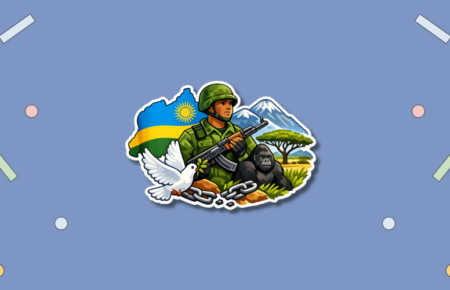
Rwanda Independence Day is observed every year on July 1. In 2027, this date falls on a Thursday. It is a public holiday in Rwanda and is also treated as the country’s national day. The day commemorates Rwanda’s independence from Belgium in 1962, after years of colonial administration and political change. It is a respectful national observance connected with sovereignty, identity, and reflection on the country’s modern history. 1
Contents
See also: International Day of Remembrance of the Victims of the Rwanda Genocide, Burundi Independence Day, Uganda Martyrs Day
HT Meter
Does this day matter to you?
Say that it does, and say whether you will be marking it. Both are anonymous to nobody but kind to everybody.
This day matters to me
0 Be the first to say so
Quietly remembered
0 Nobody has said so yet
Notes of remembrance
Join those marking this day to share a word, a memory, or the reason it matters to you.
These notes are kept for the people marking this day. Say you will be marking it to read them and to leave your own.
You have already shared a note here recently.
No notes yet. Yours would be the first.
History of Rwanda Independence Day
Rwanda’s road to independence was shaped by European colonial rule and the administration of the territory once known as Ruanda-Urundi. Rwanda was first placed in the German colonial sphere, then came under Belgian administration after World War I through international mandate and trusteeship arrangements. In the years leading up to independence, the country went through major political change, social tension, and violence. On July 1, 1962, Rwanda became independent from Belgium as the Republic of Rwanda.

Rwanda Liberation Day
The day is now understood as the anniversary of Rwanda’s sovereignty and formal emergence as an independent state. It is closely tied to the country’s national story, but it is not only a simple patriotic date. The history around independence includes colonial policies, political upheaval, and later national trauma, so the day is best approached with respect and care. Rwanda Independence Day gives readers a reason to learn about the country beyond a single date on the calendar.
Why is Rwanda Independence Day important?
Rwanda Independence Day matters because it marks the moment Rwanda became a sovereign nation. Independence changed the country’s legal and political status and ended Belgian colonial administration. For Rwandans, the date belongs to a larger history of self-government, national identity, and the difficult work of building institutions after colonial rule. It also helps place Rwanda’s later history in a clearer timeline.
The day has value for anyone learning about Africa, decolonization, or modern world history. Rwanda’s independence was part of a wider period in which many African countries moved away from colonial rule during the mid-20th century. Studying the day also encourages a more careful understanding of how colonial systems affected politics, communities, and borders. It is a national holiday, but it also invites serious historical learning.
- It marks Rwanda’s independence from Belgium.
- It honors the country’s sovereignty.
- It helps explain modern Rwandan history.
- It connects Rwanda to Africa’s decolonization era.
- It encourages respectful learning about the nation.
How to Observe Rwanda Independence Day
Make it yours
How would you like to spend Rwanda Independence Day?
Tick what fits you, and we will put together ideas made for this day — not for any day.

Burundi Independence Day
Read about Rwanda’s independence and the colonial history that preceded it. Look up a map of Rwanda, learn the names of major cities and regions, and place July 1, 1962, in the broader timeline of African independence movements. For families or classrooms, the day can be used for a short lesson on sovereignty, citizenship, and the responsibilities that come with nationhood. Keep the tone thoughtful rather than treating the date as only a festive occasion.
A more personal observance can include learning about Rwanda’s culture, languages, literature, music, and recent development. People outside Rwanda can support Rwandan cultural organizations, attend community events when available, or read work by Rwandan authors and historians. The day can also be a good moment to learn the difference between Independence Day on July 1 and Liberation Day on July 4, since both dates are important in Rwanda’s national calendar. Respectful curiosity is the best guide.
- Read a short history of Rwanda.
- Learn a few words in Kinyarwanda.
- Watch a documentary about Rwanda.
- Support a Rwandan cultural event.
- Discuss the meaning of national sovereignty.
Rwanda Independence Day Dates
| Year | Date | Day of the week |
|---|---|---|
| 2026 | July 1 | Wednesday |
| 2027 next | July 1 | Thursday |
| 2028 | July 1 | Saturday |
| 2029 | July 1 | Sunday |
| 2030 | July 1 | Monday |