


Rwanda Liberation Day

Rwanda Liberation Day is observed every year on July 4. In 2027, this date falls on a Sunday. It is a national public holiday in Rwanda that commemorates the end of the 1994 Genocide against the Tutsi and the country’s liberation. The day is known in Kinyarwanda as Kwibohora, and it carries both national pride and solemn remembrance. For many Rwandans, it is connected with honoring sacrifice, reflecting on survival, and recognizing the rebuilding of the country after one of the darkest chapters in its history. 1
Contents
See also: Rwanda Independence Day, International Day of Remembrance of the Victims of the Rwanda Genocide, Uganda Martyrs Day, African Liberation Day
HT Meter
Does this day matter to you?
Say that it does, and say whether you will be marking it. Both are anonymous to nobody but kind to everybody.
This day matters to me
0 Be the first to say so
Quietly remembered
0 Nobody has said so yet
Notes of remembrance
Join those marking this day to share a word, a memory, or the reason it matters to you.
These notes are kept for the people marking this day. Say you will be marking it to read them and to leave your own.
You have already shared a note here recently.
No notes yet. Yours would be the first.
History of Rwanda Liberation Day
Rwanda Liberation Day is rooted in the events of 1994, when the Genocide against the Tutsi devastated the country over roughly 100 days. The genocide began in April and ended in July, after the Rwanda Patriotic Army brought the killings to an end and took control of the country. July 4 became the date associated with liberation and the close of that period of mass violence. Because of this history, the holiday is not simply a patriotic date; it is tied to memory, rescue, national survival, and the difficult work of recovery.

Rwanda Independence Day
The day is also connected with Rwanda’s broader national calendar of remembrance. The official mourning period begins on April 7, the date of the Genocide against the Tutsi Memorial Day, and Liberation Day comes near the end of that season of reflection. Modern observances often include speeches, public ceremonies, community activities, and messages about unity, dignity, resilience, and national responsibility. The date gives Rwanda a way to look back at the cost of division while also marking the rebuilding of public life after 1994.
Why is Rwanda Liberation Day important?
Rwanda Liberation Day matters because it keeps attention on the lives lost, the people who survived, and the sacrifices made to stop the genocide. It also recognizes the transition from violence and insecurity toward a national project focused on rebuilding. The day asks for a respectful balance: it honors liberation without forgetting the suffering that made the date so significant. That balance is why the tone of the holiday is both patriotic and reflective.
The observance also has educational value beyond Rwanda. It helps people understand that national holidays can carry painful history, not only celebration. Learning about Rwanda Liberation Day means learning about the consequences of hatred, the importance of protecting human dignity, and the long work required after mass violence. For younger generations, the day can support remembrance, civic responsibility, and a clearer understanding of why peace and unity must be actively maintained.
- It honors those who helped end the genocide.
- It keeps survivor memory at the center of public reflection.
- It marks Rwanda’s recovery after national trauma.
- It connects patriotism with responsibility and remembrance.
- It teaches younger generations about unity and dignity.
How to Observe Rwanda Liberation Day
Make it yours
How would you like to spend Rwanda Liberation Day?
Tick what fits you, and we will put together ideas made for this day — not for any day.
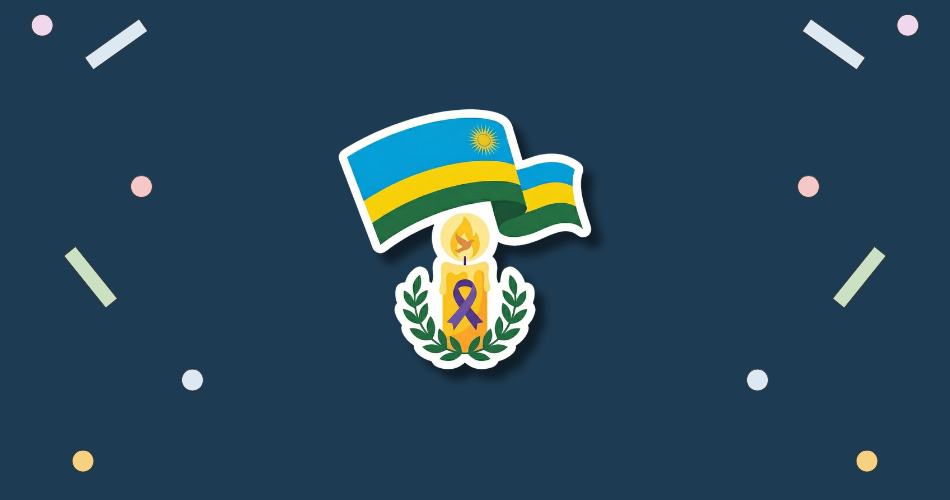
Read about Rwanda’s 1994 history from reliable educational or memorial sources, especially if the day is unfamiliar. Take time to understand the meaning of Kwibohora and why July 4 is so important in Rwanda’s national life. If attending a public event, ceremony, or diaspora gathering, approach it with respect for both its commemorative and patriotic meaning. The day is not a lighthearted celebration, even when it includes cultural programs, speeches, or community activities.
A thoughtful observance can also include listening to Rwandan voices, learning about survivor experiences, or studying Rwanda’s post-1994 recovery. Schools, community groups, and cultural organizations can use the day to discuss genocide prevention, reconciliation, and the responsibilities of citizenship. For people outside Rwanda, the most respectful approach is to avoid reducing the holiday to a simple independence-style celebration. It is a day to recognize liberation, remember the cost of violence, and reflect on the work of rebuilding a nation.
- Learn what Kwibohora means in Rwanda.
- Read a survivor-centered account of the 1994 genocide.
- Attend a respectful community or embassy event.
- Share accurate information without graphic sensationalism.
- Reflect on the importance of peace and civic responsibility.
Rwanda Liberation Day Dates
| Year | Date | Day of the week |
|---|---|---|
| 2026 | July 4 | Saturday |
| 2027 next | July 4 | Sunday |
| 2028 | July 4 | Tuesday |
| 2029 | July 4 | Wednesday |
| 2030 | July 4 | Thursday |