



Independence Day Cookouts
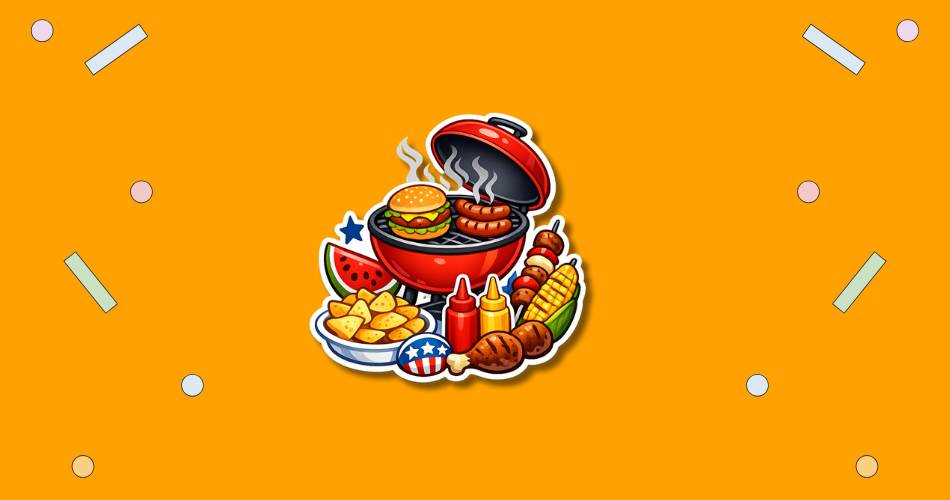
Independence Day Cookouts are enjoyed every year on July 4. In 2027, this date falls on a Sunday. They are part of the wider American Independence Day tradition, when families, neighbors, and communities gather for grilled food, outdoor meals, patriotic decorations, and evening fireworks. The cookout side of the holiday keeps the day relaxed and social, with burgers, hot dogs, barbecue, corn, salads, watermelon, and cold drinks often sharing space on the same table. It is a cheerful summer custom tied to a serious national anniversary: the adoption of the Declaration of Independence in 1776. 1 2
Contents
See also: America’s Kids Day, Flag Day, National Summersgiving Day, National Independent Beer Run Day, Made In The USA Day
HT Meter
Does this day matter to you?
Tap the meter if it does, and say whether you will be celebrating — that is what opens the wishes from everybody else who will be.
This day matters to me
0 Be the first to say so
Just getting started
0 Let others know you’re in.
Wishes, greetings and stories
Join the celebration to share a wish, a greeting, or how this day goes in your house.
These are kept for the people celebrating this day. Say you will be celebrating to read them and to add your own.
You have already shared something here recently.
Nothing here yet. Yours would be the first.
History of Independence Day Cookouts
Independence Day itself traces back to July 4, 1776, when the Continental Congress adopted the Declaration of Independence. Early public celebrations included readings of the Declaration, bells, music, parades, speeches, games, and fireworks. Over time, those public observances became mixed with home-based gatherings, especially as the holiday settled into a summer rhythm of travel, picnics, and outdoor meals. Cookouts grew naturally from that setting, using the warm weather and the long holiday weekend to turn the Fourth of July into both a patriotic observance and a shared meal.

Independence Day in the United States
The cookout tradition reflects a practical side of American celebration. Grilling outside keeps the kitchen cooler, makes it easier to feed a group, and gives guests a reason to linger in yards, parks, campgrounds, and picnic areas. The foods often associated with the day are simple and portable, which fits a holiday built around parades, fireworks, road trips, and neighborhood gatherings. Today, an Independence Day cookout can be casual or carefully planned, but its familiar purpose is the same: food, company, and a pause for the country’s founding story.
Why is Independence Day Cookouts important?
Independence Day Cookouts matter because they make a national holiday feel personal and local. Not everyone attends a formal ceremony or studies the full history of the Declaration on July 4, but many people connect with the day through a shared table. A cookout gives families and friends a place to talk, welcome guests, include children, and enjoy summer foods that are easy to serve outdoors. It turns a historic anniversary into something people can experience at home, on the block, or in a public park.
The tradition also shows how civic holidays are shaped by everyday habits. Fireworks and parades may be the most visible symbols of the Fourth, but the cookout is often where the day slows down. It leaves room for conversations about family history, military service, citizenship, freedom, and the responsibilities that come with national ideals. Good food safety also matters, because warm weather, raw meat, coolers, and long serving times require care so the day stays enjoyable for everyone.
- It gives families a familiar way to gather on July 4.
- Outdoor meals make the holiday feel relaxed and welcoming.
- Cookouts connect national history with neighborhood life.
- Shared food helps include guests of different ages.
- Safe grilling keeps the celebration comfortable and healthy.
How to Celebrate Independence Day Cookouts
Make it yours
How would you like to spend Independence Day Cookouts?
Tick what fits you, and we will put together ideas made for this day — not for any day.
Independence Day
Plan a menu that fits the weather, the guest list, and the space available. Grilled burgers, hot dogs, chicken, ribs, vegetables, corn on the cob, potato salad, fruit, lemonade, and simple desserts all work well for a Fourth of July table. Keep raw meat separate from cooked food, use clean platters, and check grilled items with a food thermometer instead of guessing by color. Perishable dishes should stay cold, and hot foods should stay hot if they will sit out for more than a short serving window.
Add a few thoughtful touches without making the cookout complicated. Put out water and shade, set up lawn games, choose music that does not overwhelm conversation, and make sure children and pets are away from grills and fireworks. A short reading, toast, flag display, or visit to a local parade can connect the meal back to the meaning of Independence Day. For a community-minded cookout, invite a neighbor, share extra food with someone who might be alone, or support a local veterans’ group or civic event.
- Use separate utensils for raw and cooked meats.
- Keep cold salads on ice during outdoor serving.
- Offer grilled vegetables for guests who skip meat.
- Set up seating away from grill smoke.
- Clean the yard or picnic area before leaving.
Independence Day Cookouts Dates
| Year | Date | Day of the week |
|---|---|---|
| 2026 | July 4 | Saturday |
| 2027 next | July 4 | Sunday |
| 2028 | July 4 | Tuesday |
| 2029 | July 4 | Wednesday |
| 2030 | July 4 | Thursday |