


Filipino-American Friendship Day
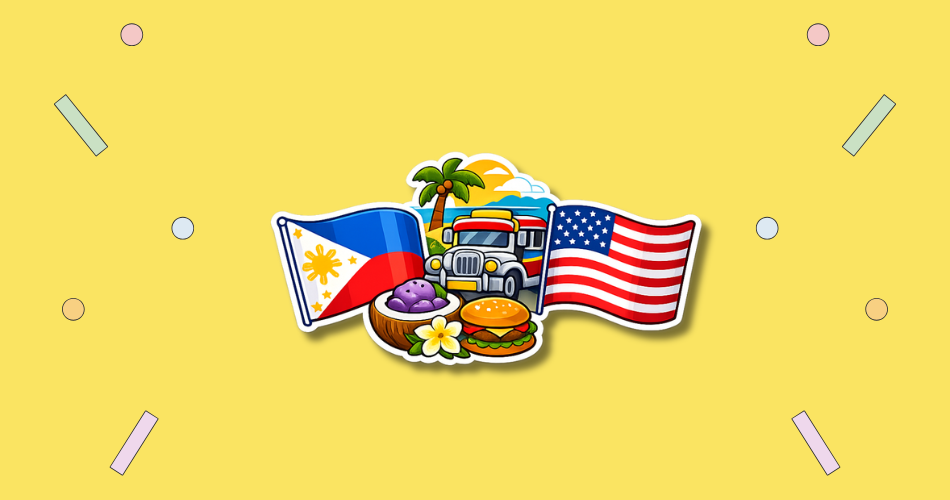
Filipino-American Friendship Day is observed every year on July 4. In 2027, this date falls on a Sunday. The day marks the historical relationship between the Philippines and the United States, especially the events of July 4, 1946, when Philippine independence was formally recognized by the United States. It is also connected with Philippine Republic Day and with the continuing cultural, family, educational, military, and civic ties between Filipinos and Americans. The tone of the day is friendly and reflective, because it recognizes partnership while also pointing to a layered history shaped by colonial rule, war, independence, migration, and shared community life.
Contents
See also: Philippine Republic Day, Philippine Air Force Day, Philippine-Spanish Friendship Day, First Philippine Republic Day, Philippines Independence Day
HT Meter
Does this day matter to you?
Say that it does, and say whether you will be marking it. Both are anonymous to nobody but kind to everybody.
This day matters to me
1 person feels the same
Quietly remembered
0 Nobody has said so yet
Notes of remembrance
Join those marking this day to share a word, a memory, or the reason it matters to you.
These notes are kept for the people marking this day. Say you will be marking it to read them and to leave your own.
You have already shared a note here recently.
No notes yet. Yours would be the first.
History of Filipino-American Friendship Day
The date goes back to July 4, 1946, when the Treaty of General Relations between the United States and the Republic of the Philippines was signed in Manila. The treaty recognized the independence of the Republic of the Philippines and ended American sovereignty over the islands, while also addressing diplomatic relations and other matters between the two governments. On the same date, the United States formally recognized the Philippines as a separate, self-governing nation. For many years, July 4 was tied to the Philippines’ postwar independence and the creation of the Third Philippine Republic.

Philippine Republic Day
The observance later became associated less with national independence and more with friendship between the two countries, especially after Philippine Independence Day came to be observed on June 12. Today, Filipino-American Friendship Day is understood as a cultural and historical observance rather than a simple patriotic celebration. It gives space to remember a major diplomatic milestone while also acknowledging the Filipino-American experience in families, neighborhoods, schools, veterans’ groups, and civic organizations. The day is often most meaningful when it is approached with both gratitude and historical honesty.
Why is Filipino-American Friendship Day important?
Filipino-American Friendship Day matters because the relationship between the Philippines and the United States has shaped millions of lives. It touches immigration stories, military service, education, labor, language, food, faith communities, and family connections across the Pacific. For Filipino Americans, the day can be a way to recognize heritage and the long history behind today’s communities. For others, it offers a starting point for learning about Philippine history beyond the most familiar dates and headlines.
The day also helps explain why July 4 has more than one meaning in this shared history. In the United States, it is Independence Day; in the Philippine context, it recalls the formal recognition of Philippine independence in 1946 and the later idea of Philippine-American friendship. That overlap can be meaningful, but it can also be complicated. A thoughtful observance leaves room for pride, remembrance, and discussion about sovereignty, partnership, and the experiences of people whose lives connect both countries.
- It recognizes a major moment in Philippine history.
- It honors ties between Filipino and American communities.
- It invites honest conversations about independence and colonial history.
- It gives Filipino Americans a heritage date to share with others.
- It connects civic history with family and community stories.
How to Observe Filipino-American Friendship Day
Make it yours
How would you like to spend Filipino-American Friendship Day?
Tick what fits you, and we will put together ideas made for this day — not for any day.
Filipino-Chinese Friendship Day
Read about the Treaty of Manila, the postwar independence of the Philippines, or the history of Filipino migration to the United States. A family meal can also become part of the observance, especially when paired with stories from parents, grandparents, veterans, immigrants, or community elders. Schools, libraries, and cultural groups can use the day to highlight Filipino-American books, oral histories, films, and local community leaders. The best observances keep the focus specific rather than treating the day as only a general friendship theme.
Community events can include flag ceremonies, history talks, cultural performances, veterans’ remembrances, or exhibits about Filipino-American life. For a quieter observance, look up the history of July 4, 1946, and compare it with June 12, the current Philippine Independence Day. Filipino-American Friendship Day can also be a good time to support Filipino-owned businesses, learn a few words in a Philippine language, or cook a dish connected with family memory. The day works best when it balances celebration with learning.
- Read a short history of July 4, 1946.
- Ask a family member about migration or community memories.
- Share Filipino food with friends or neighbors.
- Visit a Filipino-American cultural event or exhibit.
- Learn about Filipino veterans and their service history.
Filipino-American Friendship Day Dates
| Year | Date | Day of the week |
|---|---|---|
| 2026 | July 4 | Saturday |
| 2027 next | July 4 | Sunday |
| 2028 | July 4 | Tuesday |
| 2029 | July 4 | Wednesday |
| 2030 | July 4 | Thursday |