



National Hillbilly Day
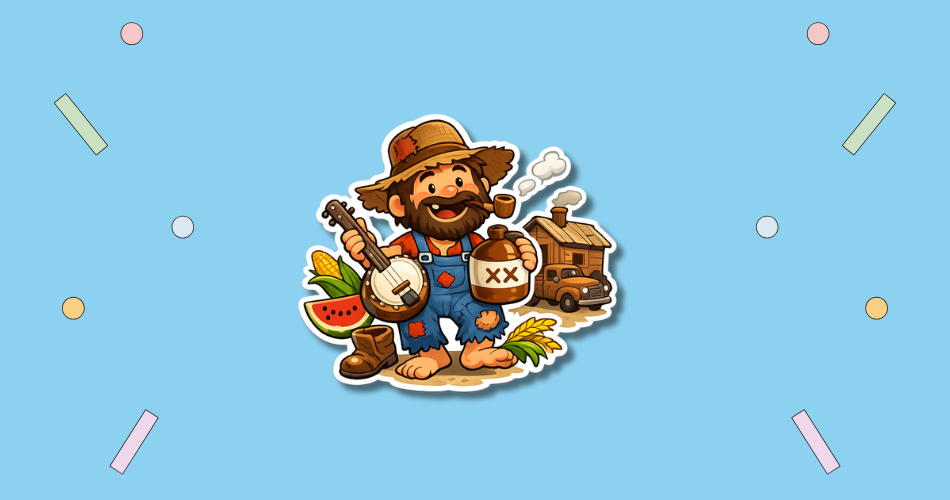
National Hillbilly Day is observed every year on July 4. In 2027, this date falls on a Sunday. The day focuses on rural mountain culture in the United States, especially the traditions associated with Appalachia and other country communities. It is a lighthearted cultural observance, but the best approach is respectful rather than mocking. The word “hillbilly” has been used both as an insult and as a self-chosen identity, so the day works best when it points toward music, craft, humor, family, independence, and pride in place.
Contents
See also: National West Virginia Day, Statehood Day in Kentucky, National Kentucky Day
HT Meter
Does this day matter to you?
Tap the meter if it does, and say whether you will be celebrating — that is what opens the wishes from everybody else who will be.
This day matters to me
0 Be the first to say so
Just getting started
0 Let others know you’re in.
Wishes, greetings and stories
Join the celebration to share a wish, a greeting, or how this day goes in your house.
These are kept for the people celebrating this day. Say you will be celebrating to read them and to add your own.
You have already shared something here recently.
Nothing here yet. Yours would be the first.
History of National Hillbilly Day
The modern observance is commonly connected with a 1971 festival in Bentonville, Arkansas, where the theme was used to raise money for the town’s first library. The day is also tied in holiday histories to the broader popularity of “hillbilly” entertainment in American radio, television, music, and festival culture. The word itself has a complicated background and has long been associated with rural mountain people, especially in Appalachia and the Ozarks. Because the term can carry stereotypes, any history of the day needs to separate real regional culture from exaggerated caricature.

American Redneck Day
The subject behind the day is much older than the observance. Appalachian and rural Southern communities have shaped American music, storytelling, foodways, craft traditions, and ideas about self-reliance. Old-time string music, bluegrass, quilting, small farming, hunting, fishing, front-porch gatherings, and family reunions all belong to a wider cultural landscape that cannot be reduced to a joke. Today, National Hillbilly Day is best understood as a casual July 4 observance that invites people to appreciate rural heritage while avoiding lazy stereotypes.
Why is National Hillbilly Day important?
National Hillbilly Day matters because it gives people a reason to look more carefully at communities that are often misunderstood. Rural mountain life has often been presented through comic images, poverty clichés, and oversimplified stories. A more respectful view recognizes practical skills, strong family networks, local music, regional speech, and the pride many people feel in where they come from. The day can be cheerful without turning real people into costumes.
The observance also fits naturally with July 4 because both days touch on independence, resourcefulness, and local identity. For many families, rural traditions are passed down through everyday habits rather than formal lessons: cooking from scratch, repairing what breaks, playing music by ear, tending a garden, or helping neighbors after a storm. Paying attention to those traditions helps preserve regional memory. It also reminds people that American culture is made from many local ways of living, not just the customs of cities and suburbs.
- It puts attention on rural American heritage.
- It challenges one-note stereotypes about mountain communities.
- It gives families a reason to share local stories.
- It honors practical skills and self-reliance.
- It connects music, food, humor, and place.
How to Celebrate National Hillbilly Day
Make it yours
How would you like to spend National Hillbilly Day?
Tick what fits you, and we will put together ideas made for this day — not for any day.
National West Virginia Day
Play old-time, bluegrass, country, or roots music during a July 4 cookout, and make room for the stories behind the songs. Serve simple country food such as cornbread, beans, barbecue, garden vegetables, cobbler, or family recipes with a local connection. A small gathering can include porch music, horseshoes, fishing, a quilt display, a craft table, or a conversation about family history. Keep the tone friendly and grounded, not costume-party cruel.
Use the day to learn something real about Appalachia, the Ozarks, or rural communities near home. Read regional writers, listen to oral histories, visit a local history museum, or support musicians and craftspeople who keep traditional skills alive. Parents can ask older relatives about childhood chores, recipes, sayings, church gatherings, schoolhouses, or summer work. A respectful celebration should leave people knowing more than a stereotype.
- Listen to a bluegrass or old-time music playlist.
- Cook a family recipe from a rural tradition.
- Ask an older relative about local history.
- Visit a small-town festival or craft fair.
- Learn one Appalachian song, story, or saying.
National Hillbilly Day Dates
| Year | Date | Day of the week |
|---|---|---|
| 2026 | July 4 | Saturday |
| 2027 next | July 4 | Sunday |
| 2028 | July 4 | Tuesday |
| 2029 | July 4 | Wednesday |
| 2030 | July 4 | Thursday |