
Congo Independence Day
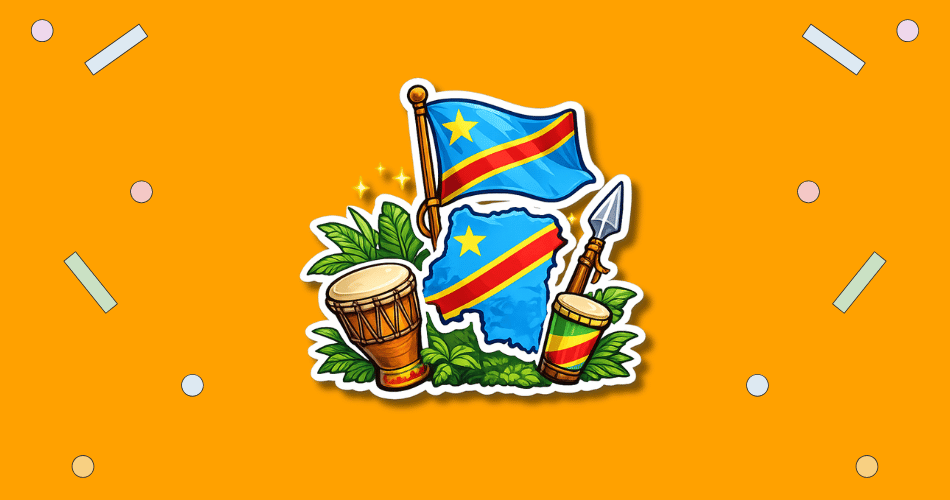
Congo Independence Day is observed every year on June 30. In 2027, this date falls on a Wednesday. The day marks the Democratic Republic of the Congo’s independence from Belgium in 1960 and is recognized as a national public holiday. It is a day for honoring sovereignty, remembering the struggle against colonial rule, and recognizing the country’s modern national identity. Public ceremonies, cultural programs, music, family gatherings, and reflection on Congolese history are all connected with the date.
Contents
See also: Liberation Day in DR Congo, Republic Day in the Republic of the Congo
HT Meter
Does this day matter to you?
Tap the meter if it does, and say whether you will be celebrating — that is what opens the wishes from everybody else who will be.
This day matters to me
0 Be the first to say so
Just getting started
0 Let others know you’re in.
Wishes, greetings and stories
Join the celebration to share a wish, a greeting, or how this day goes in your house.
These are kept for the people celebrating this day. Say you will be celebrating to read them and to add your own.
You have already shared something here recently.
Nothing here yet. Yours would be the first.
History of Congo Independence Day
The Democratic Republic of the Congo was once the Belgian Congo, after earlier decades under King Leopold II’s personal Congo Free State and then Belgian state control. Independence came on June 30, 1960, after a period of rising nationalist pressure and rapid political change. In the months before independence, Congolese voters chose national leaders and legislative bodies, with Joseph Kasavubu becoming president and Patrice Lumumba becoming prime minister. The new country entered independence with great hope, but also with severe political, military, and regional pressures.
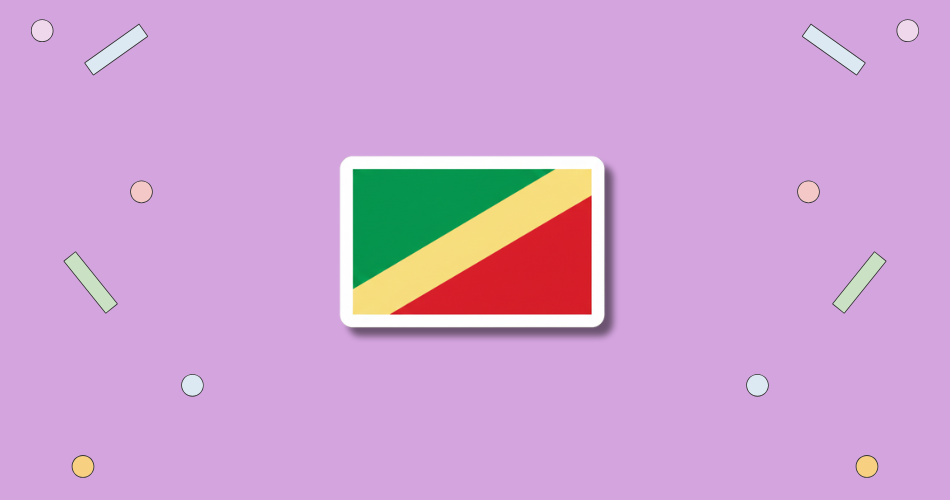
Republic Day in the Republic of the Congo
The years after independence were unstable, and Congo’s early national story became closely tied to the Cold War, secession movements, foreign involvement, and the assassination of Patrice Lumumba in 1961. Even with that difficult history, June 30 remains the foundational date of the modern Democratic Republic of the Congo. It is also important to distinguish this holiday from the Republic of the Congo’s Independence Day, which belongs to the neighboring country with its capital in Brazzaville. Congo Independence Day on June 30 refers to the Democratic Republic of the Congo, often called DR Congo or Congo-Kinshasa.
Why is Congo Independence Day important?
Congo Independence Day matters because it marks the formal end of Belgian colonial rule and the beginning of Congolese self-government. For Congolese citizens, it is tied to national identity, political memory, and the long effort to define the country’s future on its own terms. The date also carries the memory of those who pushed for independence, including leaders, organizers, workers, students, and ordinary citizens whose actions helped make self-rule unavoidable. It is both a national holiday and a historical marker.
The day also invites a wider look at Central African history and the effects of colonialism. The Democratic Republic of the Congo is one of Africa’s largest countries, with enormous cultural, linguistic, natural, and economic significance. Its independence story is not only a national story, but also part of the broader wave of African decolonization in the mid-20th century. Remembering the date helps place Congolese history within a larger global conversation about sovereignty, justice, and the lasting consequences of colonial rule.
- It honors the country’s independence from Belgium.
- It keeps Congolese history visible for younger generations.
- It recognizes the meaning of national self-rule.
- It connects citizens and diaspora communities to a shared date.
- It encourages thoughtful learning about Central Africa.
How to Celebrate Congo Independence Day
Make it yours
How would you like to spend Congo Independence Day?
Tick what fits you, and we will put together ideas made for this day — not for any day.
Liberation Day in DR Congo
Learn the history behind June 30 before treating the day only as a patriotic holiday. Read about the independence period, the roles of Patrice Lumumba and Joseph Kasavubu, and the challenges the country faced soon after 1960. Listen to Congolese music, especially rumba and soukous, which are closely associated with Congolese cultural life. Families and communities may also share Congolese foods, display the national flag, or attend local events organized by Congolese associations.
A respectful celebration also leaves room for reflection. Congo Independence Day is connected with pride, but it also sits beside a complicated history of colonial violence, political crisis, and national resilience. For people outside the Democratic Republic of the Congo, the day can be a chance to learn without reducing the country to hardship alone. Congolese art, language, food, music, faith, literature, and community life all offer fuller ways to understand the country beyond headlines.
- Read a short history of Congo’s independence.
- Listen to Congolese rumba or soukous.
- Learn the difference between the two Congo countries.
- Cook a Congolese dish with family or friends.
- Support a Congolese cultural event or business.
Congo Independence Day Dates
| Year | Date | Day of the week |
|---|---|---|
| 2026 | June 30 | Tuesday |
| 2027 next | June 30 | Wednesday |
| 2028 | June 30 | Friday |
| 2029 | June 30 | Saturday |
| 2030 | June 30 | Sunday |