


Burundi Independence Day

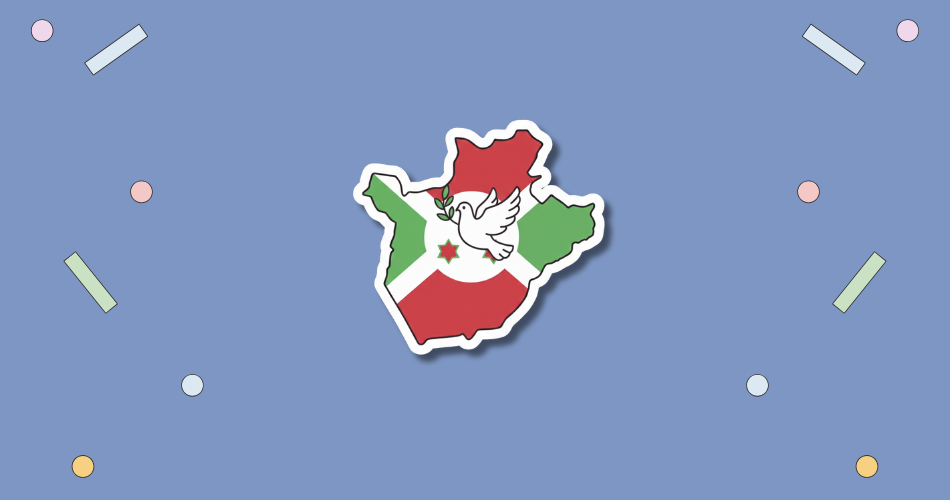
Burundi Independence Day is observed every year on July 1. In 2027, this date falls on a Thursday. The day marks Burundi’s independence in 1962, when the country emerged as a sovereign state after the end of Belgian trusteeship over Ruanda-Urundi. It is a national public holiday in Burundi and a date for civic reflection, patriotic ceremonies, and attention to the country’s history. The observance connects independence with national identity, remembrance of the independence struggle, and hopes for peace and development.
Contents
See also: Uganda Martyrs Day, Congo Independence Day, Togo Independence Day
HT Meter
Does this day matter to you?
Say that it does, and say whether you will be marking it. Both are anonymous to nobody but kind to everybody.
This day matters to me
0 Be the first to say so
Quietly remembered
0 Nobody has said so yet
Notes of remembrance
Join those marking this day to share a word, a memory, or the reason it matters to you.
These notes are kept for the people marking this day. Say you will be marking it to read them and to leave your own.
You have already shared a note here recently.
No notes yet. Yours would be the first.
History of Burundi Independence Day
Before independence, Burundi was part of the wider Ruanda-Urundi territory, which had been administered by Belgium under international mandate and trusteeship arrangements. In 1962, the United Nations moved to end the trusteeship, and Rwanda and Burundi became separate independent and sovereign states on July 1. Burundi’s formal independence was recognized that same day, and the country began its independent life as the Kingdom of Burundi under Mwami Mwambutsa IV. The date remains central because it marks the legal and political break from Belgian administration.

Rwanda Independence Day
Burundi’s independence story is also tied to the country’s difficult modern history. The decades after 1962 included political instability, changes in government, ethnic violence, and civil conflict, so Independence Day carries a weight beyond ordinary national ceremony. It honors the end of colonial rule while also inviting reflection on unity, reconciliation, and the responsibilities of self-government. Today, the day is understood as Burundi’s national day and as a marker of sovereignty, memory, and civic pride.
Why is Burundi Independence Day important?
Burundi Independence Day is important because it marks the moment when Burundi became responsible for its own political future. For Burundians, July 1 is connected with the right to self-determination, the raising of national symbols, and the recognition of the country as a sovereign state. It gives the public a yearly point of reference for looking back at the independence era and the people who worked toward national freedom. The holiday also helps younger generations understand why independence remains a defining part of Burundi’s national story.
The day matters beyond ceremony because independence did not end Burundi’s challenges. A national holiday can hold pride and grief at the same time, especially in a country whose post-independence years included conflict and loss. Observing the day with care allows people to connect patriotism with peacebuilding, public service, and respect for shared history. It is a date that can support national unity when it is approached with honesty, dignity, and responsibility.
- It marks Burundi’s sovereignty and national identity.
- It connects citizens with the country’s independence history.
- It honors the end of Belgian trusteeship.
- It supports reflection on peace and unity.
- It helps younger people learn national history.
How to Observe Burundi Independence Day
Make it yours
How would you like to spend Burundi Independence Day?
Tick what fits you, and we will put together ideas made for this day — not for any day.

Republic Day in Burundi
Learn the basic timeline of Burundi’s independence before the holiday arrives. Read about Ruanda-Urundi, the end of Belgian trusteeship, and the events of July 1, 1962. Burundian families and communities may mark the day with national colors, public ceremonies, cultural events, music, or gatherings that recognize the country’s heritage. Outside Burundi, members of the diaspora may use the date to stay connected with language, food, music, and family history.
A thoughtful observance also includes space for reflection. Independence Day can be used to discuss what sovereignty means in daily life, from education and public service to civic participation and peaceful community relationships. Teachers, parents, and community leaders can frame the holiday as both a historic anniversary and a responsibility to protect the common good. The most respectful approach keeps the focus on Burundi’s people, its history, and its ongoing hopes for stability and development.
- Read a short history of Burundi’s independence.
- Display the Burundian flag respectfully.
- Listen to Burundian music or drumming.
- Talk with family about national history.
- Support a Burundian cultural or community event.
Burundi Independence Day Dates
| Year | Date | Day of the week |
|---|---|---|
| 2026 | July 1 | Wednesday |
| 2027 next | July 1 | Thursday |
| 2028 | July 1 | Saturday |
| 2029 | July 1 | Sunday |
| 2030 | July 1 | Monday |